You’ve Never Seen Food Like Alex Paganelli Captures It
Somewhere between photography, filmmaking and food styling, Alex Paganelli creates images that blur the line between reality and illusion. Working under the name DeadHungry, the chef-turned-creative has built a distinctive visual language that brings food into the worlds of fashion, art and a little bit of the surreal.
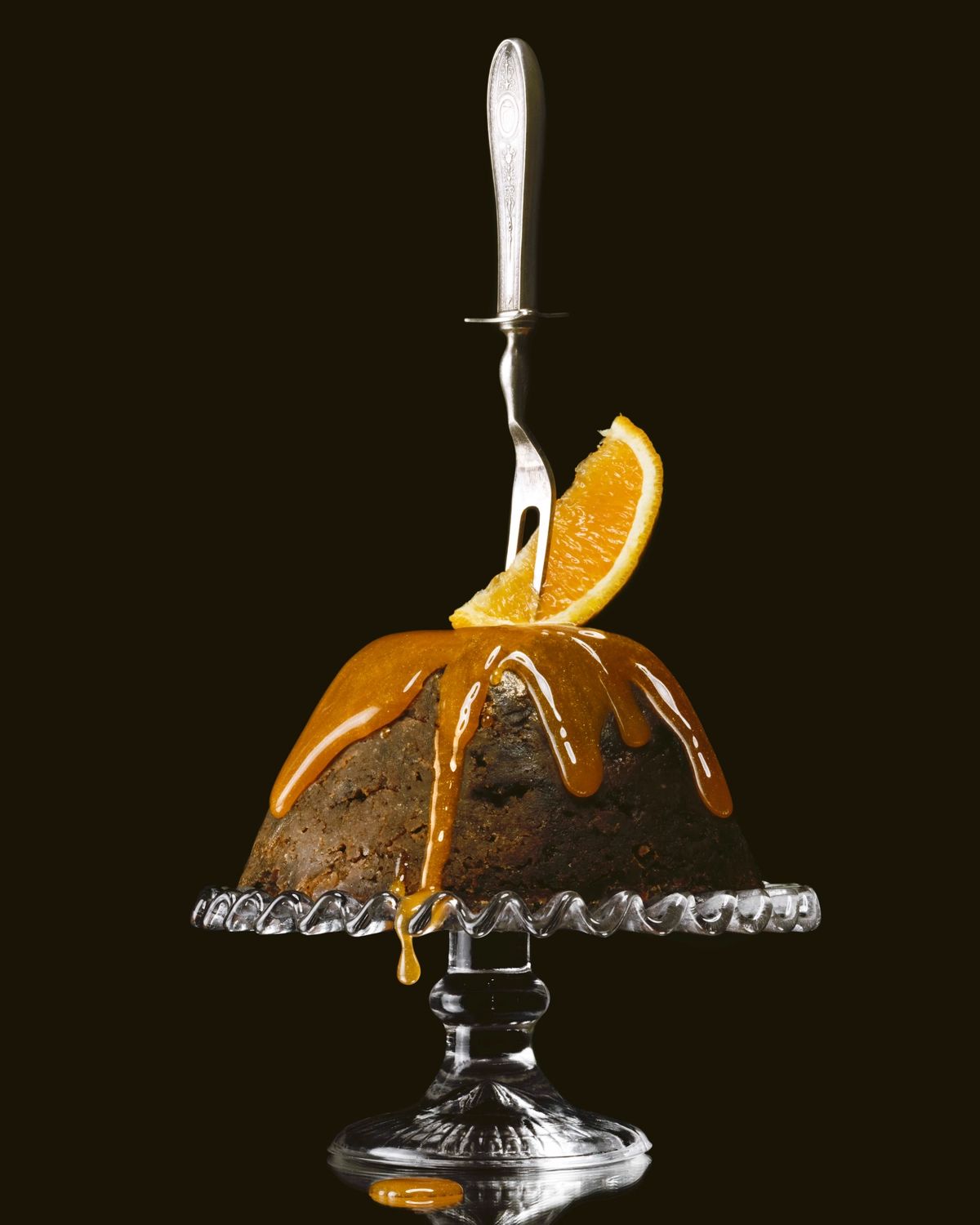
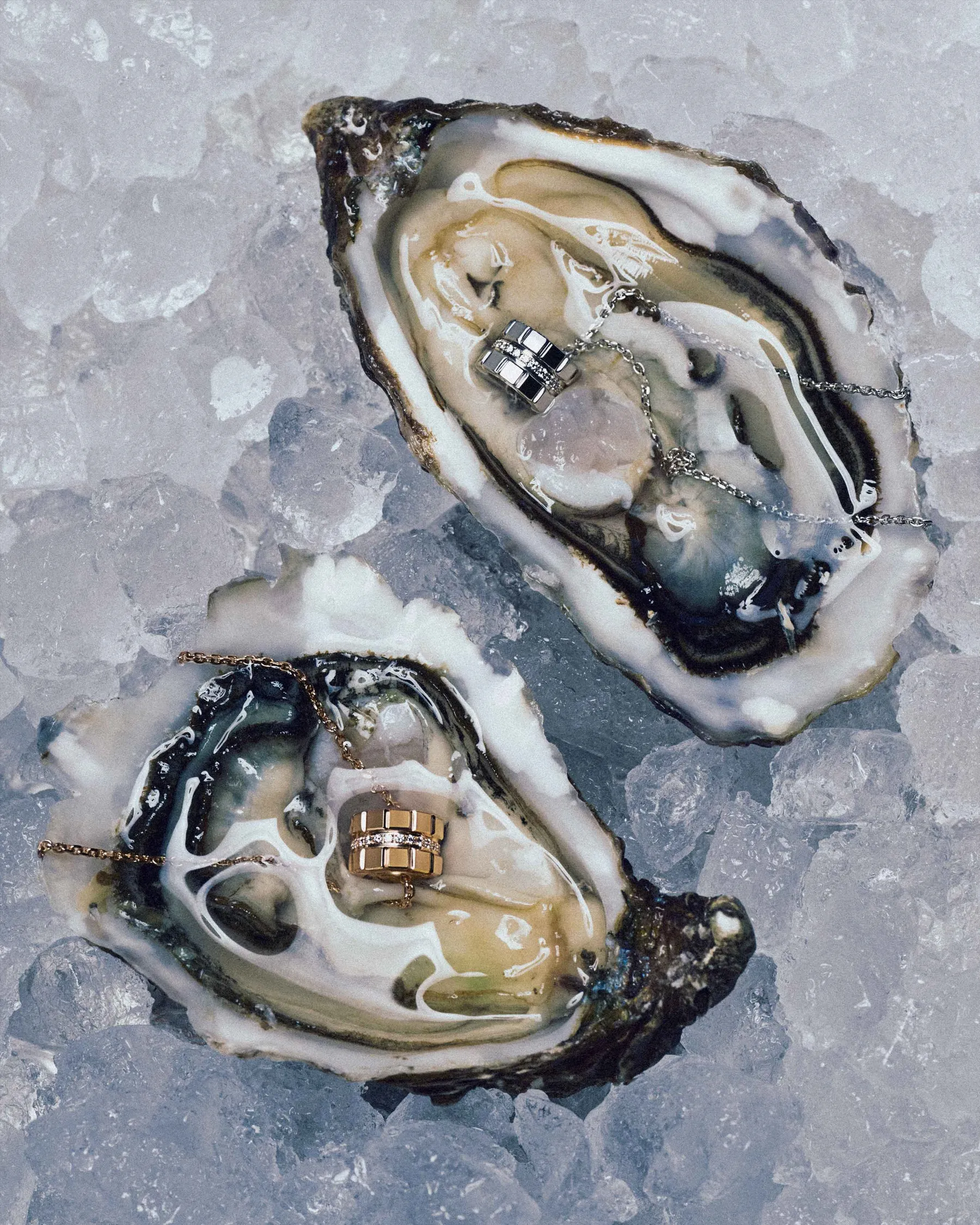
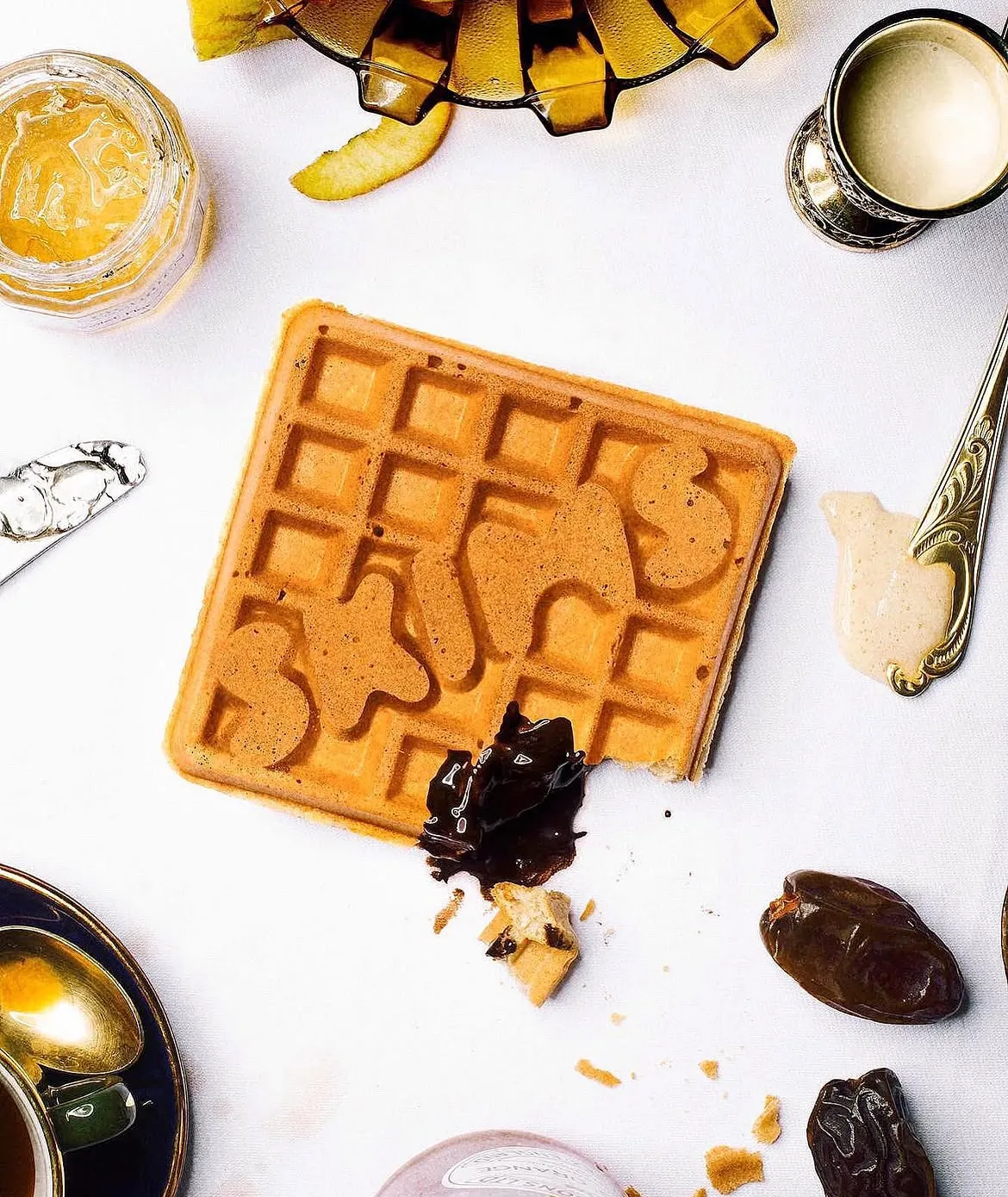
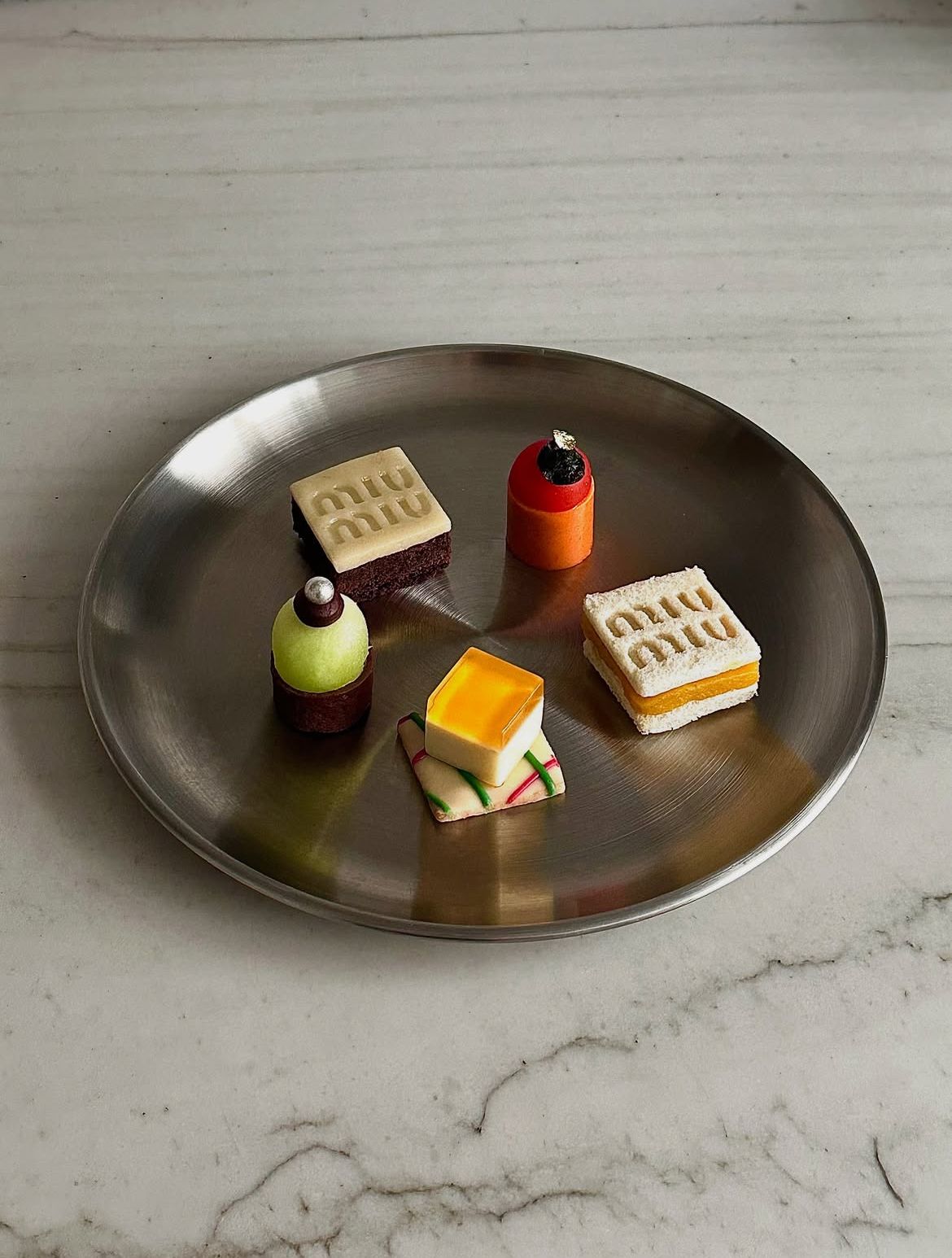
A handbag made of jelly. Waffles stamped with a fashion logo. Food that looks almost too strange to eat, yet impossible to ignore. In the hands of Paganelli, familiar ingredients become something else entirely, caught somewhere between an edible still life and a particularly good dream.
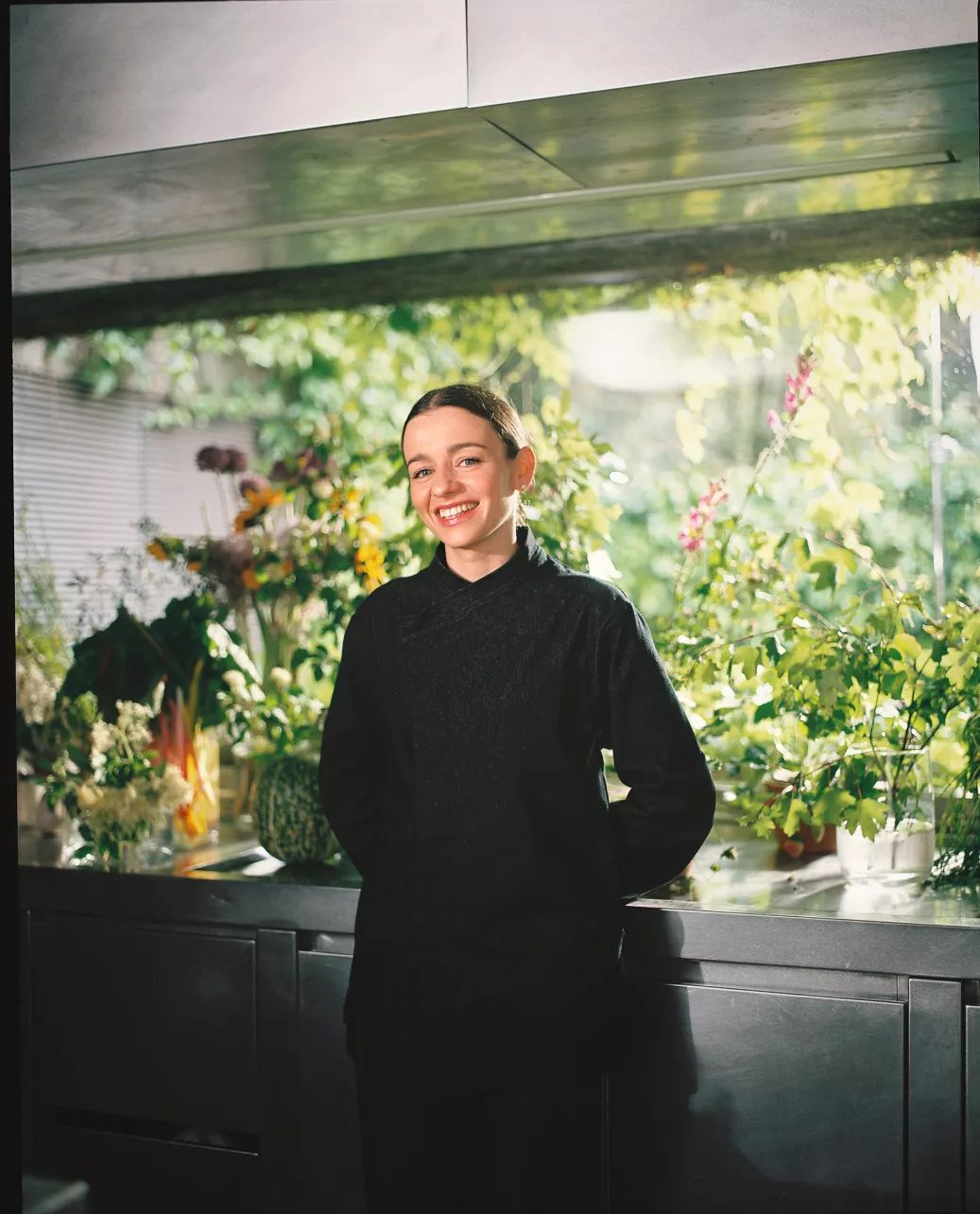
His route into image-making was not exactly conventional. After growing up in the French Alps, with Italian and British family influences, he moved to London at 18 and began working in restaurants. Cooking came first; photography followed almost by accident. He initially took pictures to showcase his culinary work, eventually discovering that the visual side of food offered a creative territory of its own. In 2015, he founded DeadHungry, a studio and creative practice that brings those interests together.
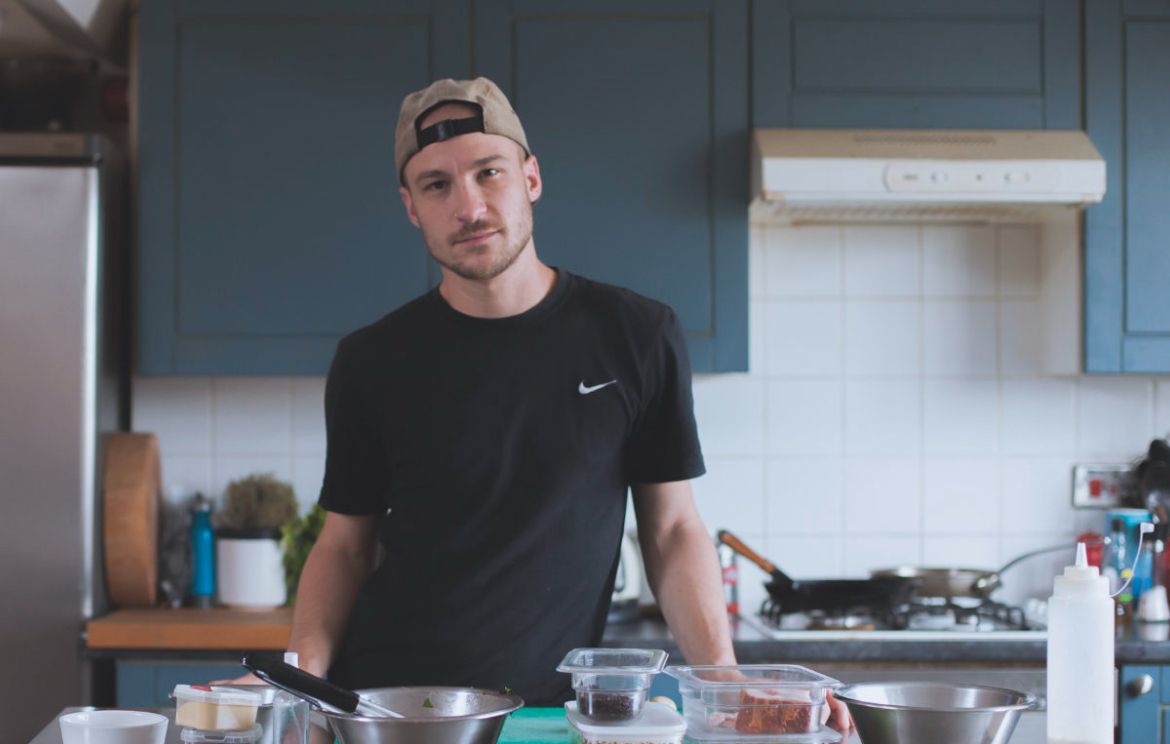
Food, with a twist
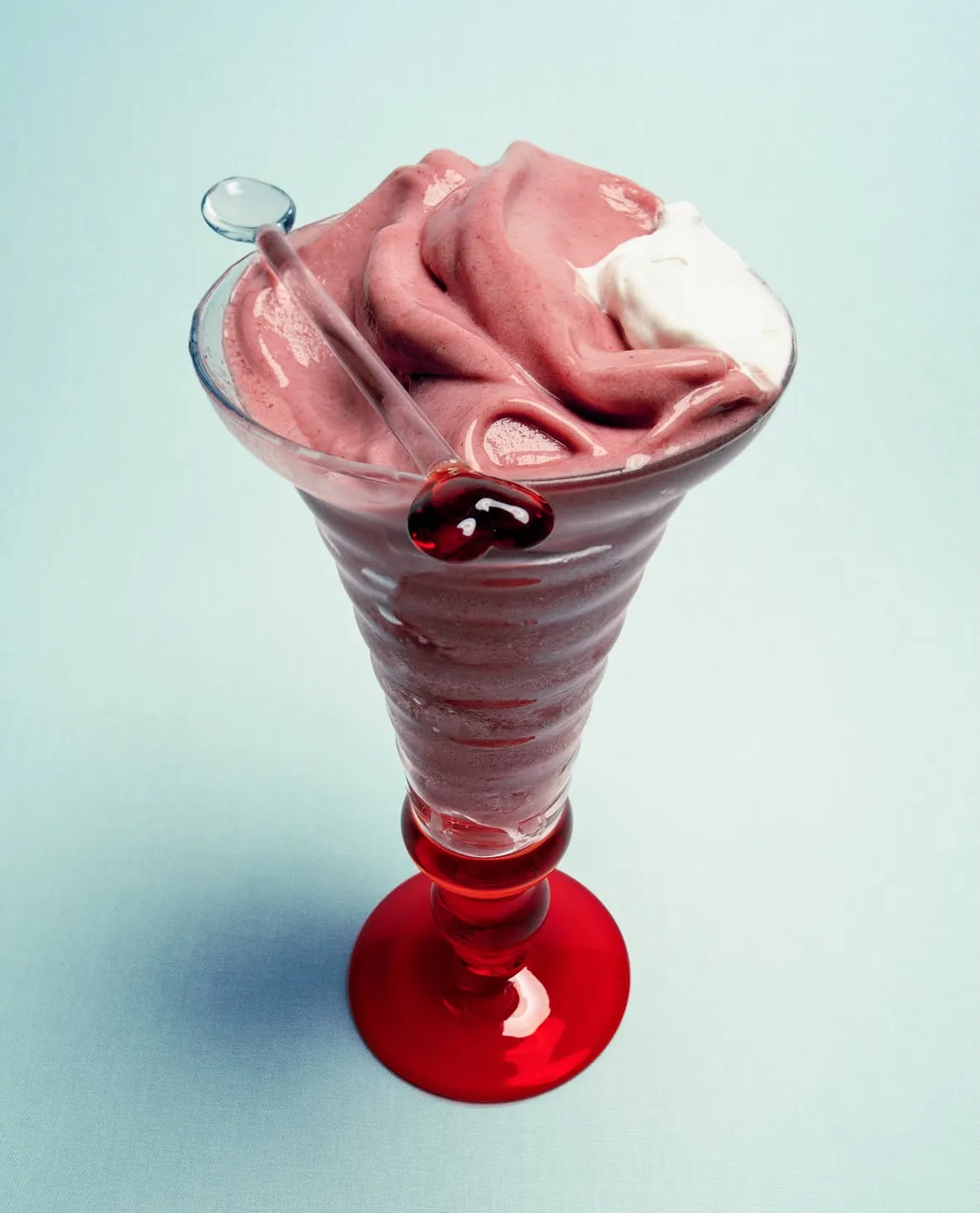
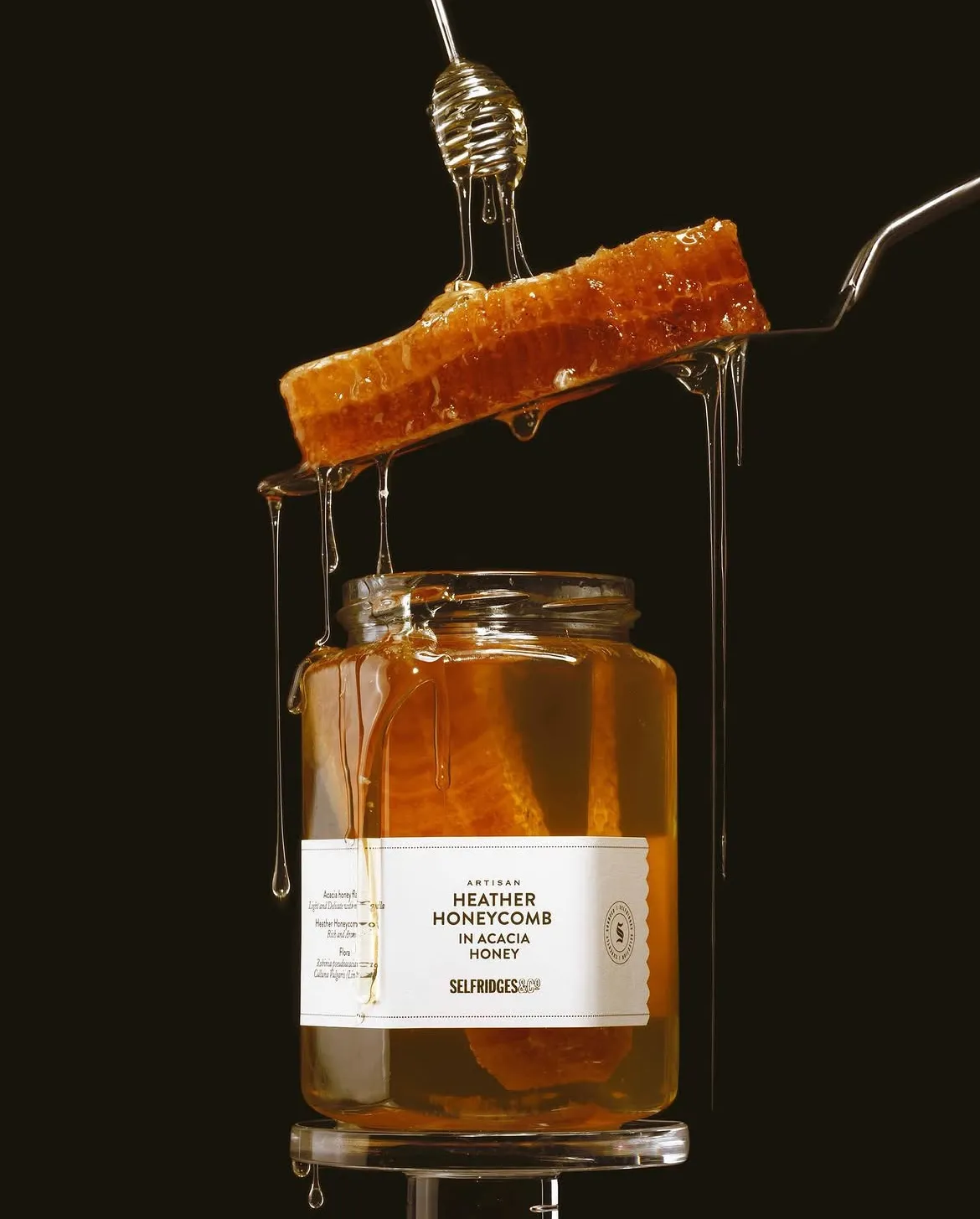
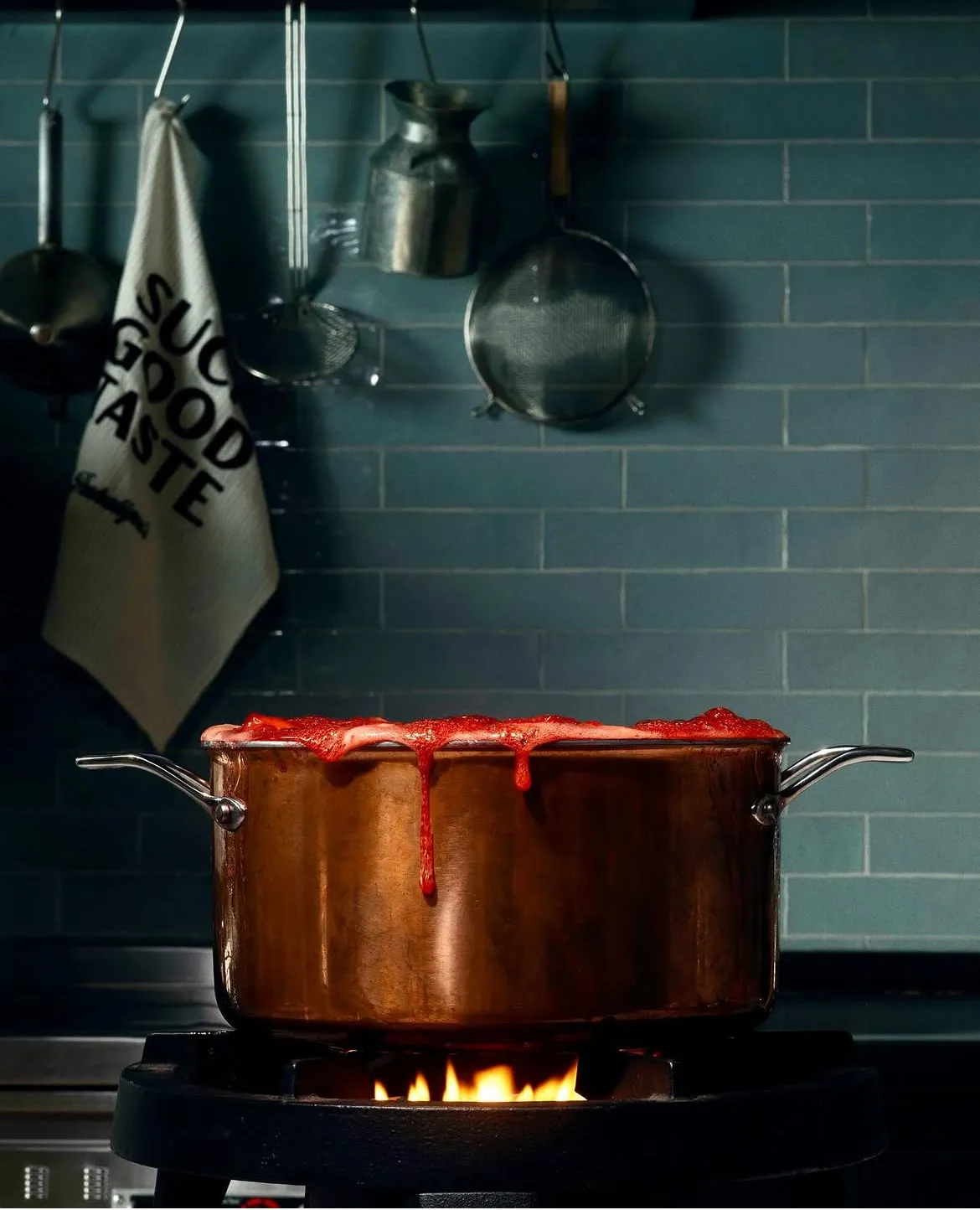
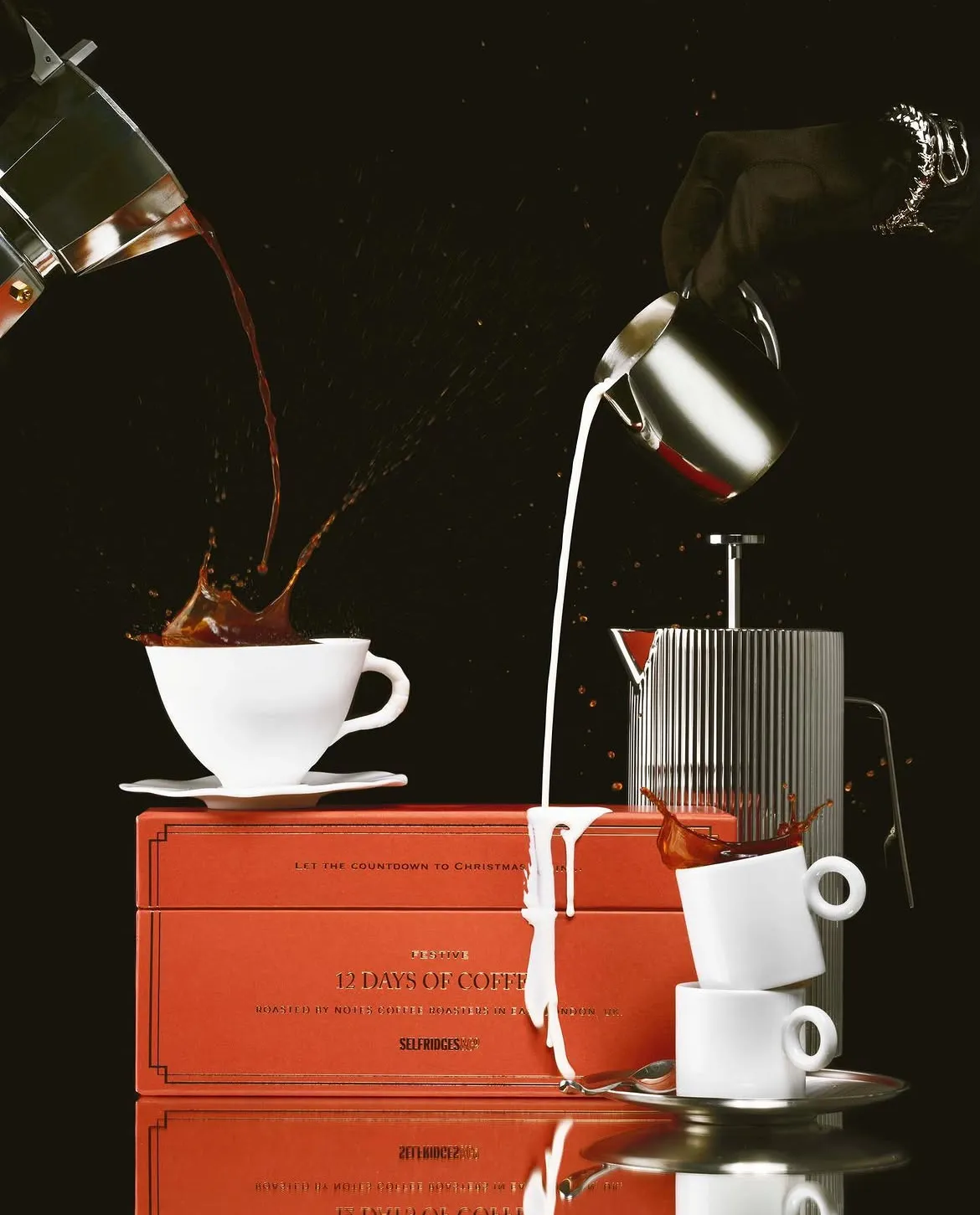
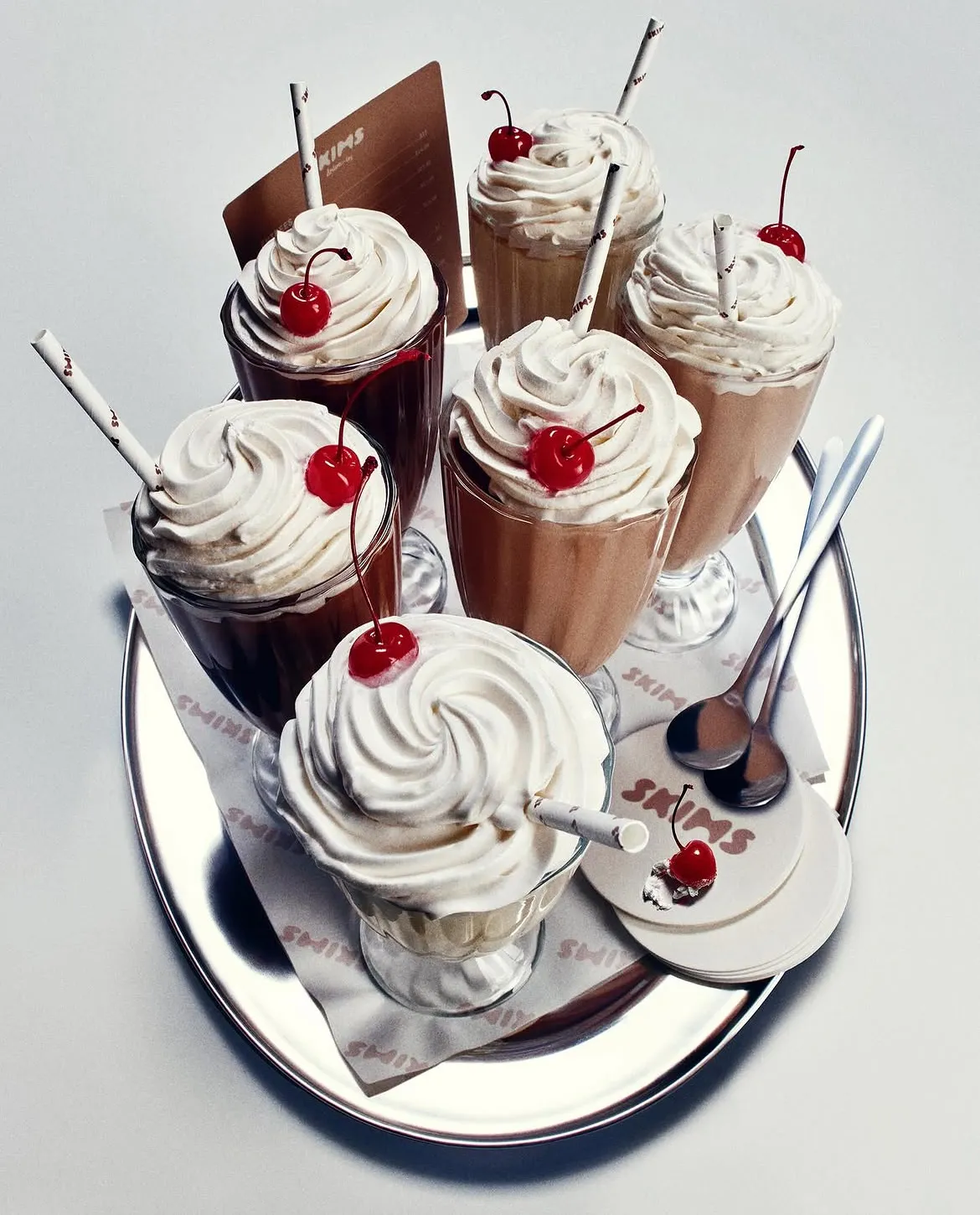
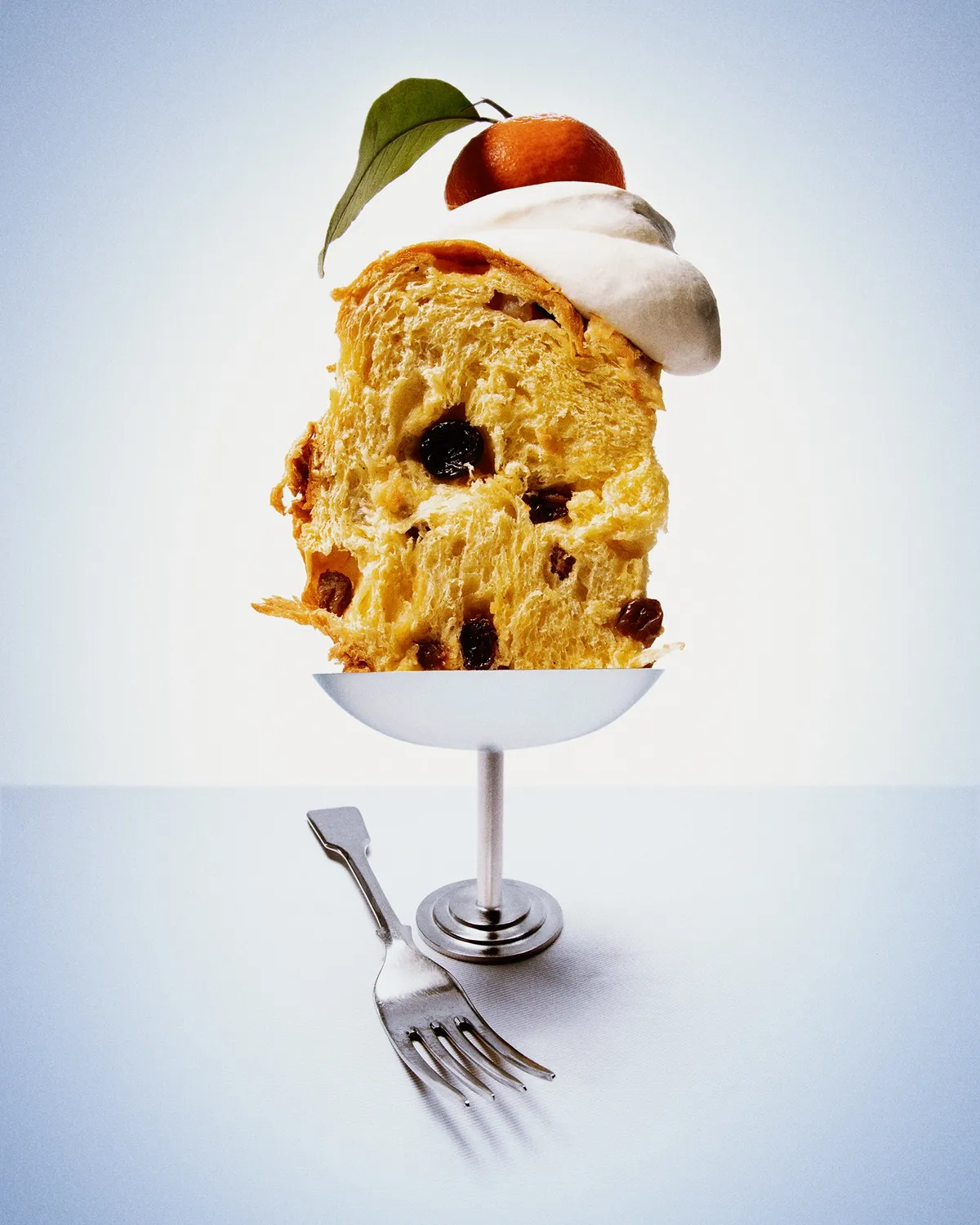
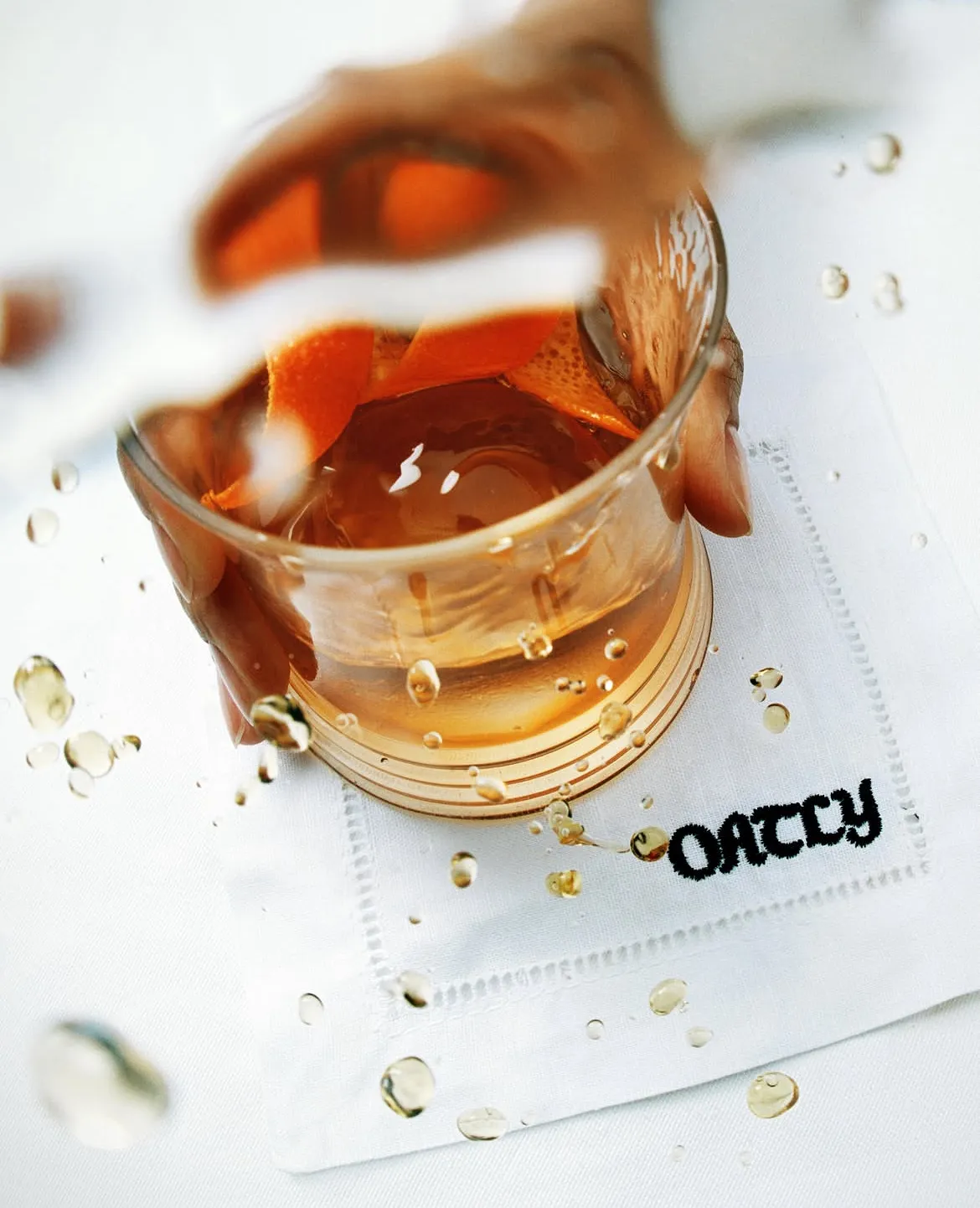
What makes Paganelli’s work so recognisable is his refusal to treat food photography as simply a matter of making a dish look appetising. He is interested in texture, colour, strange details and the unexpected possibilities of ordinary things. His references often come closer to fashion photography and contemporary still life than to traditional culinary imagery.
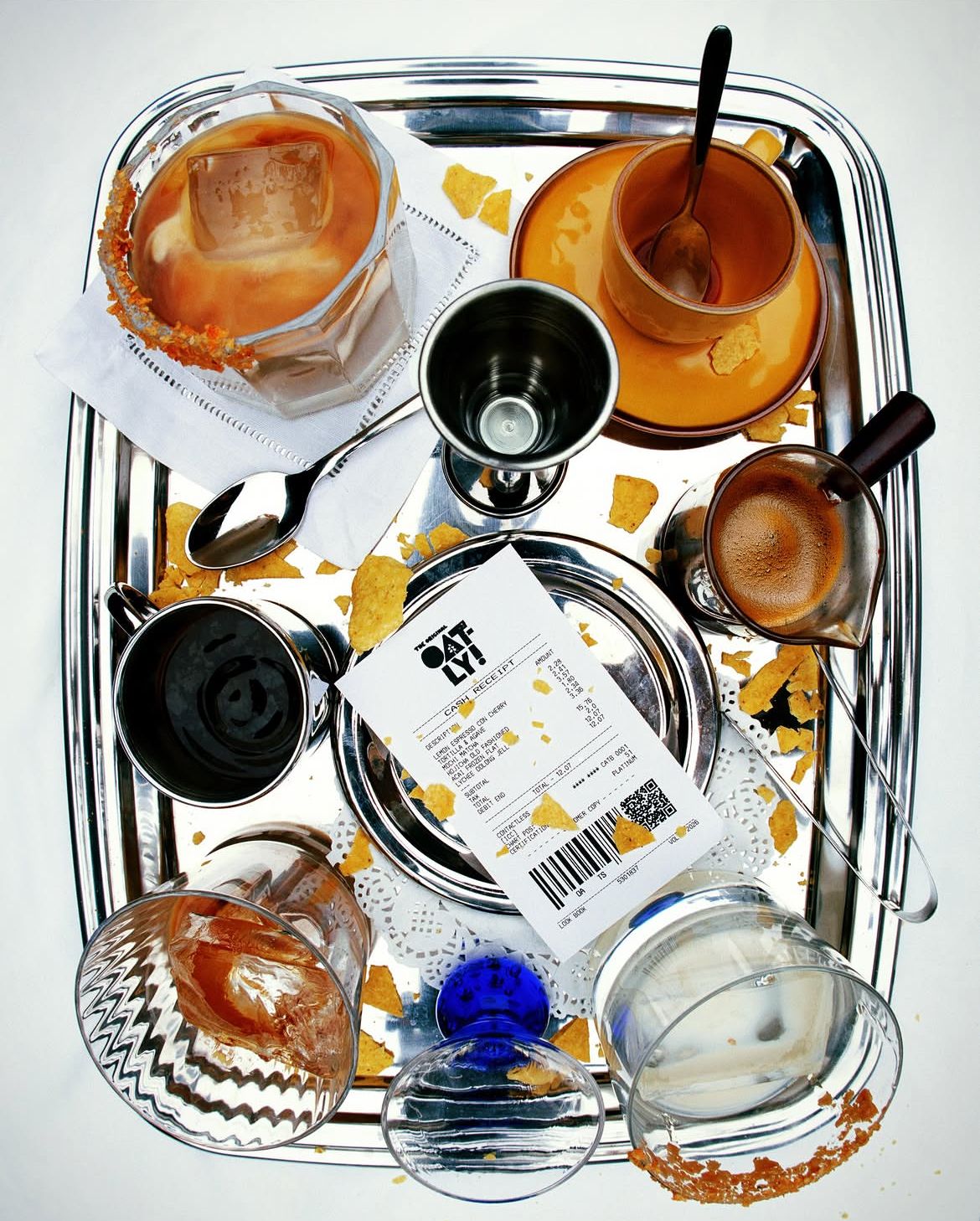
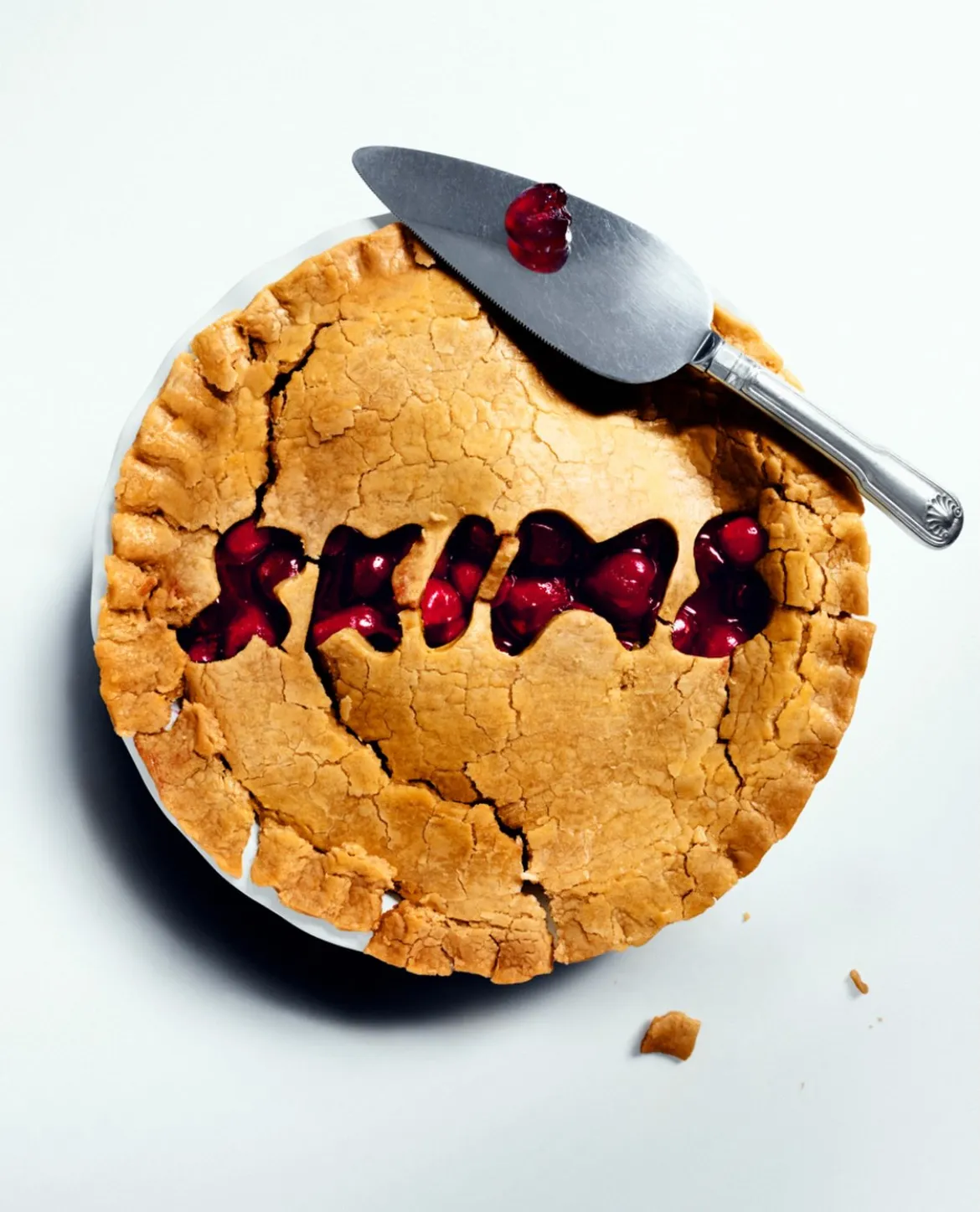
That perspective has taken him into campaigns for names including SKIMS, Bottega Veneta and Byredo, as well as editorial work for publications such as Vogue. For SKIMS, he transformed the brand’s waffle-inspired fabric into a series of logoed waffles. For Bottega Veneta, jelly objects borrowed the shapes of fashion accessories, turning something playful and edible into an exercise in luxury-image making.
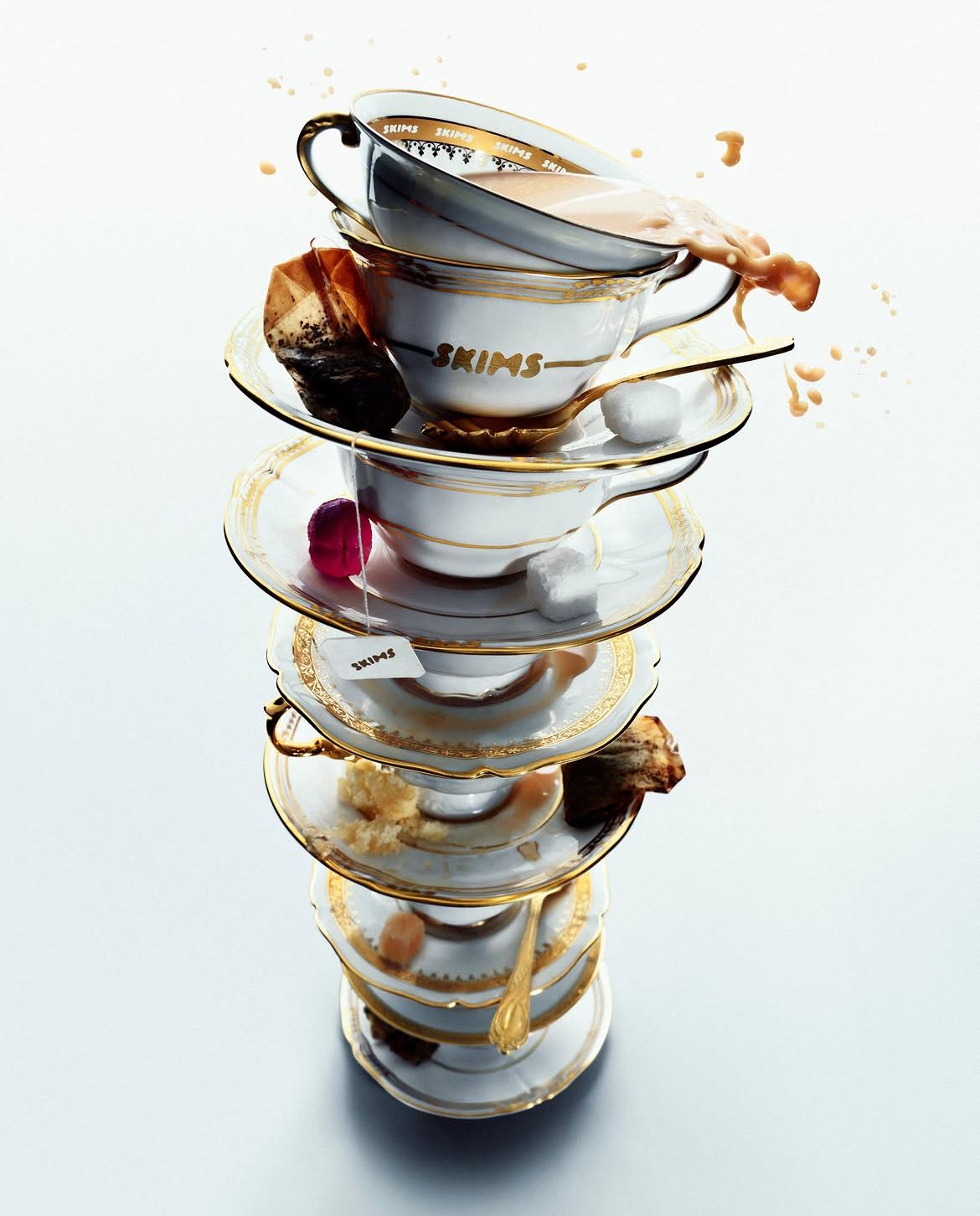
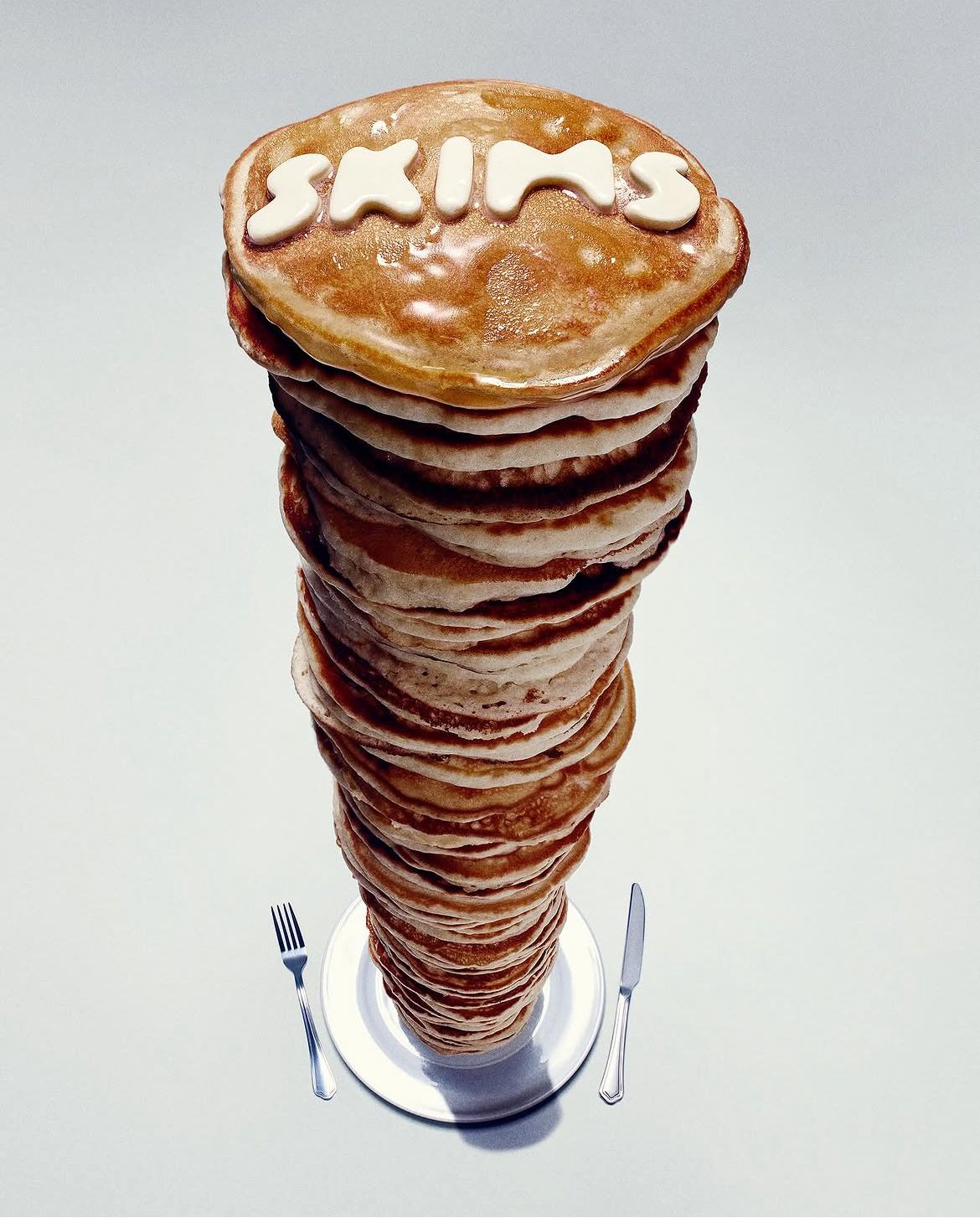
The appeal lies in the tension. These images can be beautiful, funny, slightly unsettling or all three at once. They invite a second look because the object in front of you refuses to behave quite as expected.
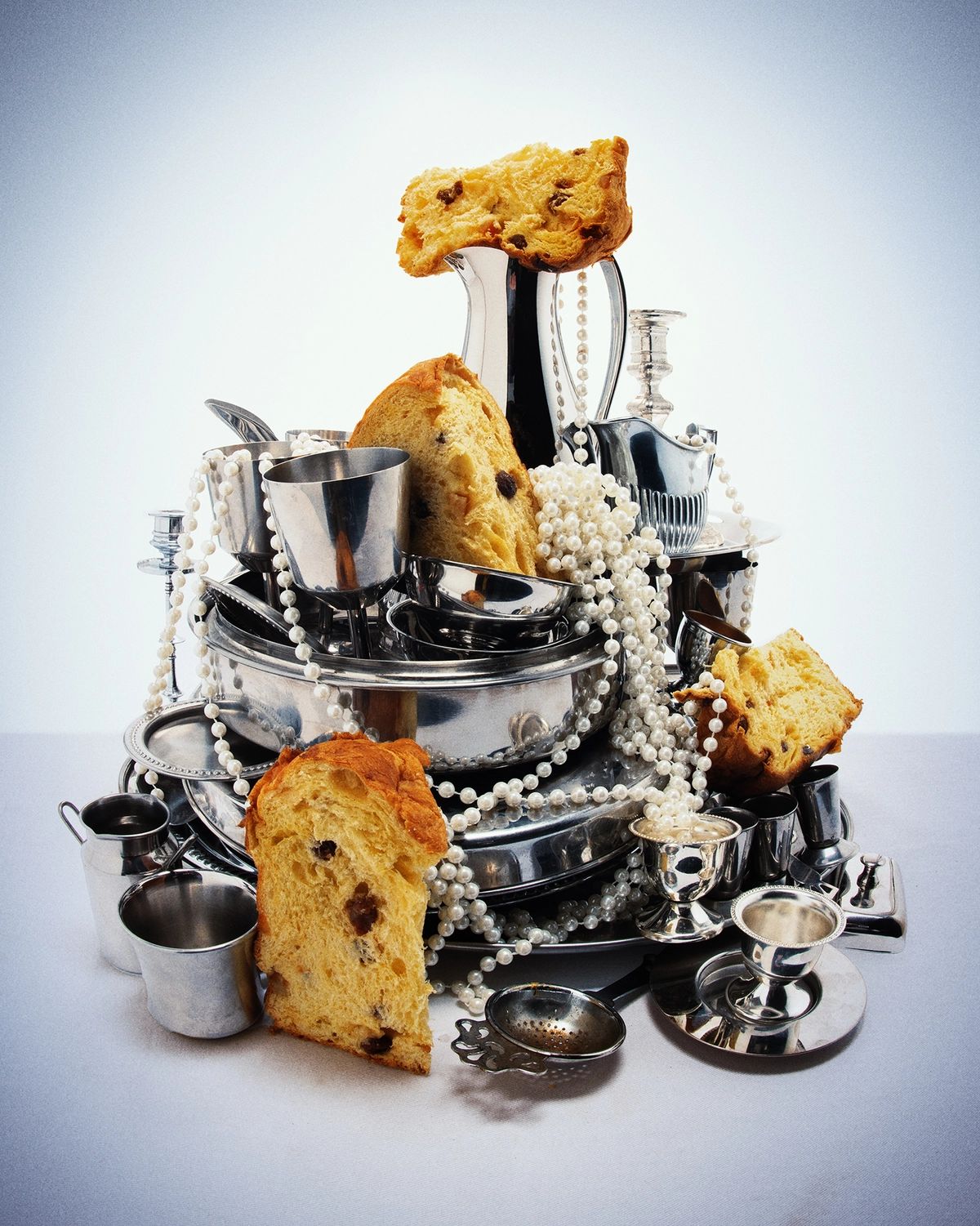
Beyond the perfect plate
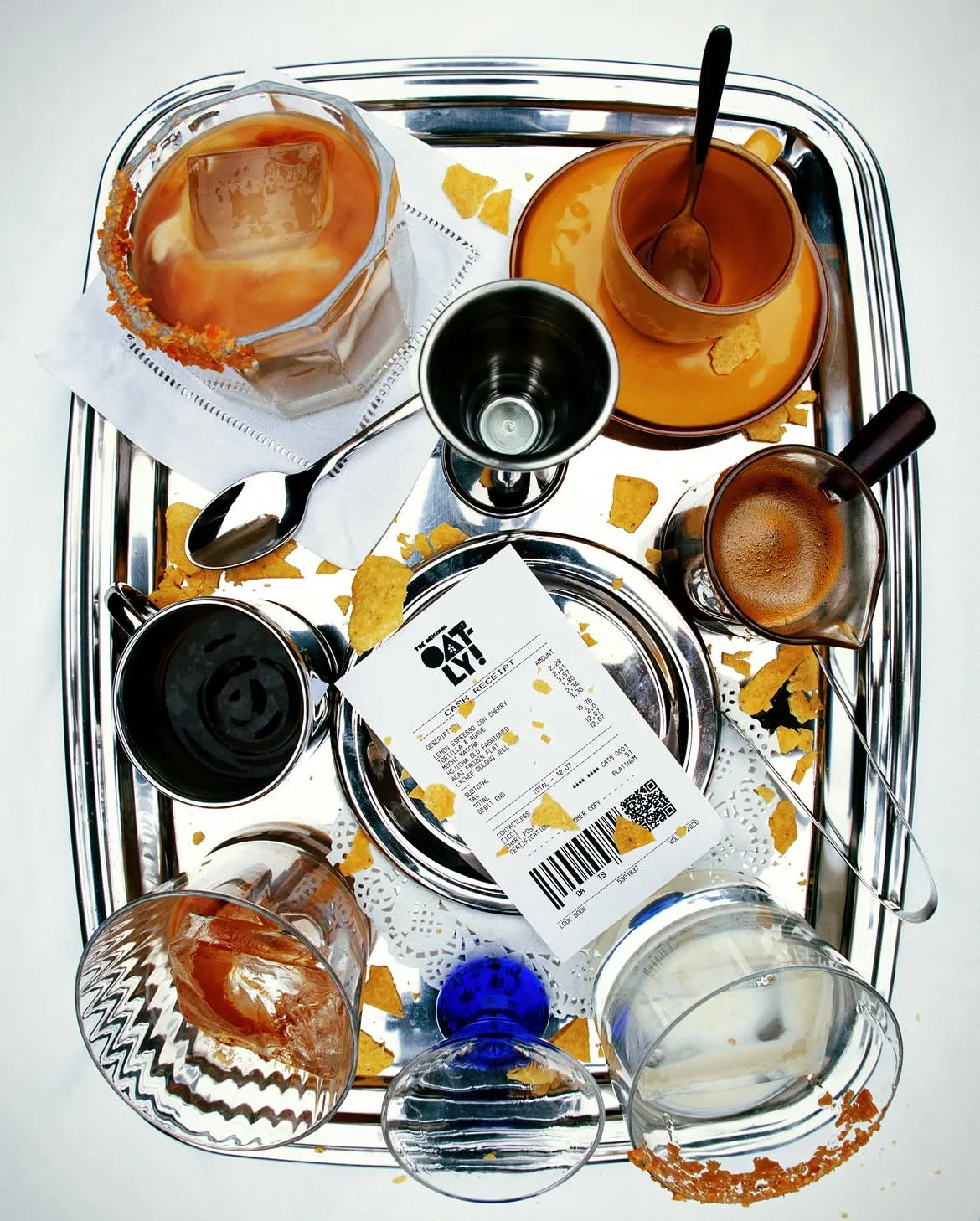
Paganelli’s work also challenges the polished conventions of commercial food photography. Rather than pursuing perfection for its own sake, he gravitates towards details that other photographers might avoid, including unusual textures and the visual appeal of food as it changes. In an interview with NR Magazine, he described his attraction to things that are “odd and almost a little bit repulsive”.
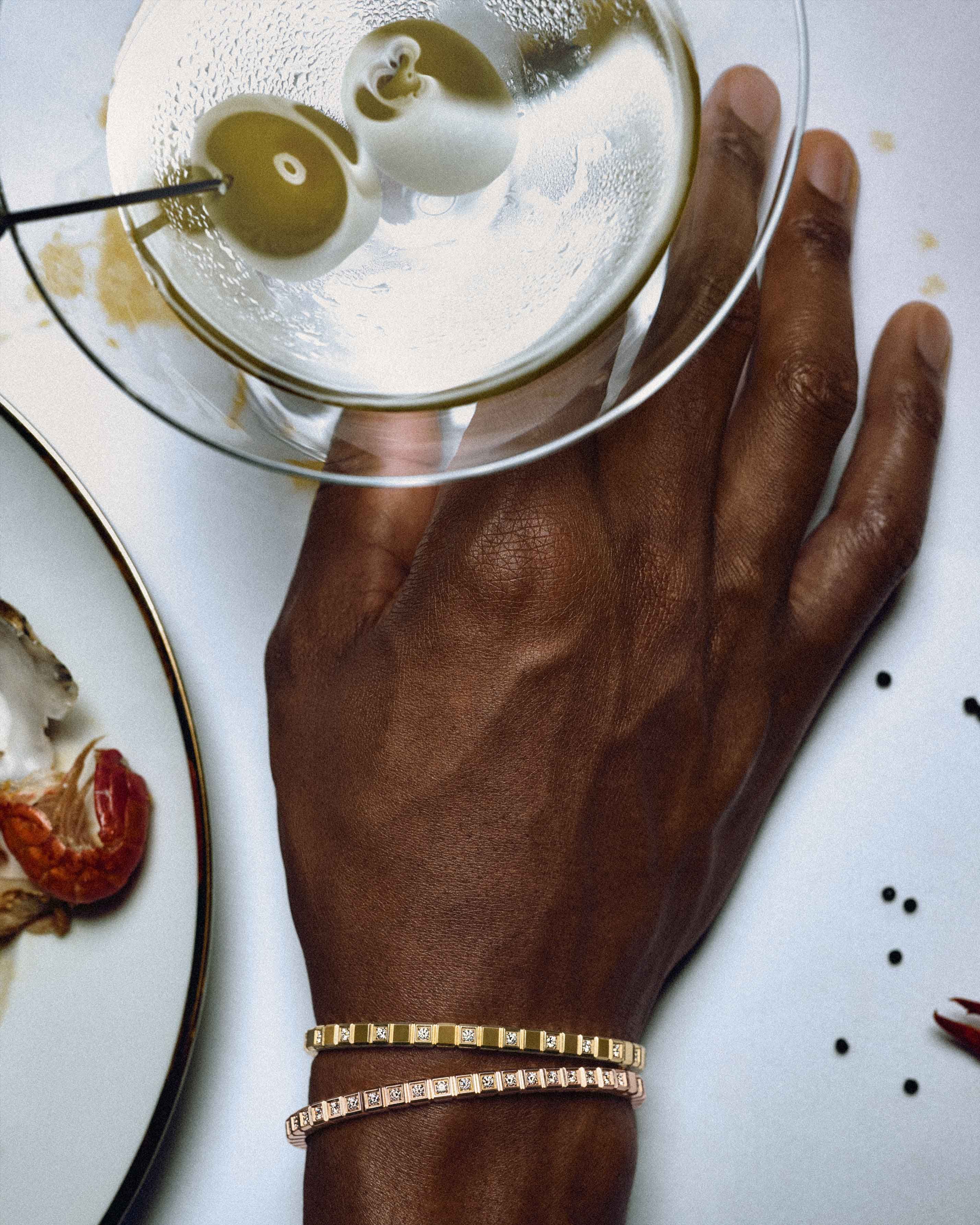
It is an approach that makes sense in a creative landscape where food has become much more than a subject for recipes or restaurant menus. It can communicate identity, desire, humour and even the codes of luxury fashion. Paganelli understands that a plate, a pastry or a piece of jelly can be as expressive as a handbag or a pair of shoes, provided someone looks at it differently.
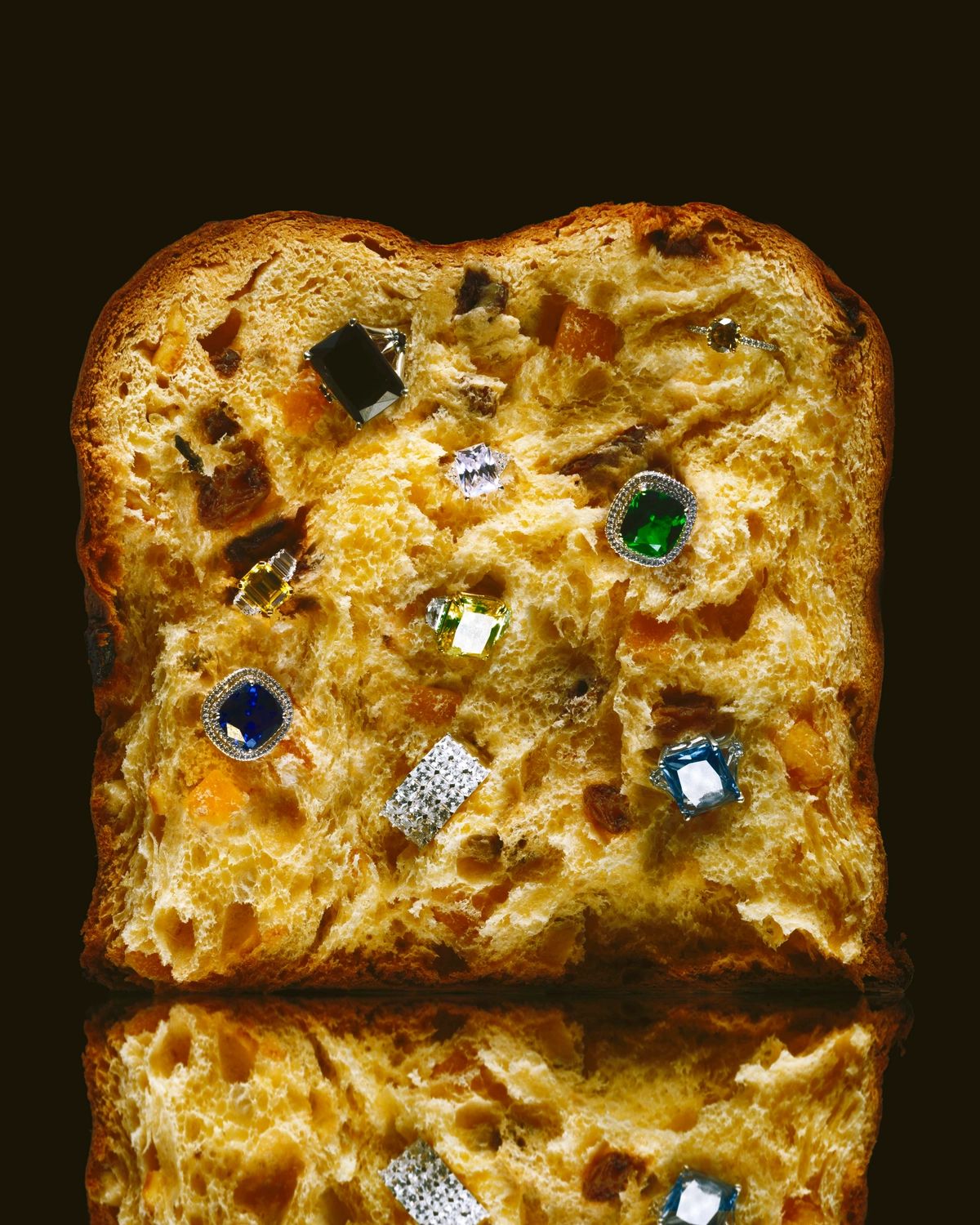
For The Eating Archive, that is precisely the point. His images remind us that the culture of eating extends well beyond what ends up on the table. Sometimes, the most interesting thing about food is what someone with an extraordinary eye can make us see in it.
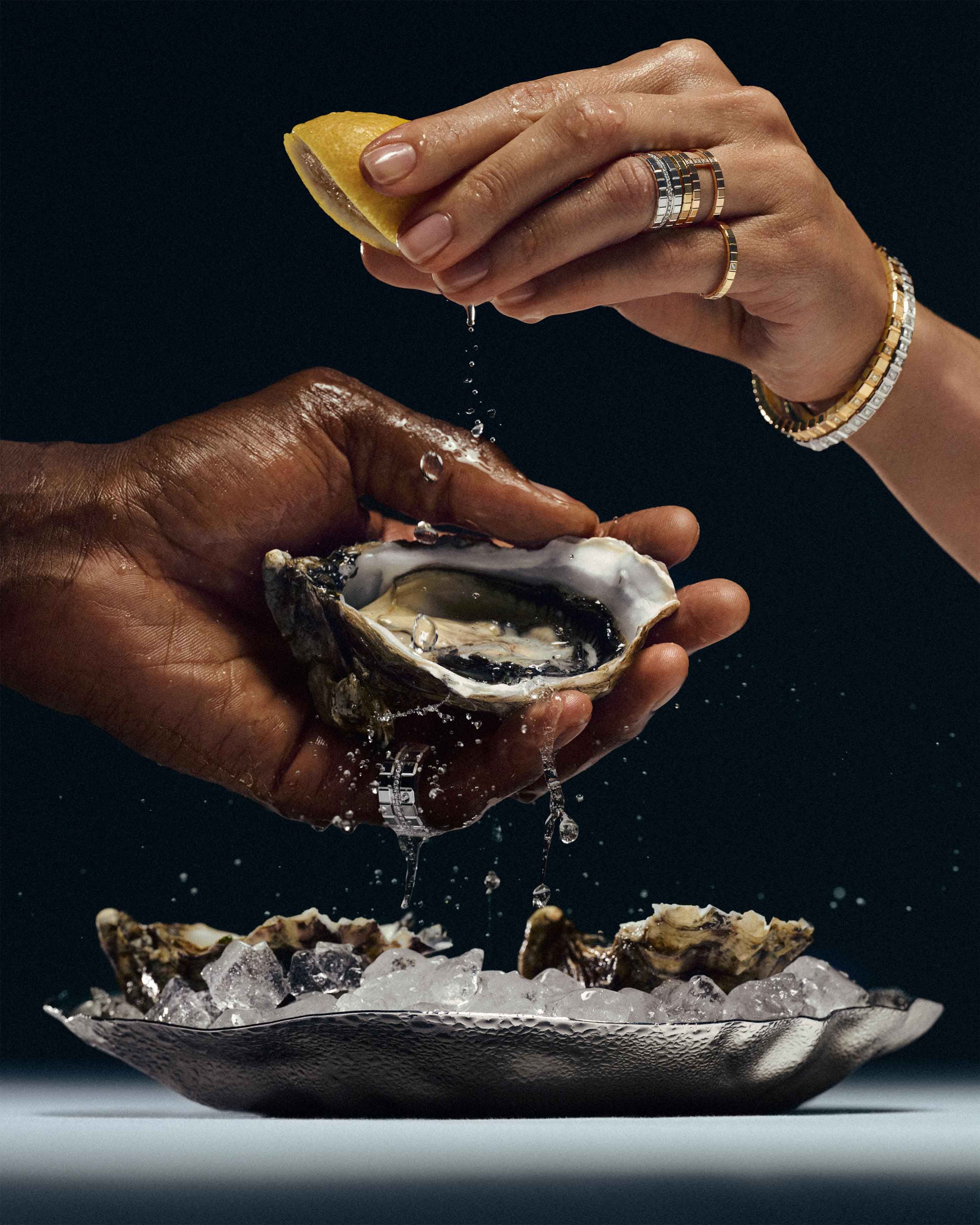
In pictures Image 1 of 11
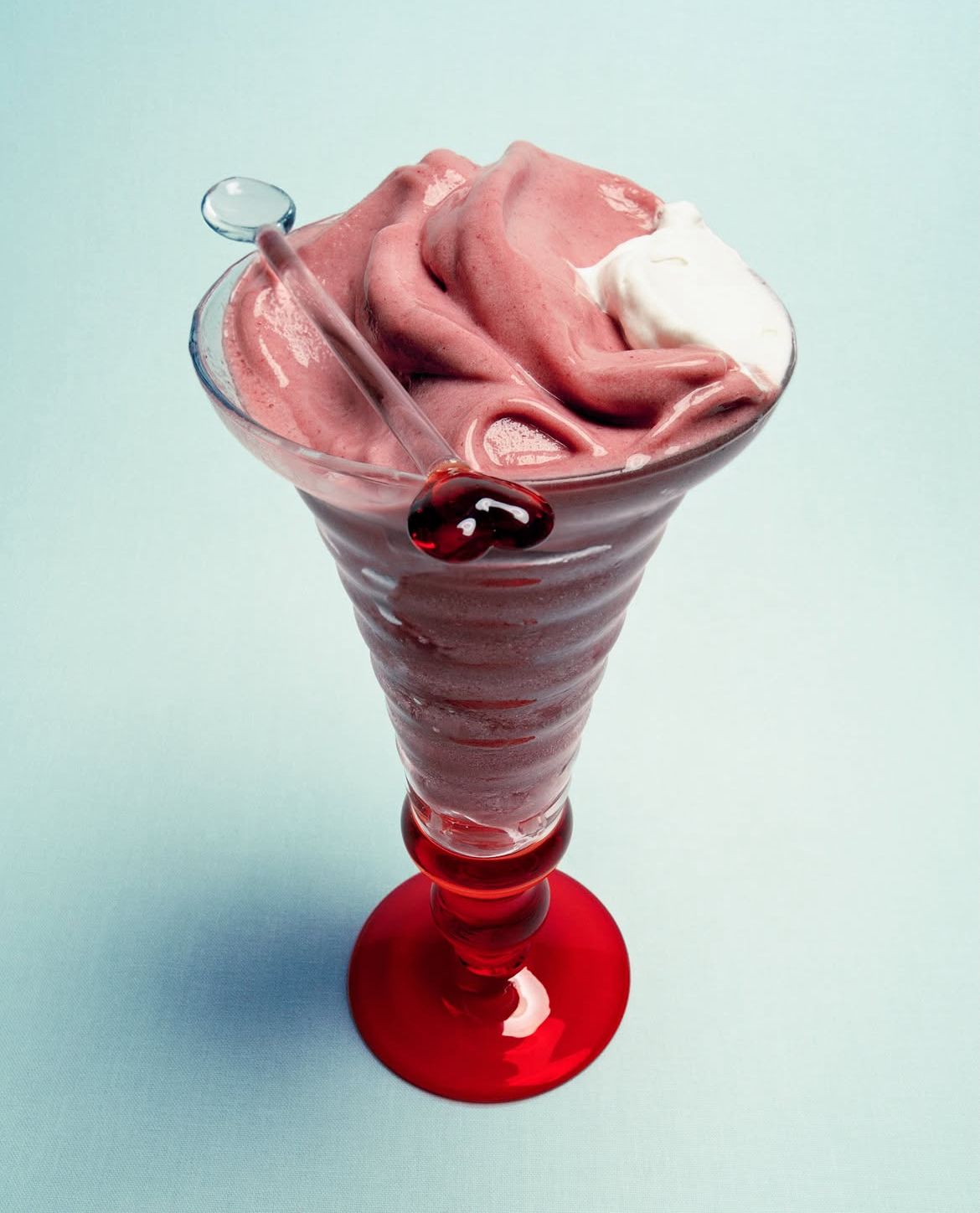
Photo: Alex Paganelli 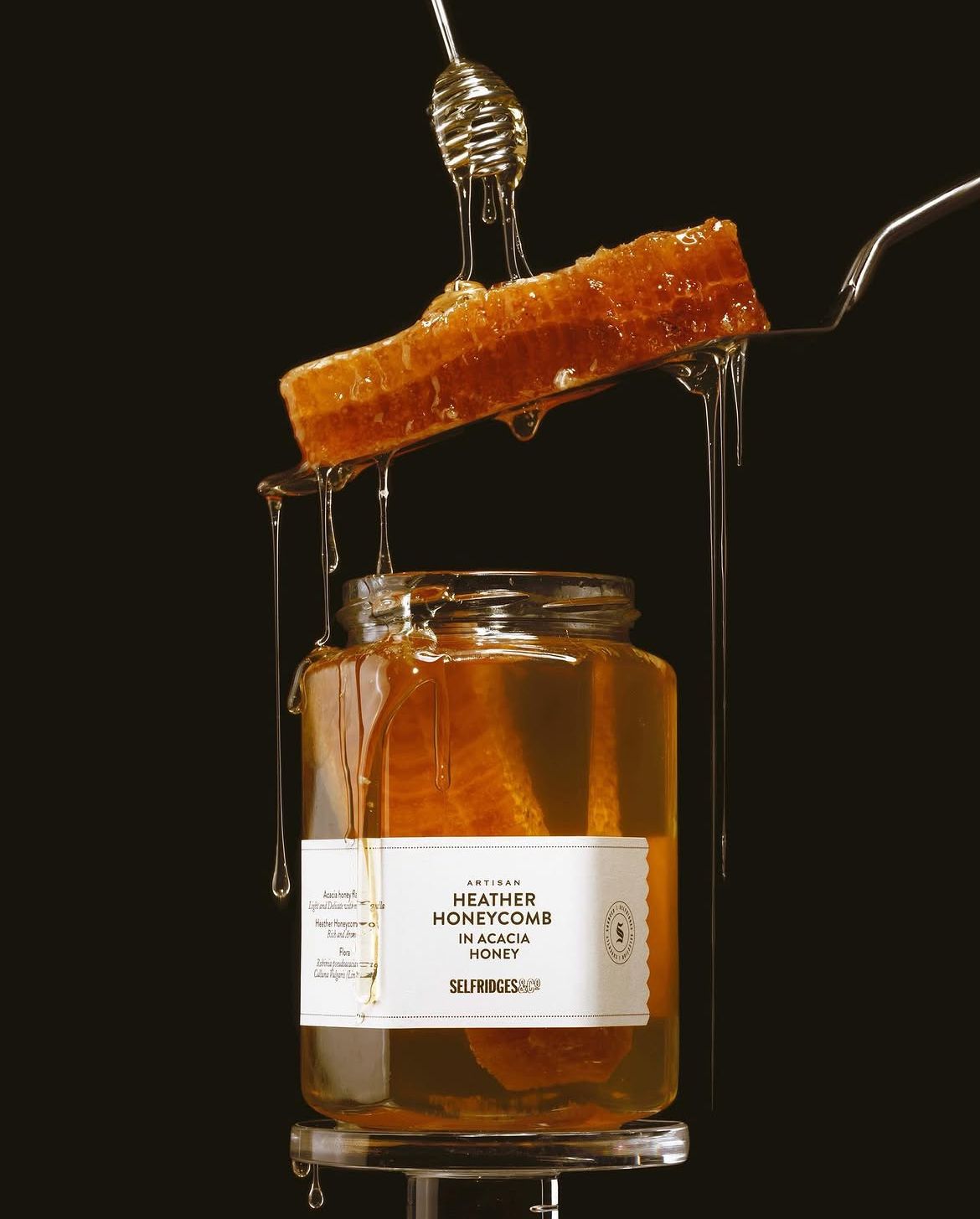
Photo: Alex Paganelli Photo: Alex Paganelli 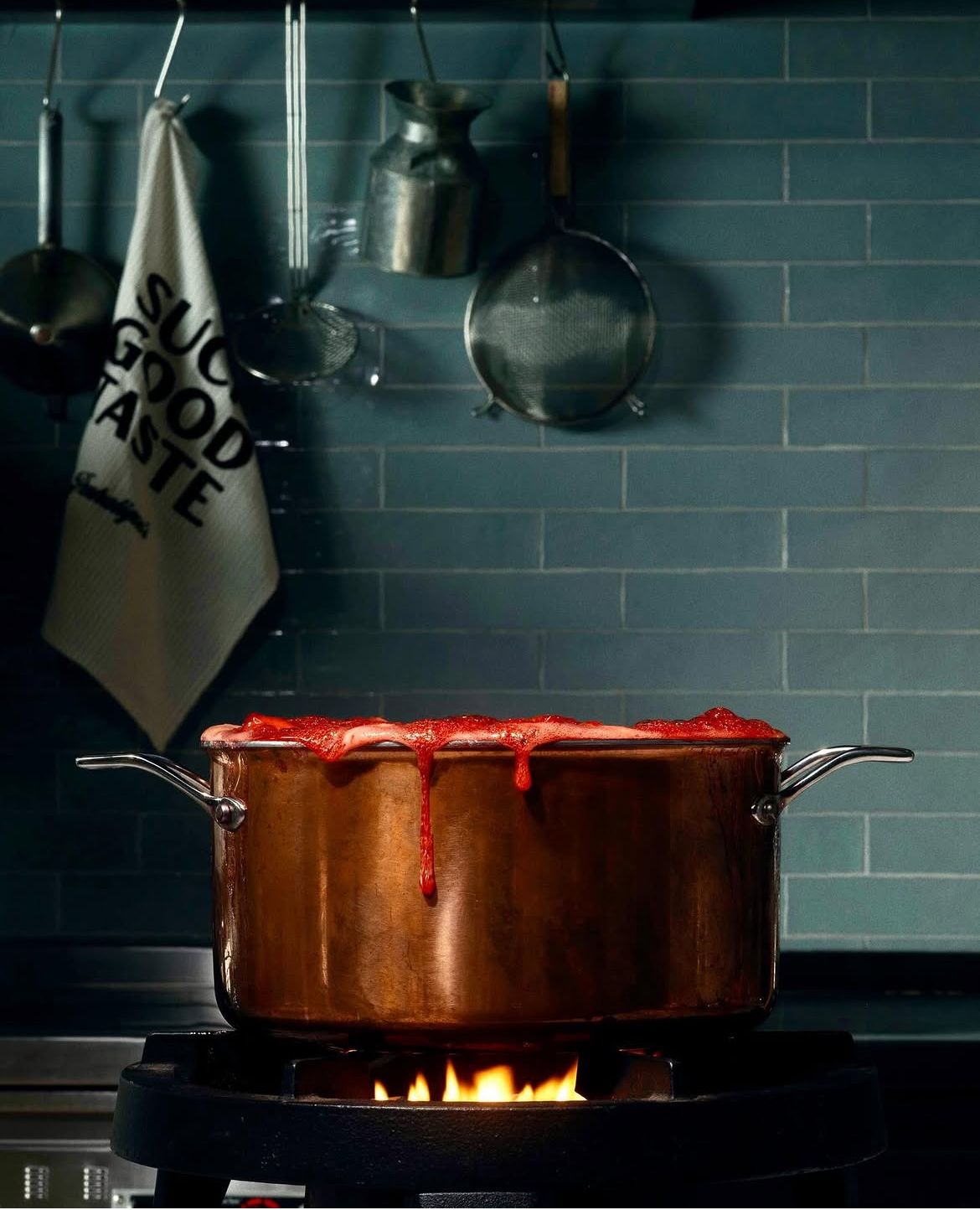
Photo: Alex Paganelli 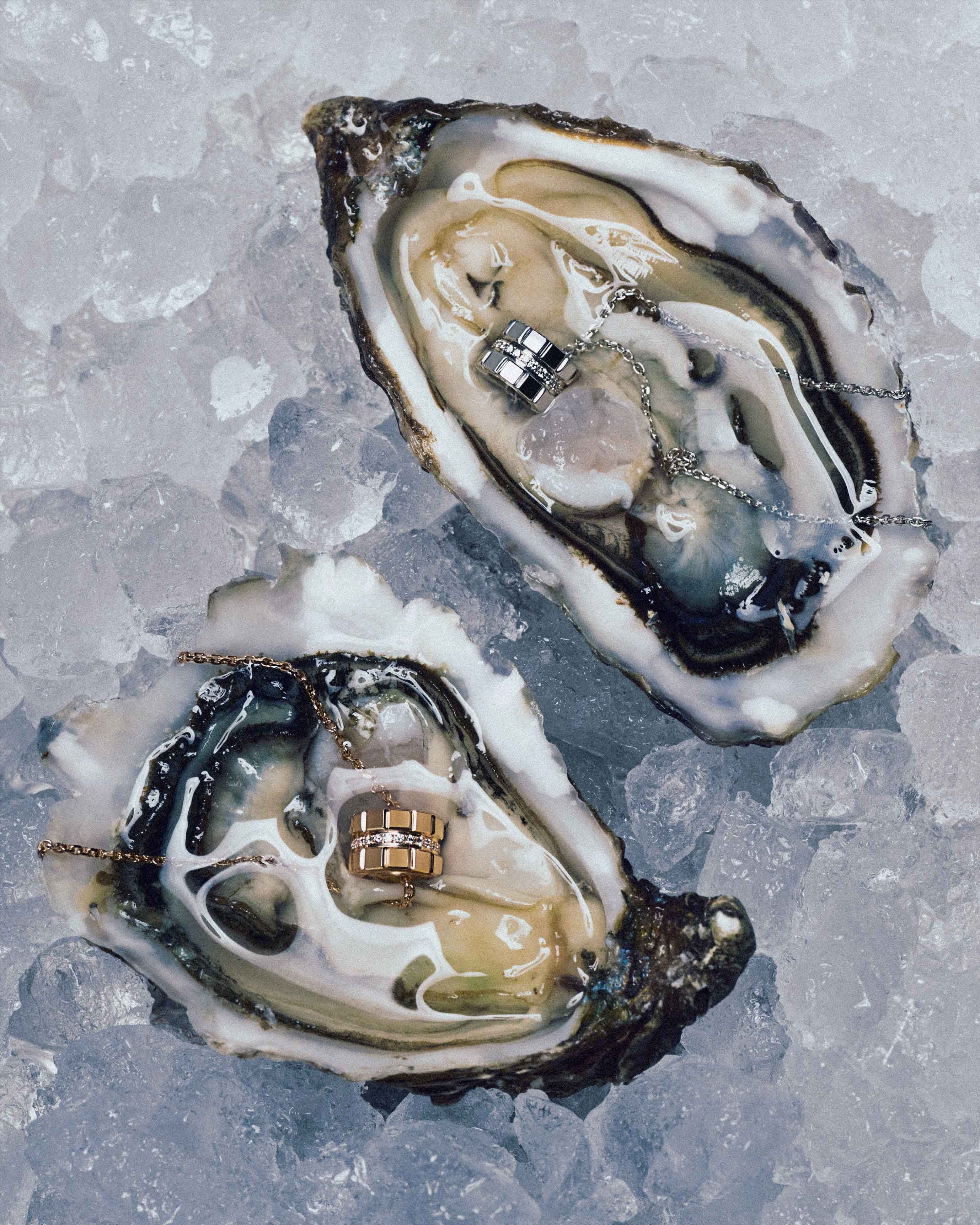
Photo: Alex Paganelli 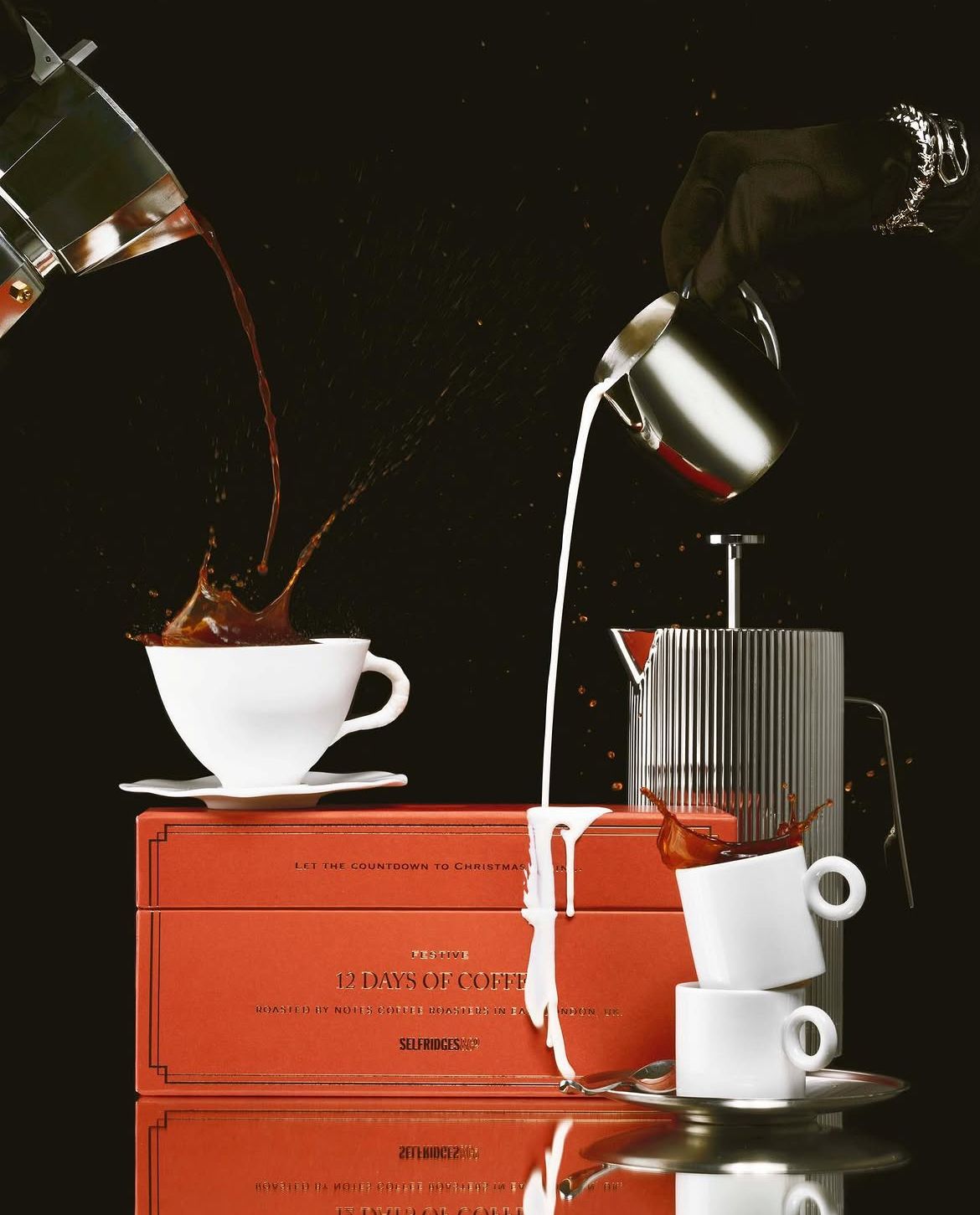
Photo: Alex Paganelli 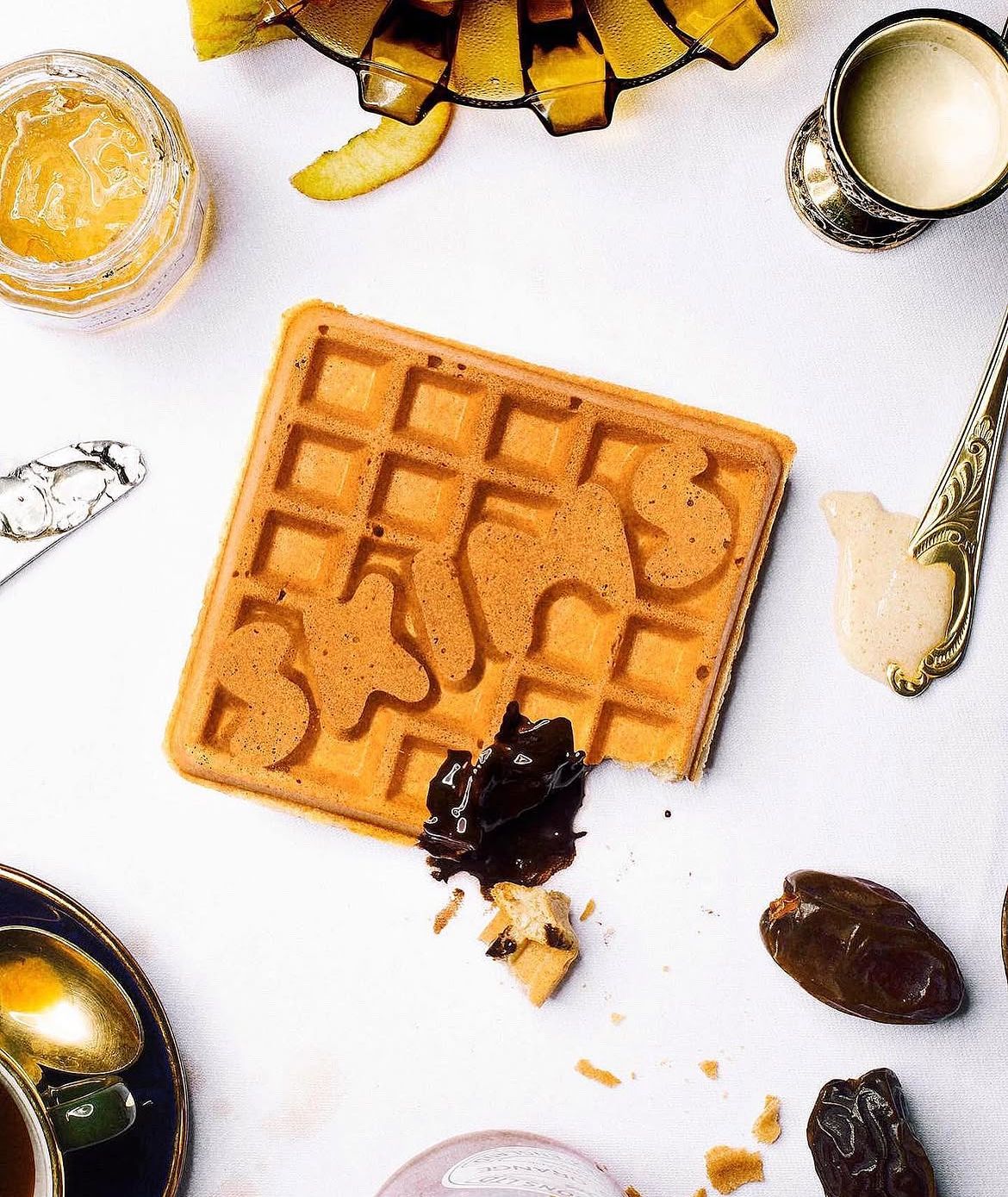
Photo: Alex Paganelli 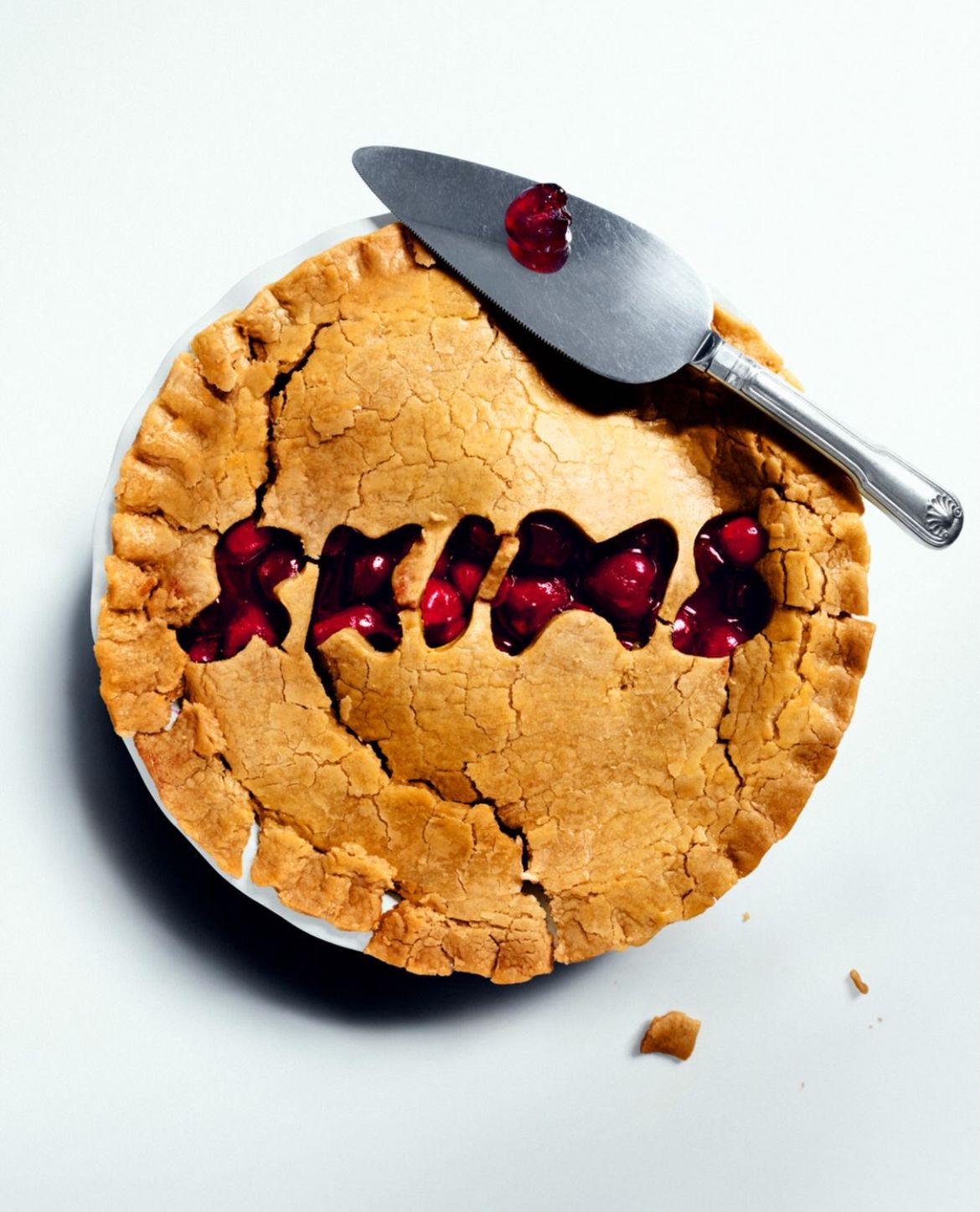
Photo: Alex Paganelli 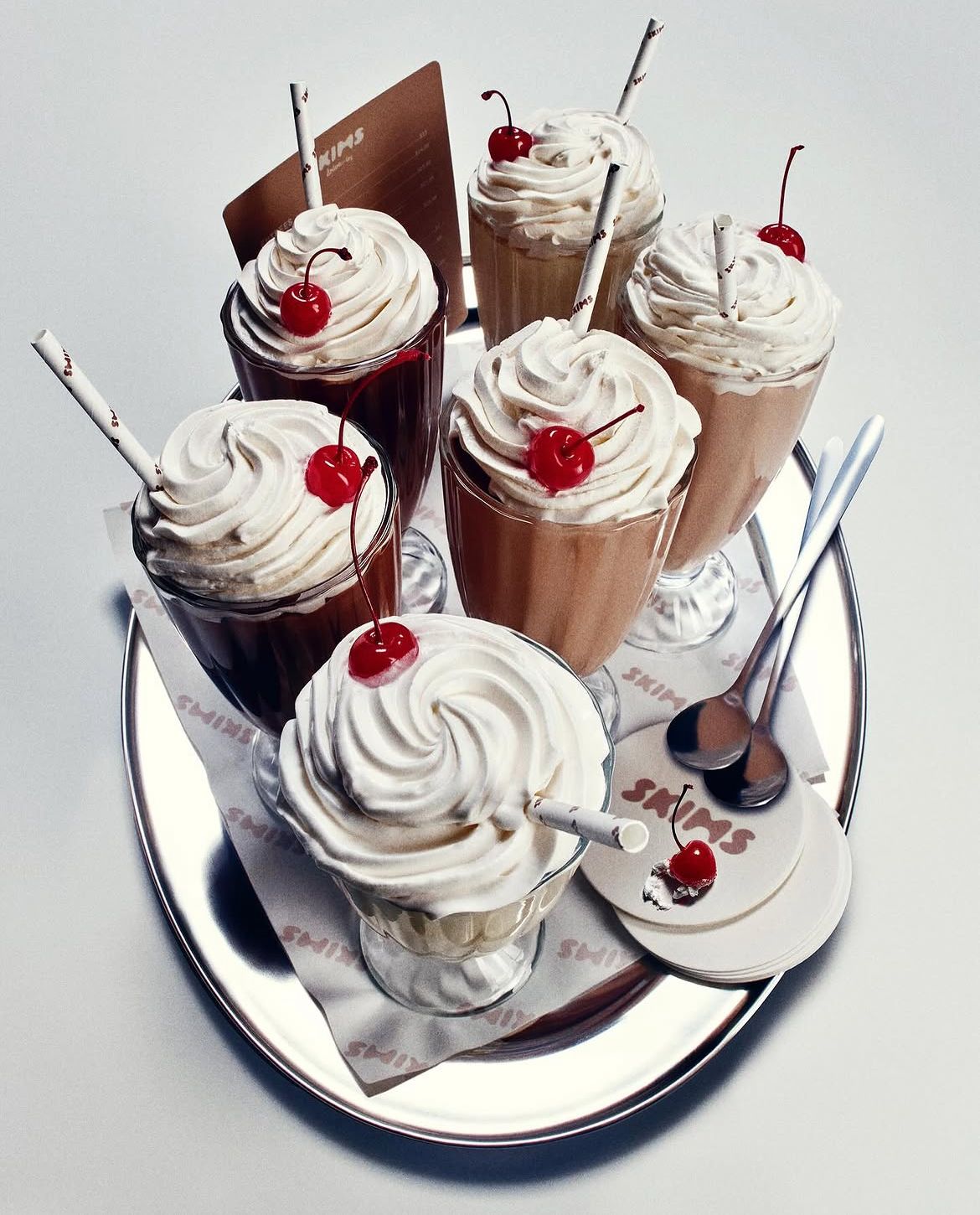
Photo: Alex Paganelli 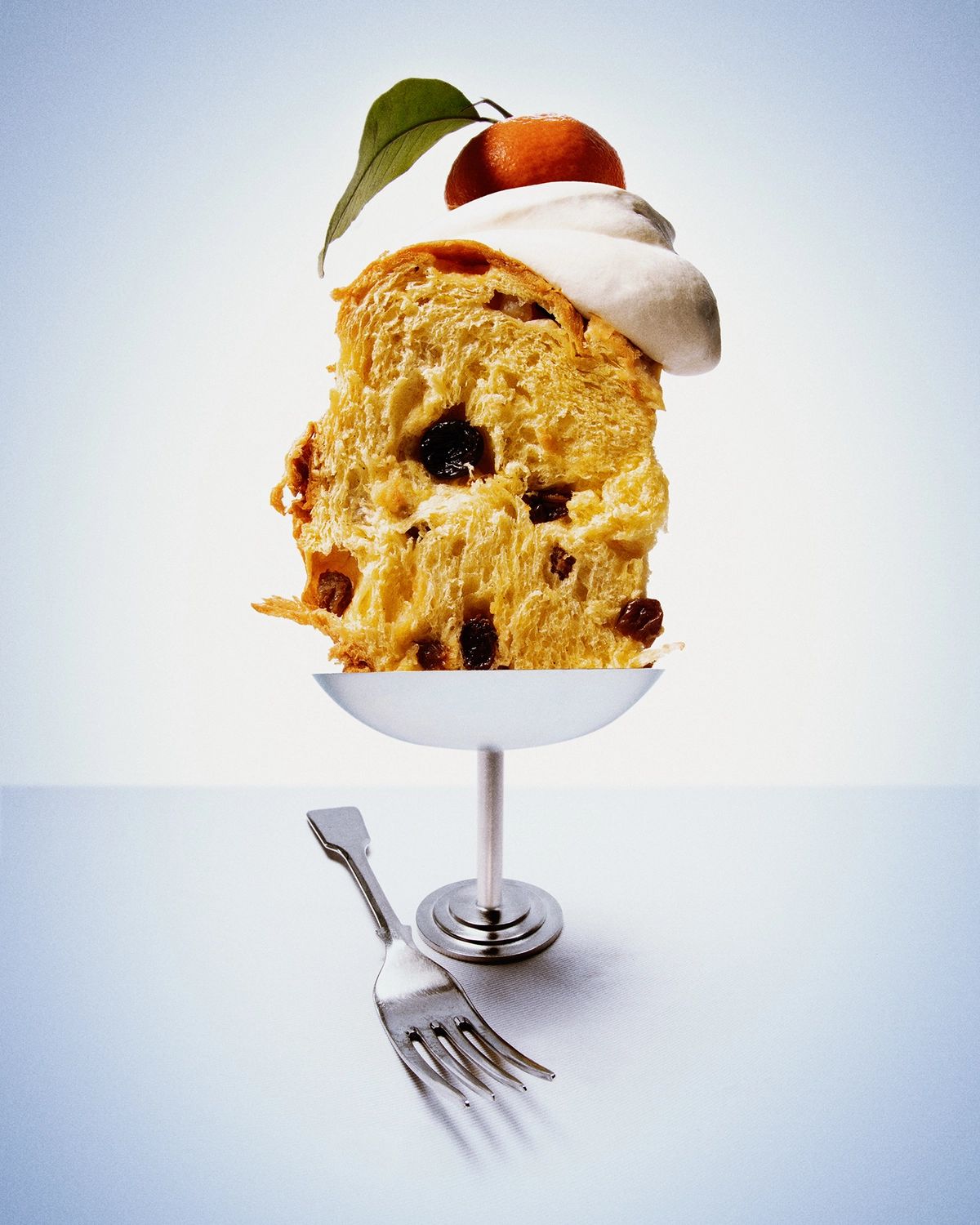
Photo: Alex Paganelli 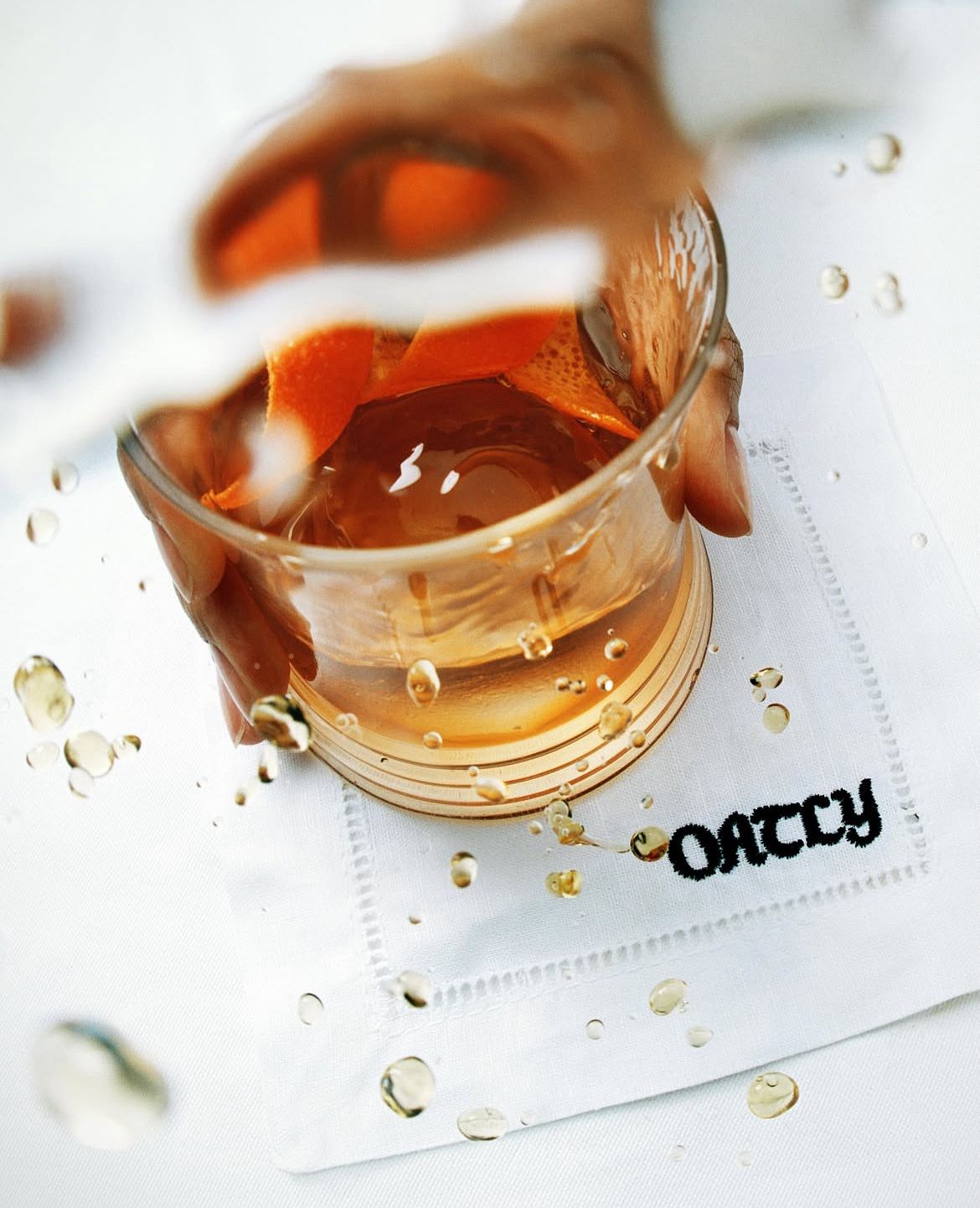
Photo: Alex Paganelli