The World’s Leading Brands Are Falling for Alice Malaret’s Food Creations
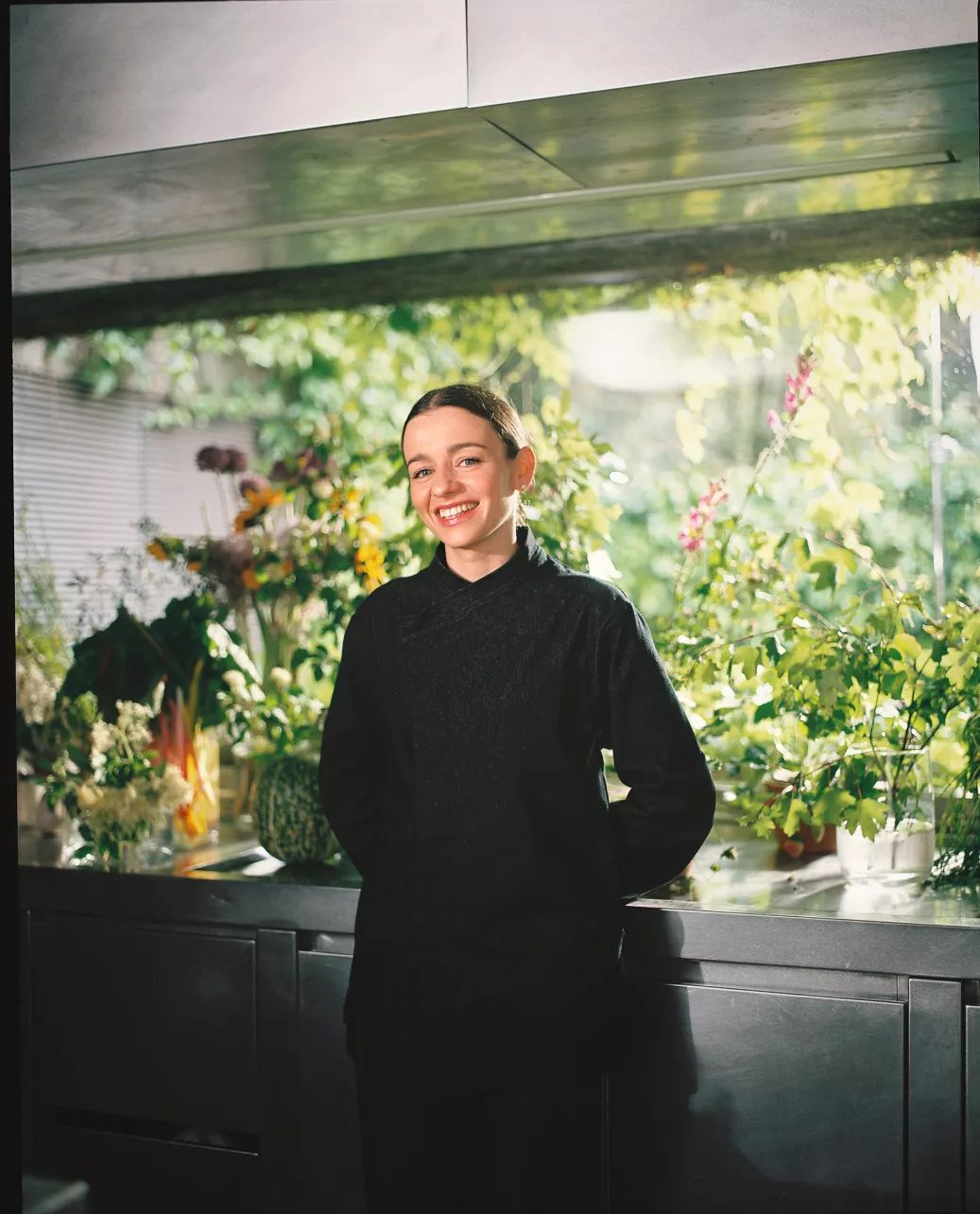
Alice Malaret started with a café in Paris and ended up creating edible worlds for some of fashion’s biggest names, from Miu Miu and Louis Vuitton to Bottega Veneta and Mugler. Her work sits somewhere between food, set design and art direction, turning ingredients into a visual language of their own.
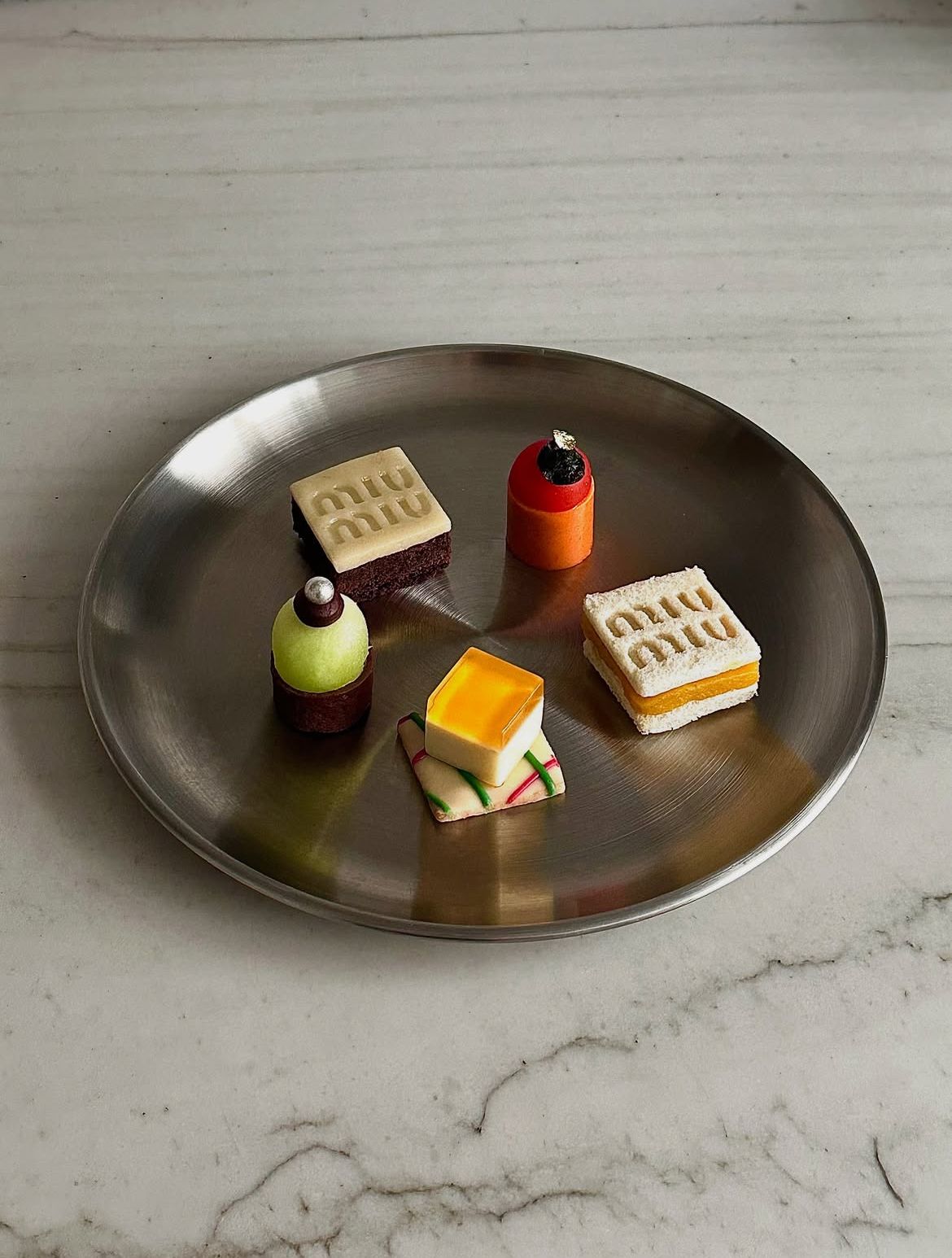
In 2019, Alice Malaret opened a café in Paris’s 11th arrondissement. It was a relatively conventional starting point for what would become a decidedly unconventional career. Malaret had studied at business school, worked in the corporate world and later trained in French pastry before opening her own place. Then one of her café customers, who worked for a fashion brand, asked her to cater an event. The brand was Miu Miu.
That first fashion collaboration changed the direction of her work. What began with a café gradually became a practice devoted to food as an image, an object and an experience. Today, through her Paris-based studio Douceurs Capitales, Malaret works at the intersection of food, fashion, design and luxury, creating edible pieces and entire visual worlds for brands.
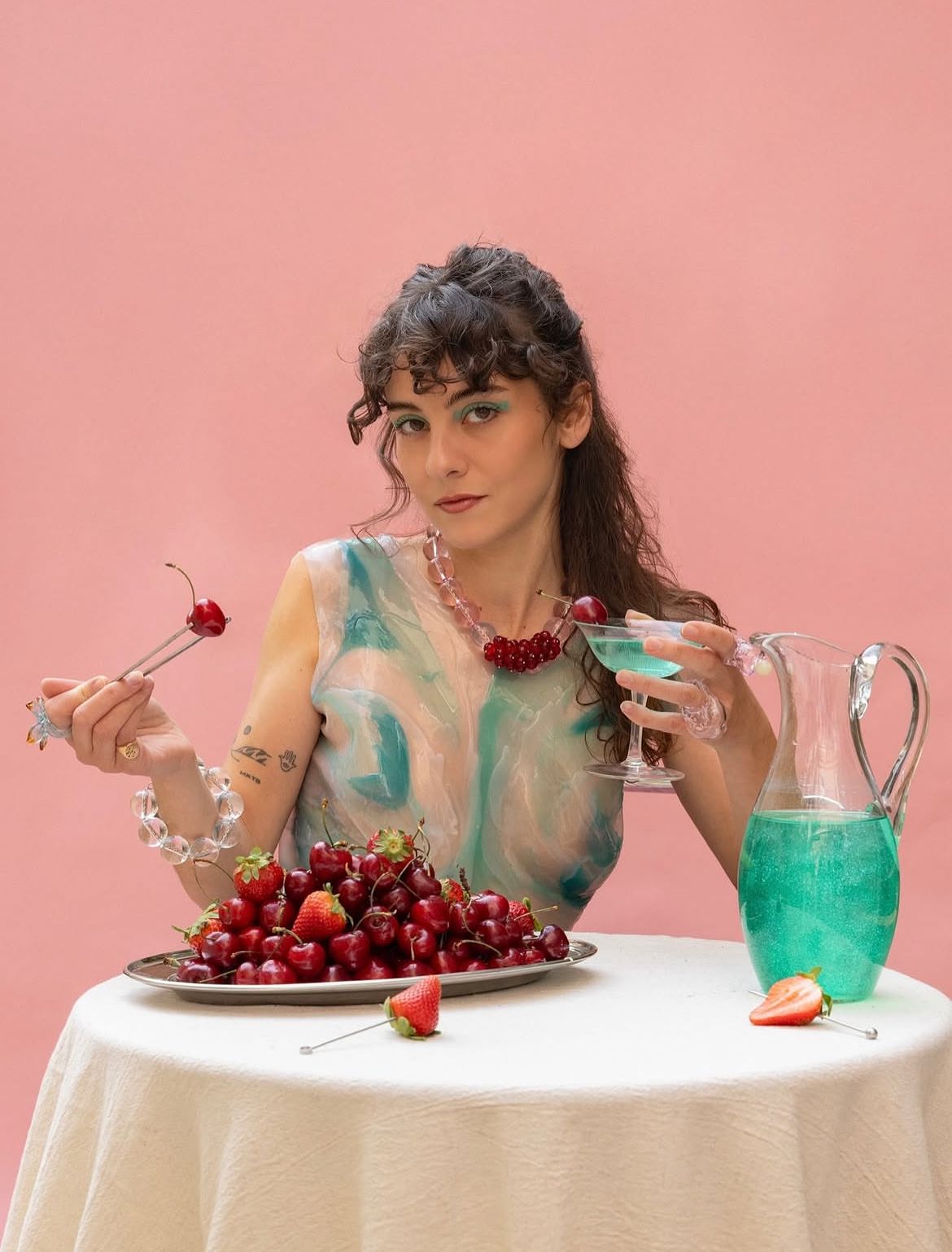
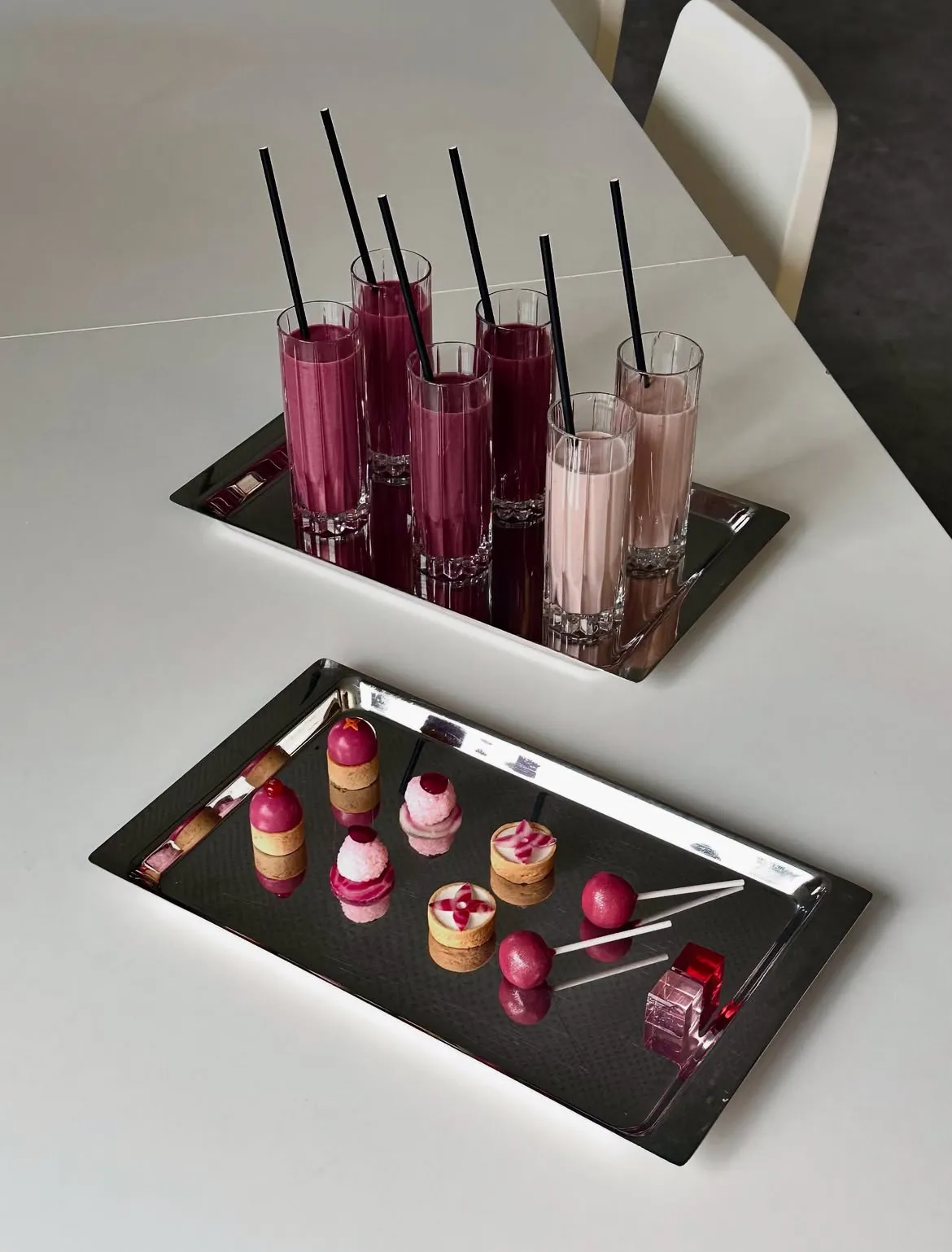
Miu Miu was only the beginning. Her portfolio now includes Louis Vuitton, Bottega Veneta, Mugler, Cacharel and other fashion and beauty names, with each project translating a brand’s visual identity into something that can be eaten.
It is a curious career trajectory: from serving coffee to making food that looks like fashion.
Food, But Make It Art Direction
Malaret’s work is easier to understand if you stop thinking of it as catering.
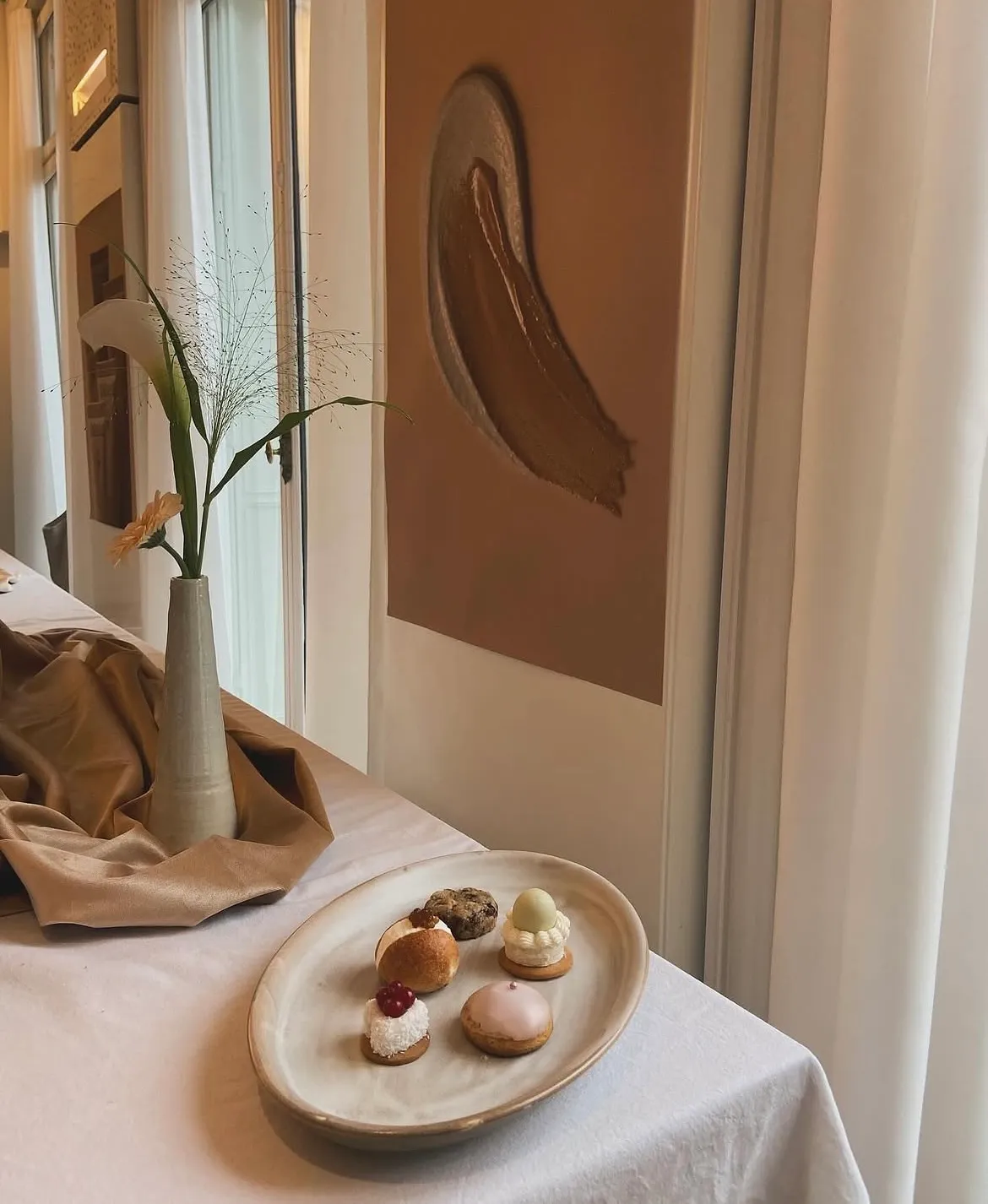
Her studio describes itself as working with textures, colours, materials and objects to translate a universe or concept through food. The edible pieces are created as part of carefully considered scenographies, rather than simply being placed on a table once they are finished.
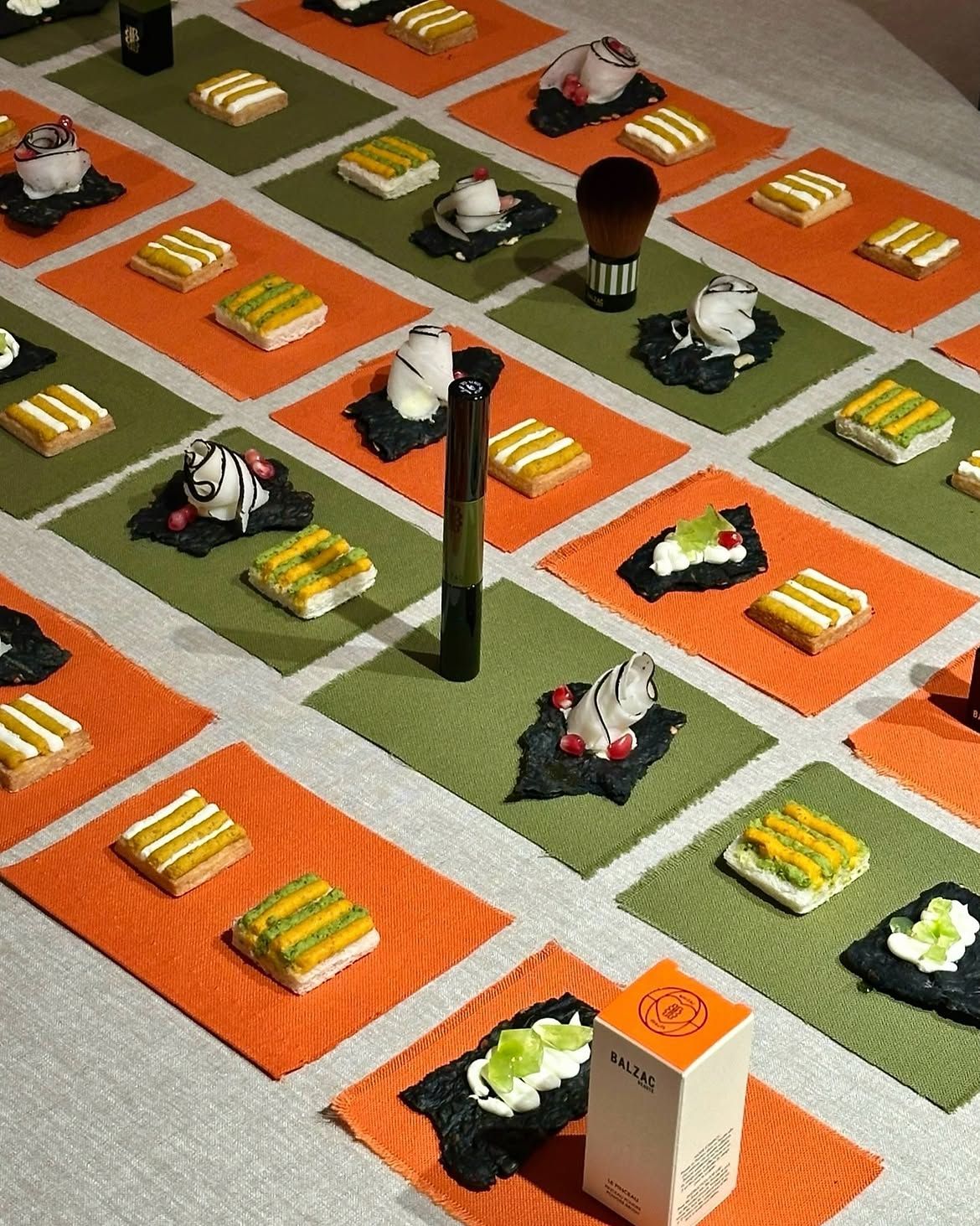
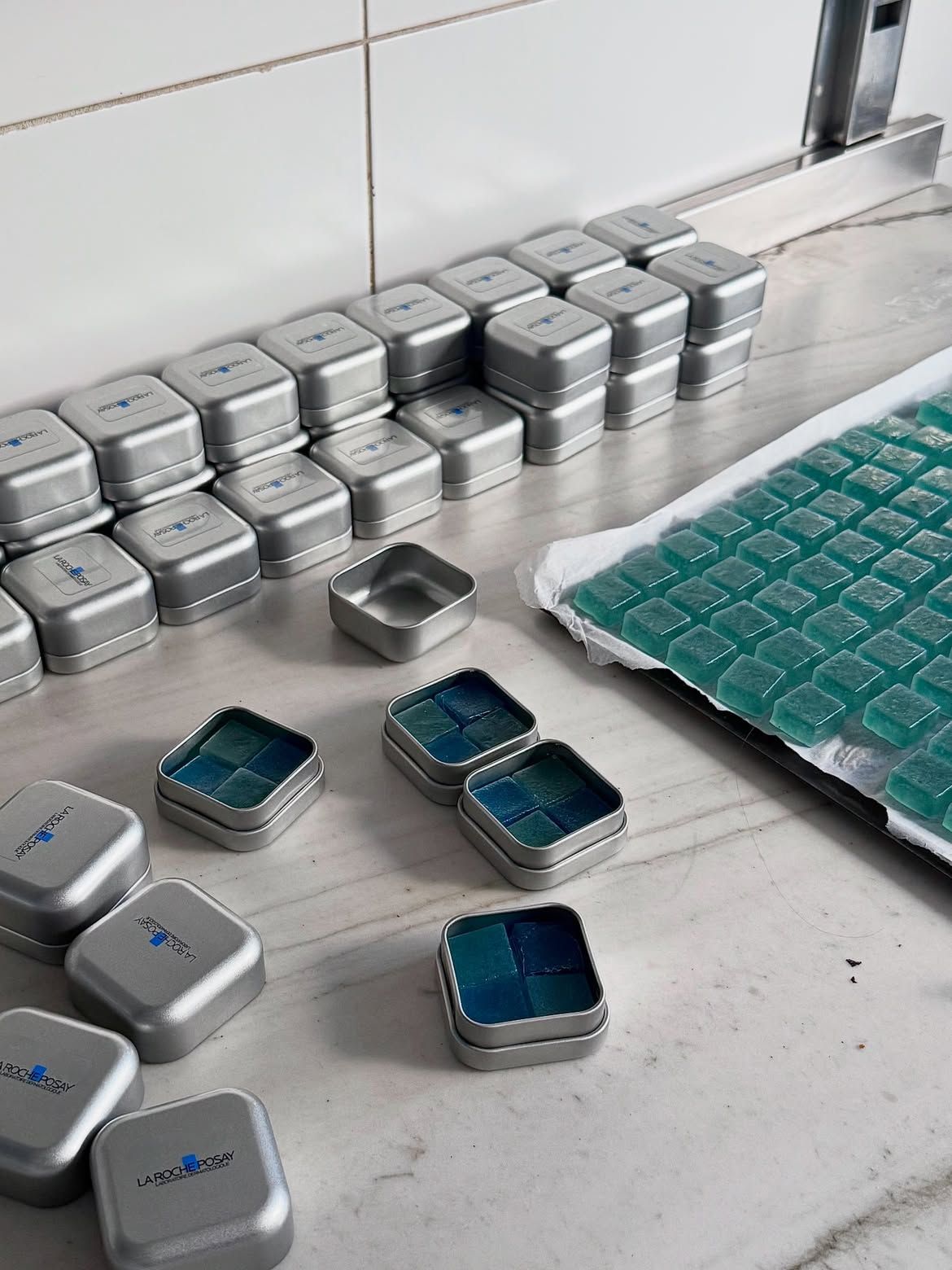
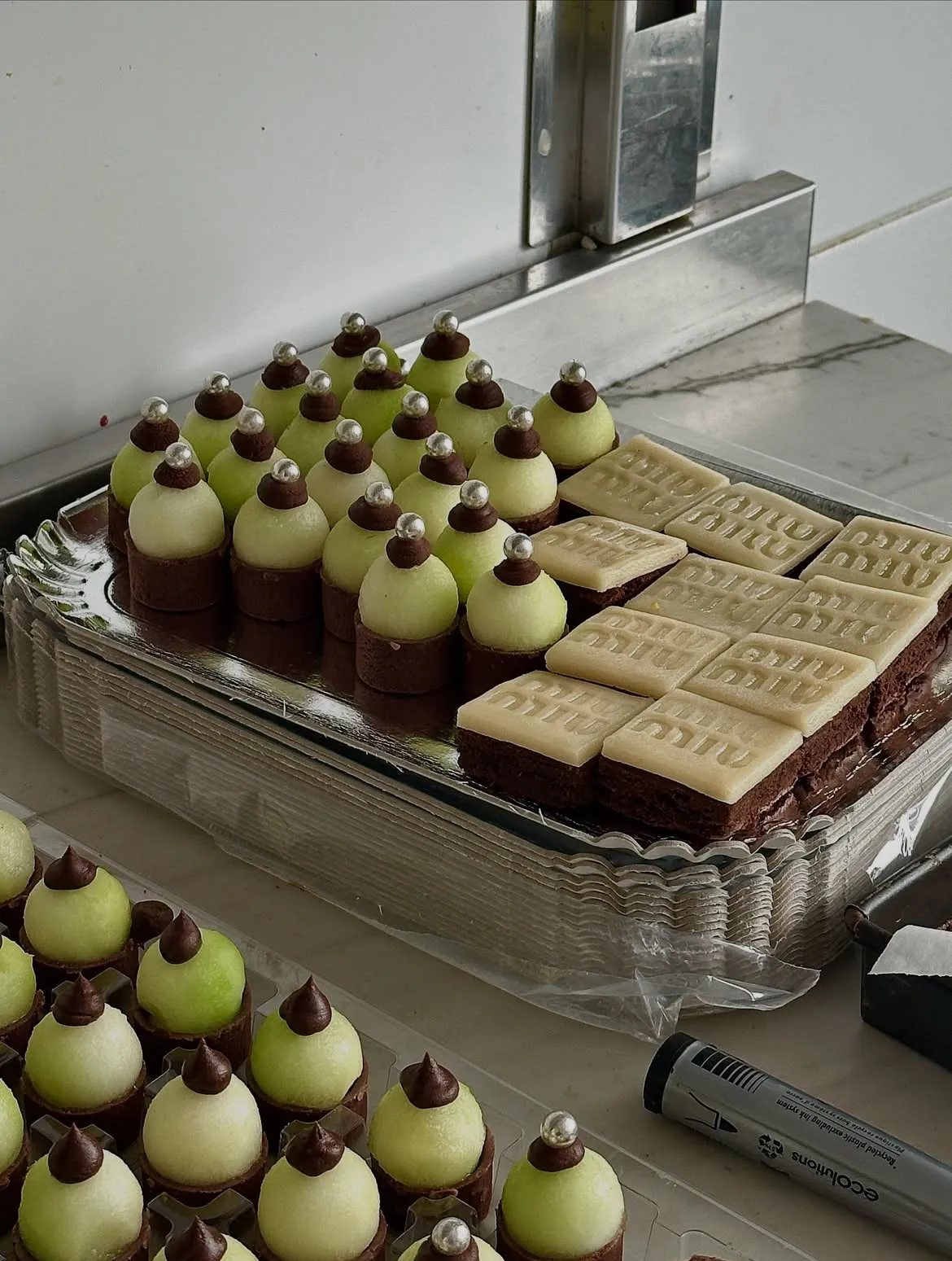
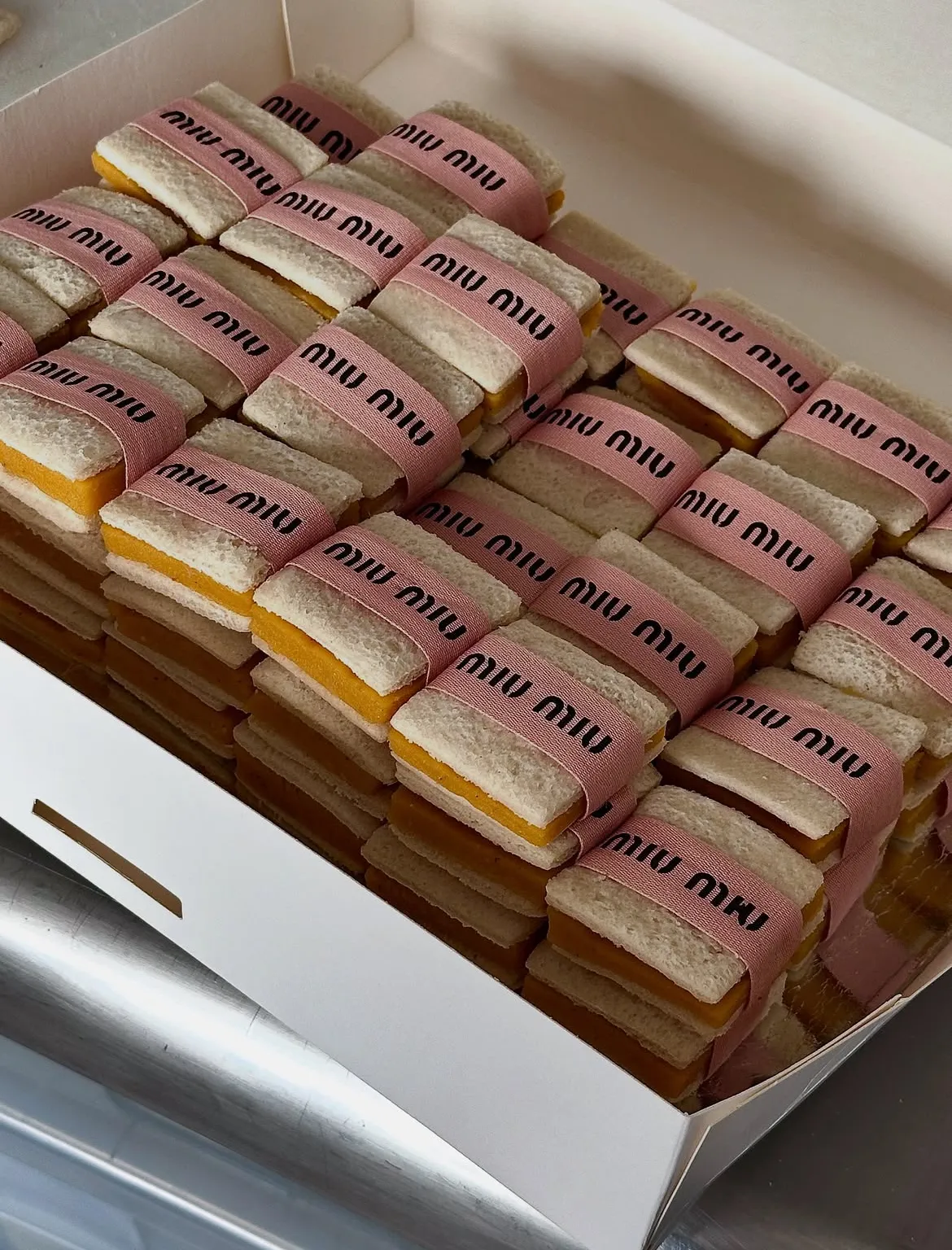
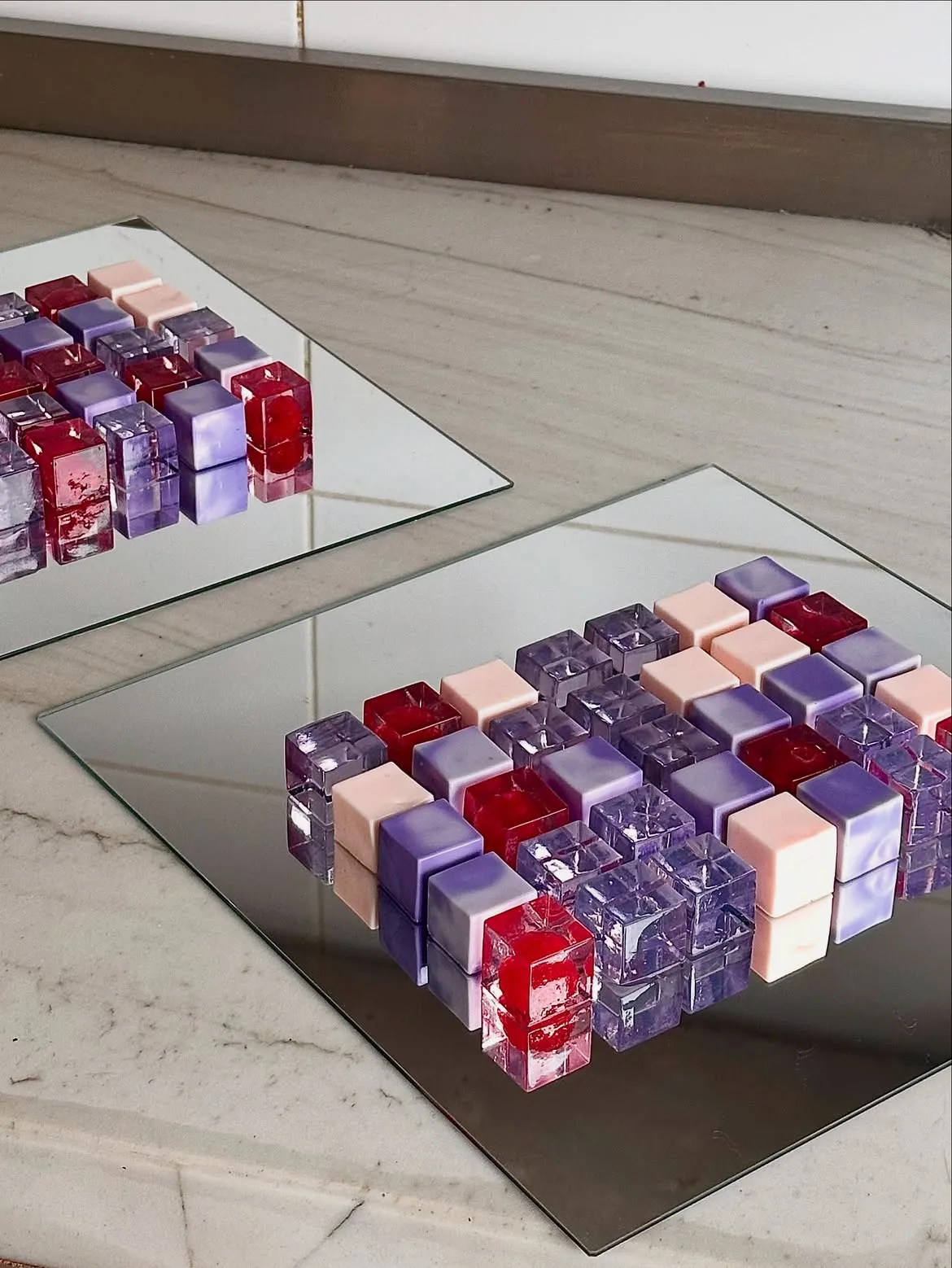
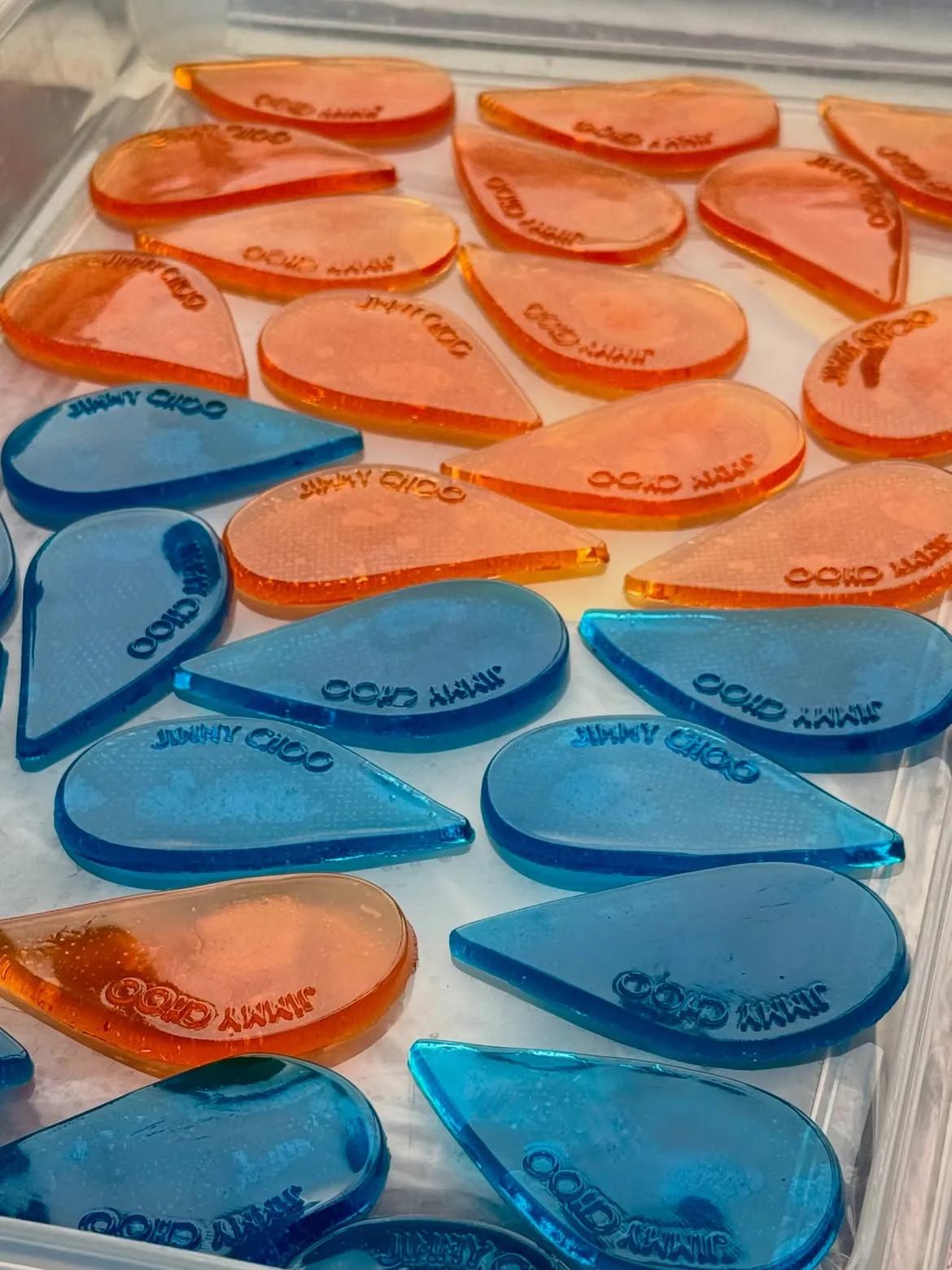
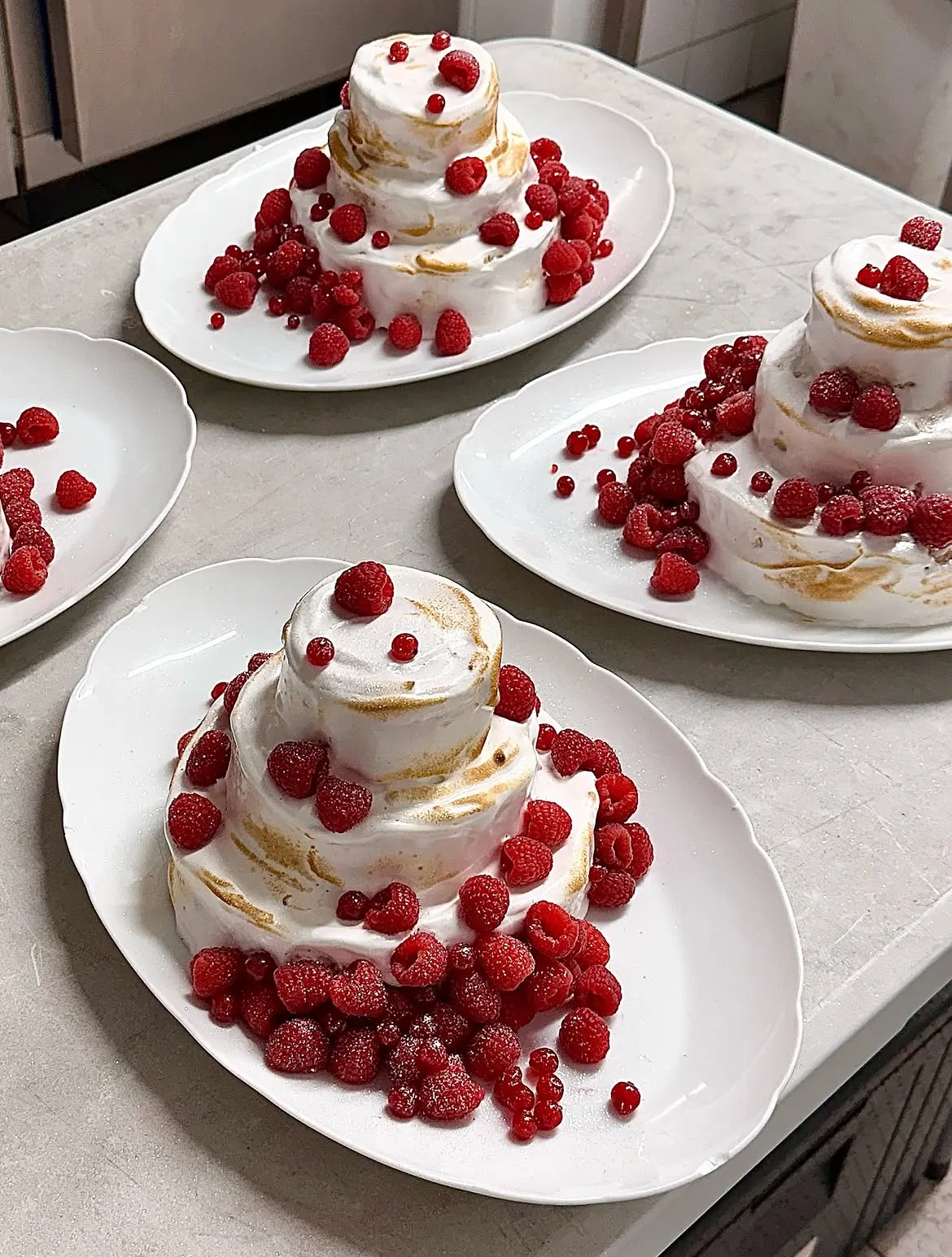
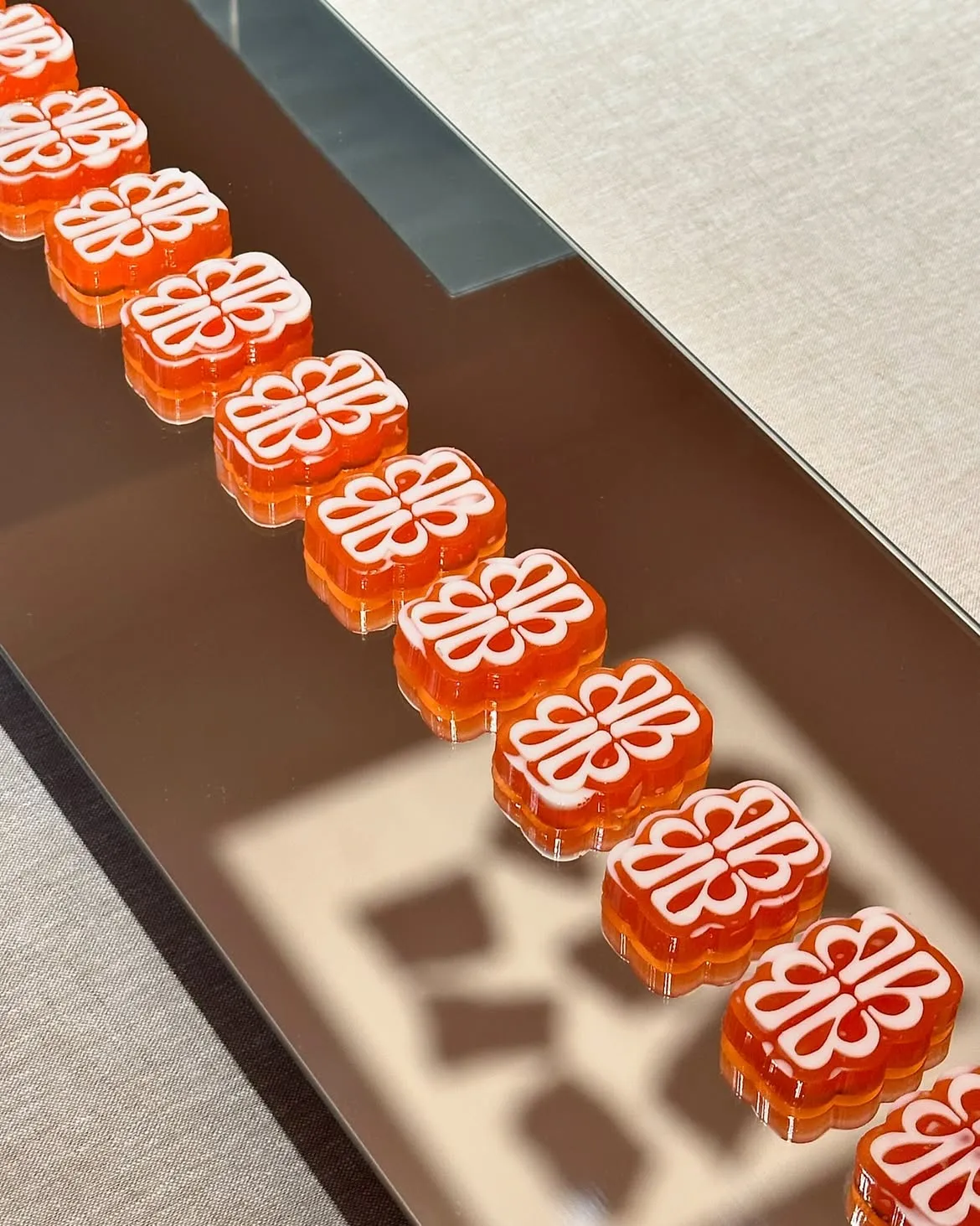
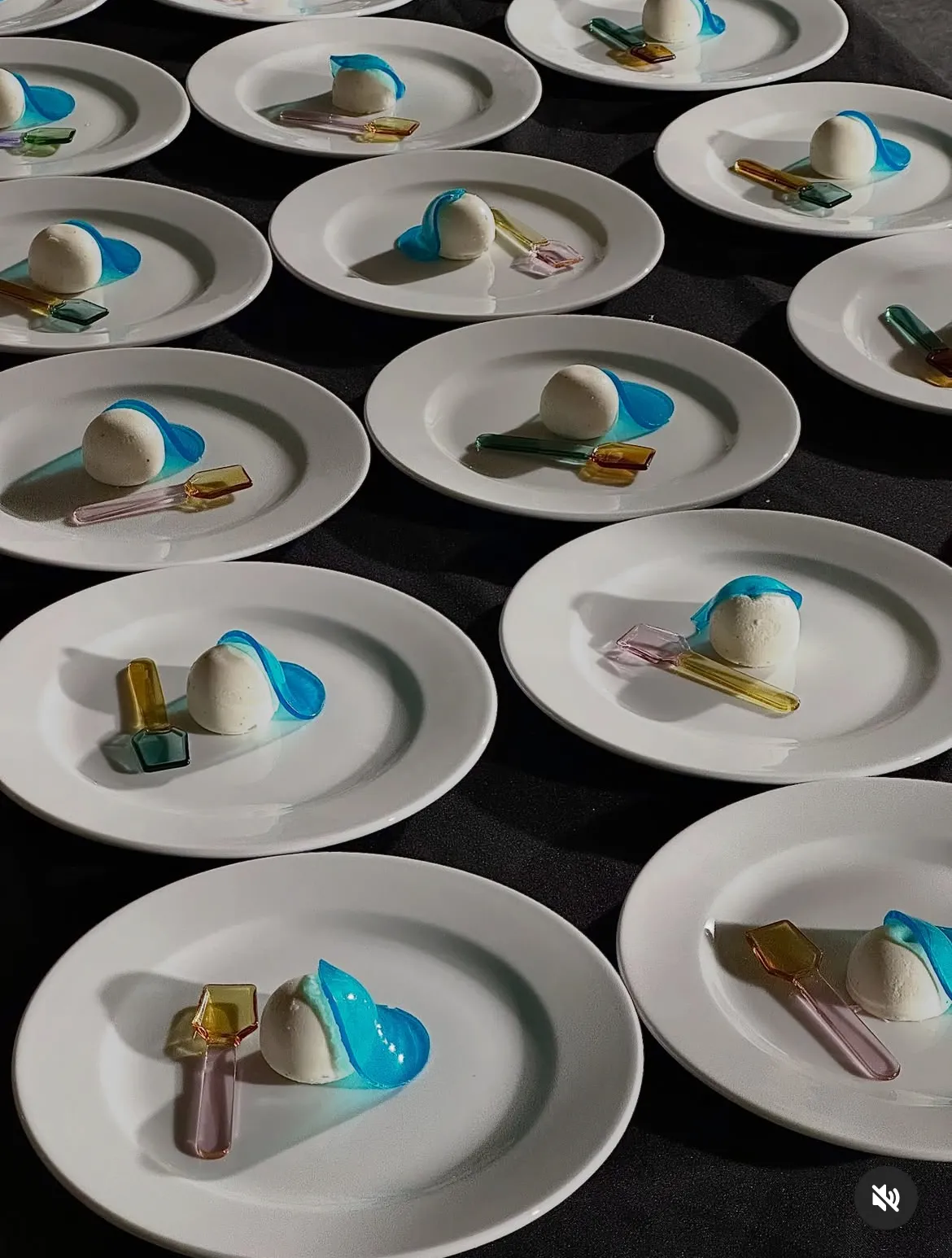
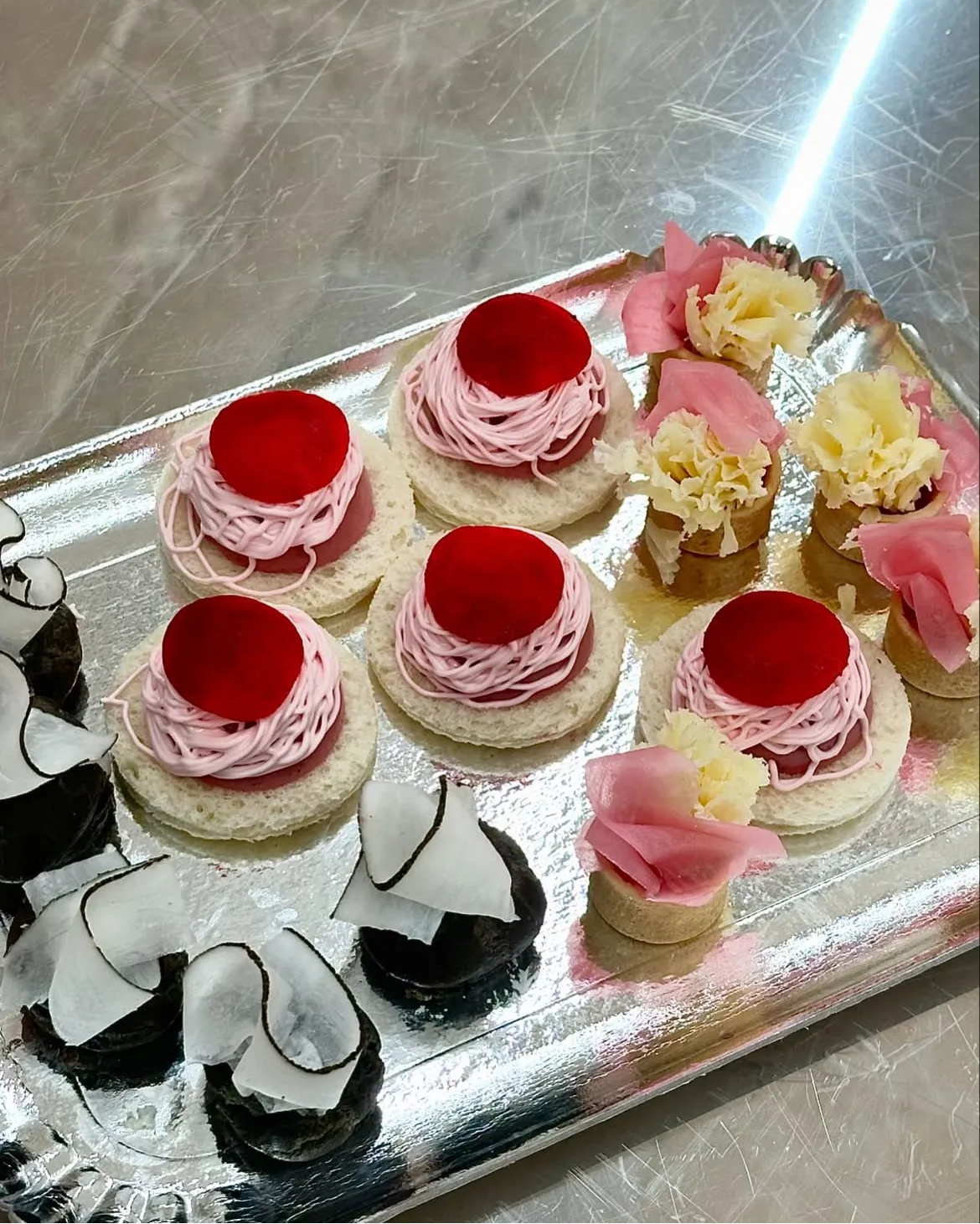
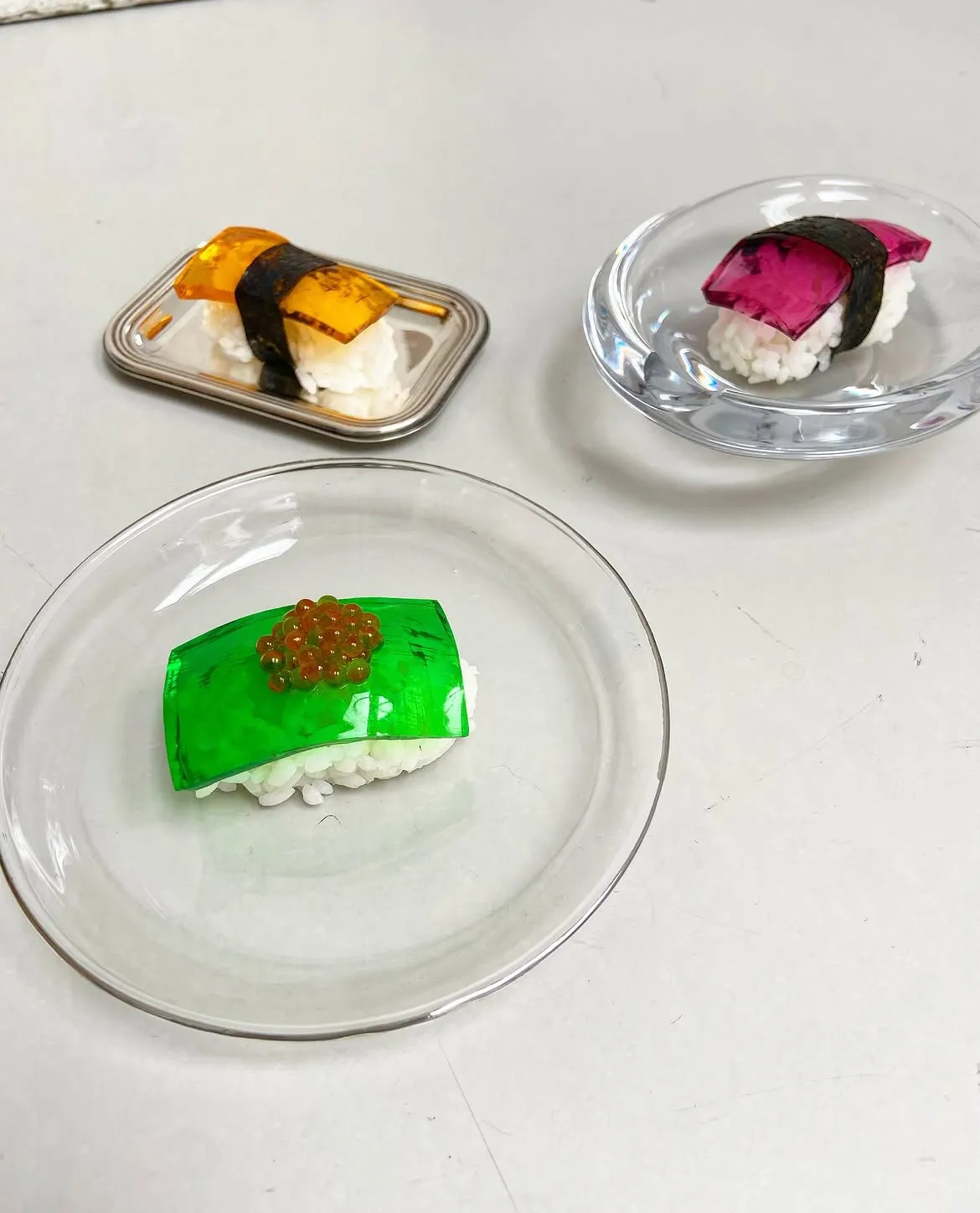
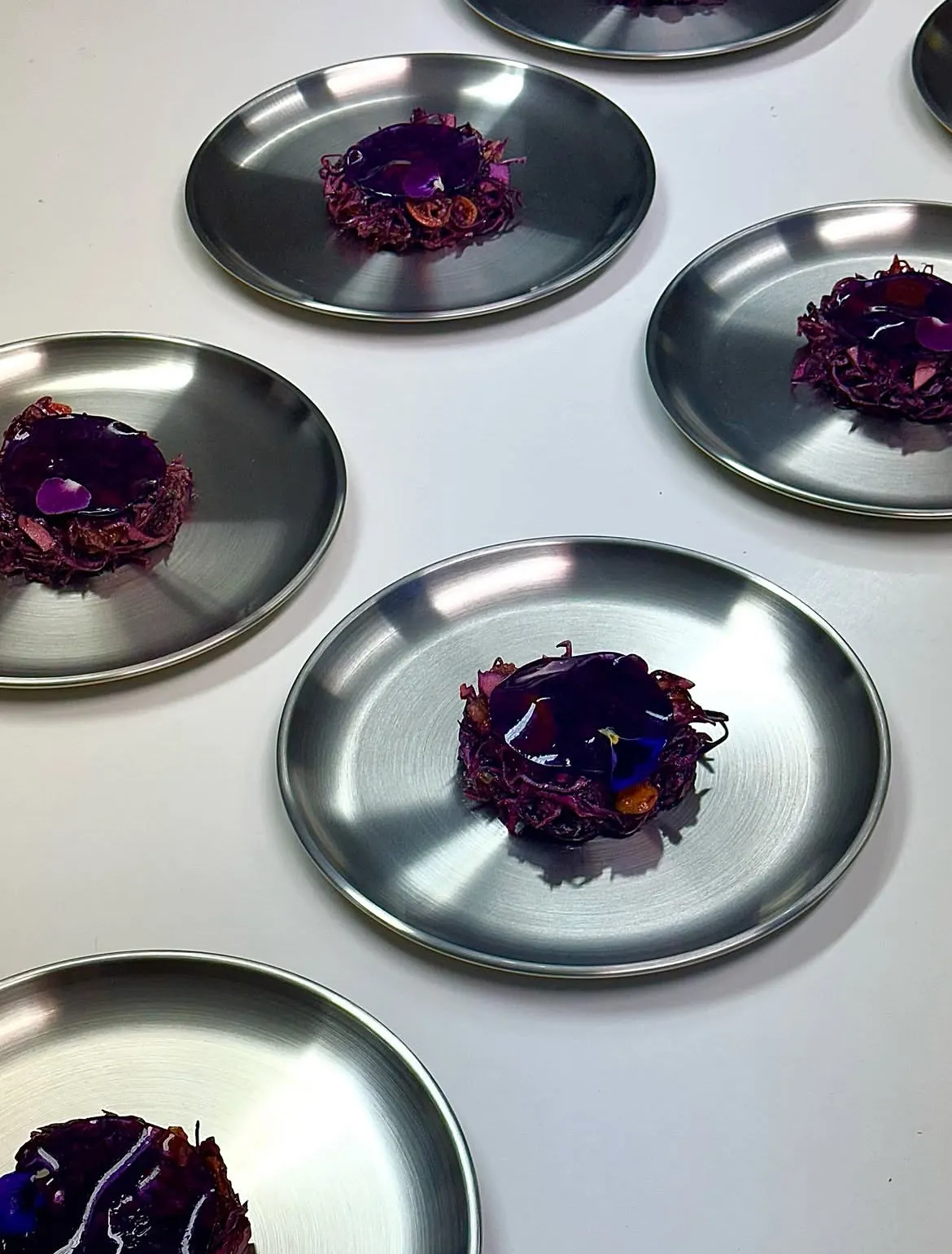
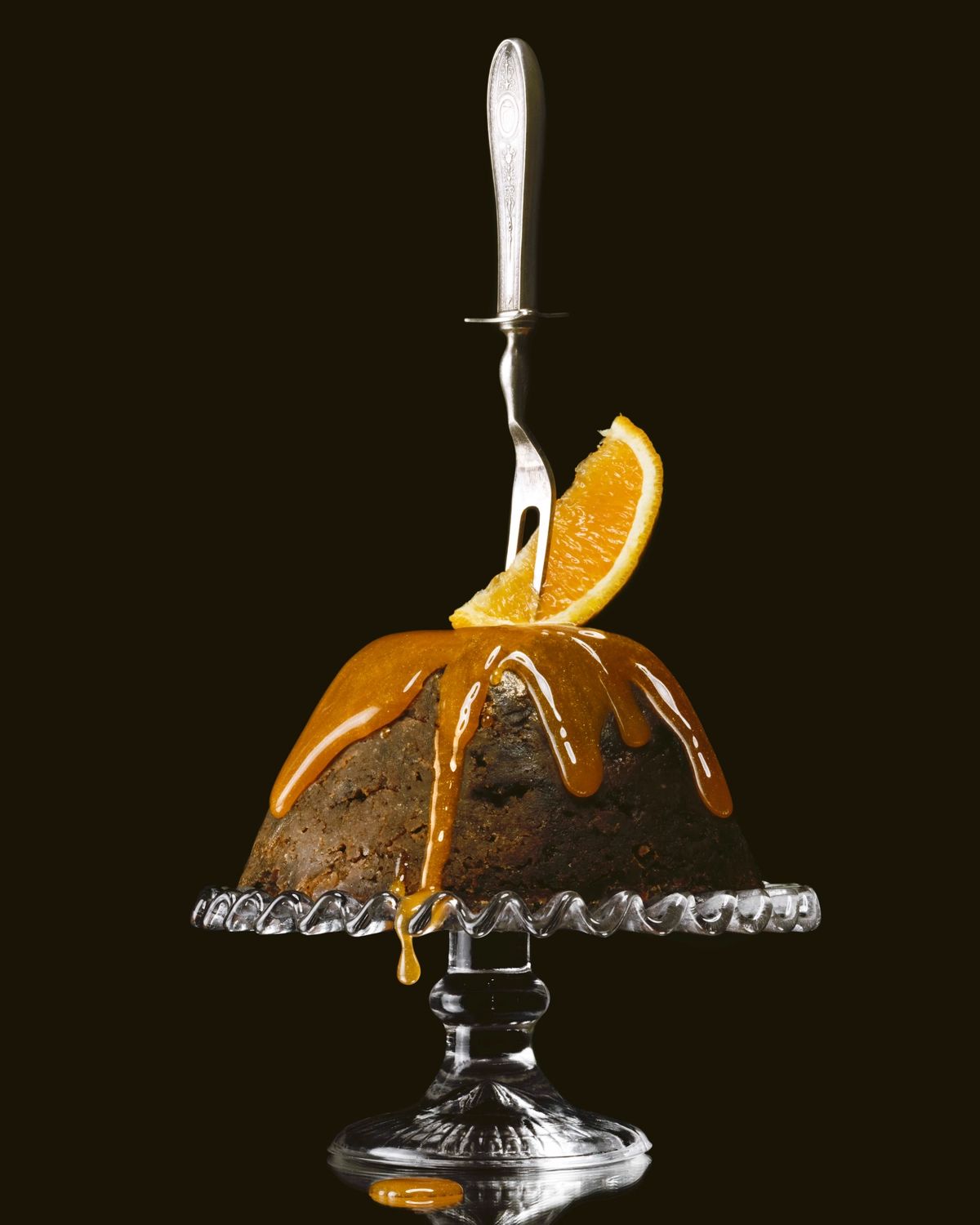
That distinction is visible in the work. A canapé might borrow its shape or colour from a collection. A jelly can become translucent architecture. A cake can function almost like a prop. The food has to taste good, but it also has to belong visually to the world around it.
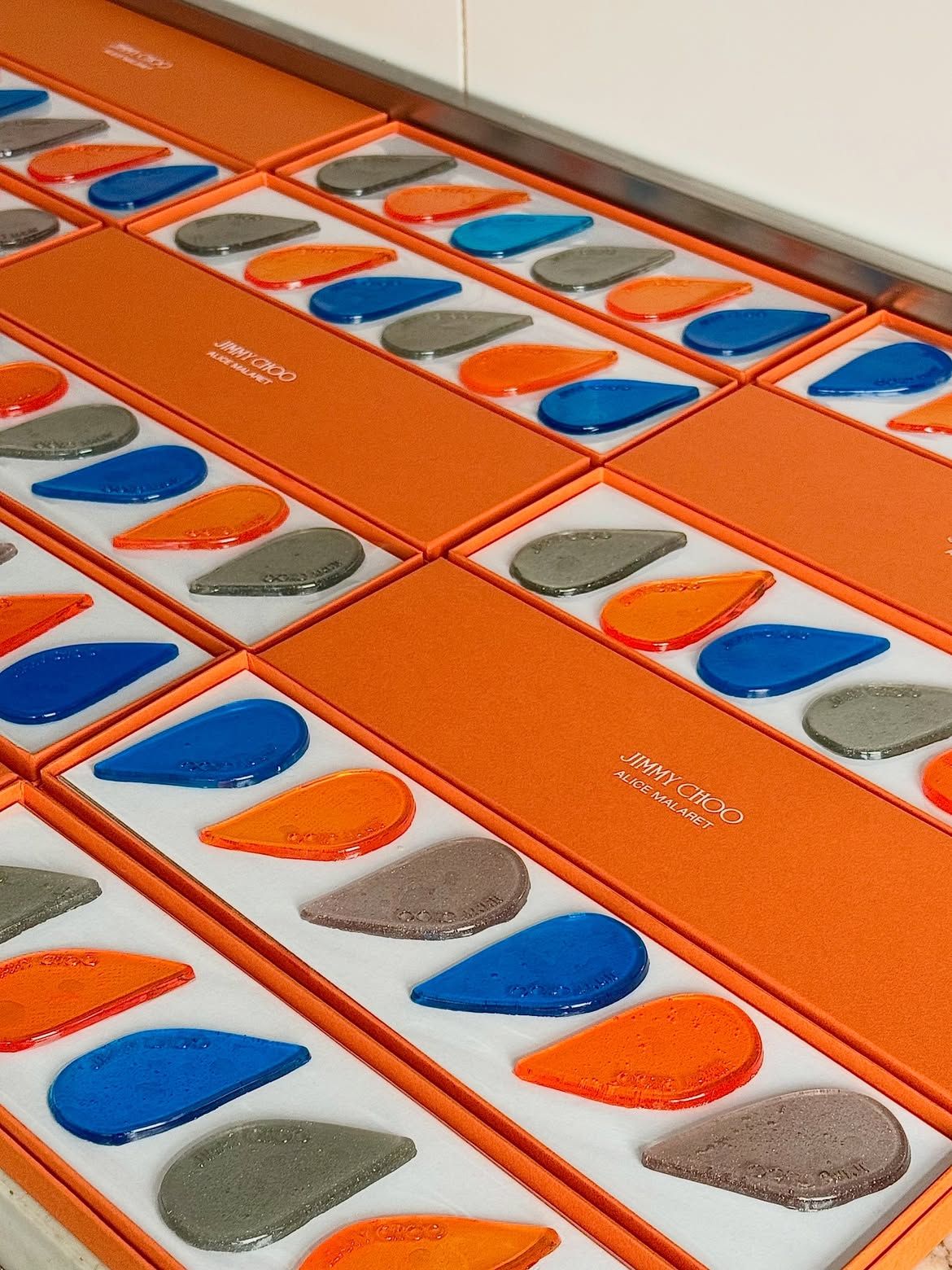
Malaret herself has been clear about that hierarchy. In a recent interview, she explained that beauty matters, but that taste remains number one. Her aim is to create a moment of surprise and curiosity, while making sure that the experience still works as food.
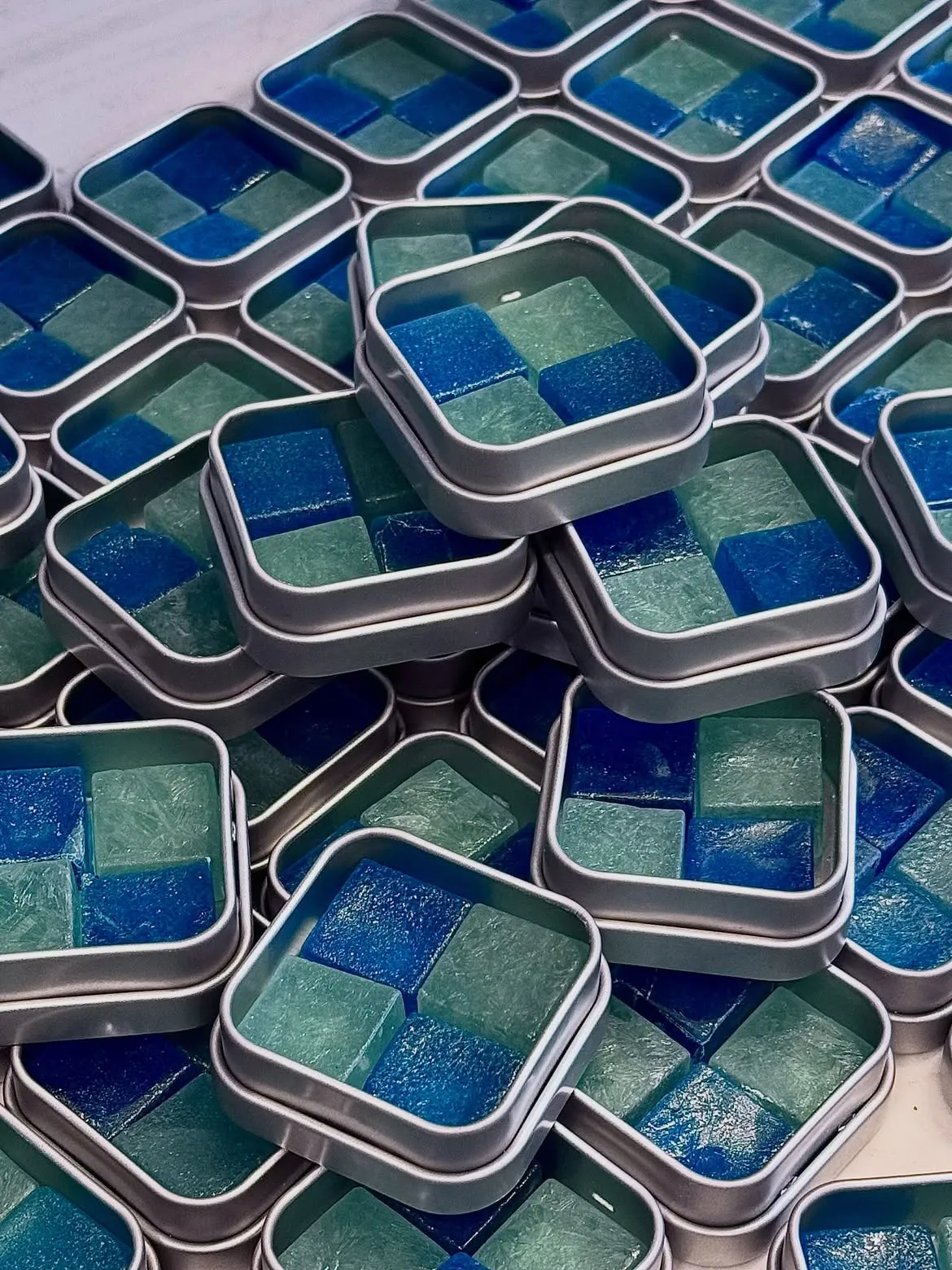
Jelly has become one of her recurring materials. Its glossy, translucent quality makes it particularly useful for her approach, somewhere between dessert and sculpture. It appeared prominently in her work for Miu Miu and in the Dazed Beauty MUKBANG project, where she created edible elements including blue udon noodles, jelly noodles, coloured eggs and soups to match a deliberately heightened visual universe.
The food is not decoration for the image. It is part of the image.
When Fashion Comes to the Table
The relationship with fashion makes perfect sense.
Fashion brands already think in terms of colour palettes, materials, silhouettes, references and worlds. Malaret simply translates those codes into another medium.
For Miu Miu’s Spring/Summer 2026 presentation, for example, her studio created miniature bites inspired by the collection, using bold colours and sharp forms. Earlier Miu Miu projects included heart-shaped cheesecake and chocolate, raspberry marshmallows and cake pops.
Louis Vuitton has also commissioned her work, while Bottega Veneta’s Spring/Summer 2026 show featured crystallised floral jellies inspired by the Murano glass seats at the presentation. The idea is particularly Malaret: taking something from the physical environment or visual identity of a collection and turning it into something edible.
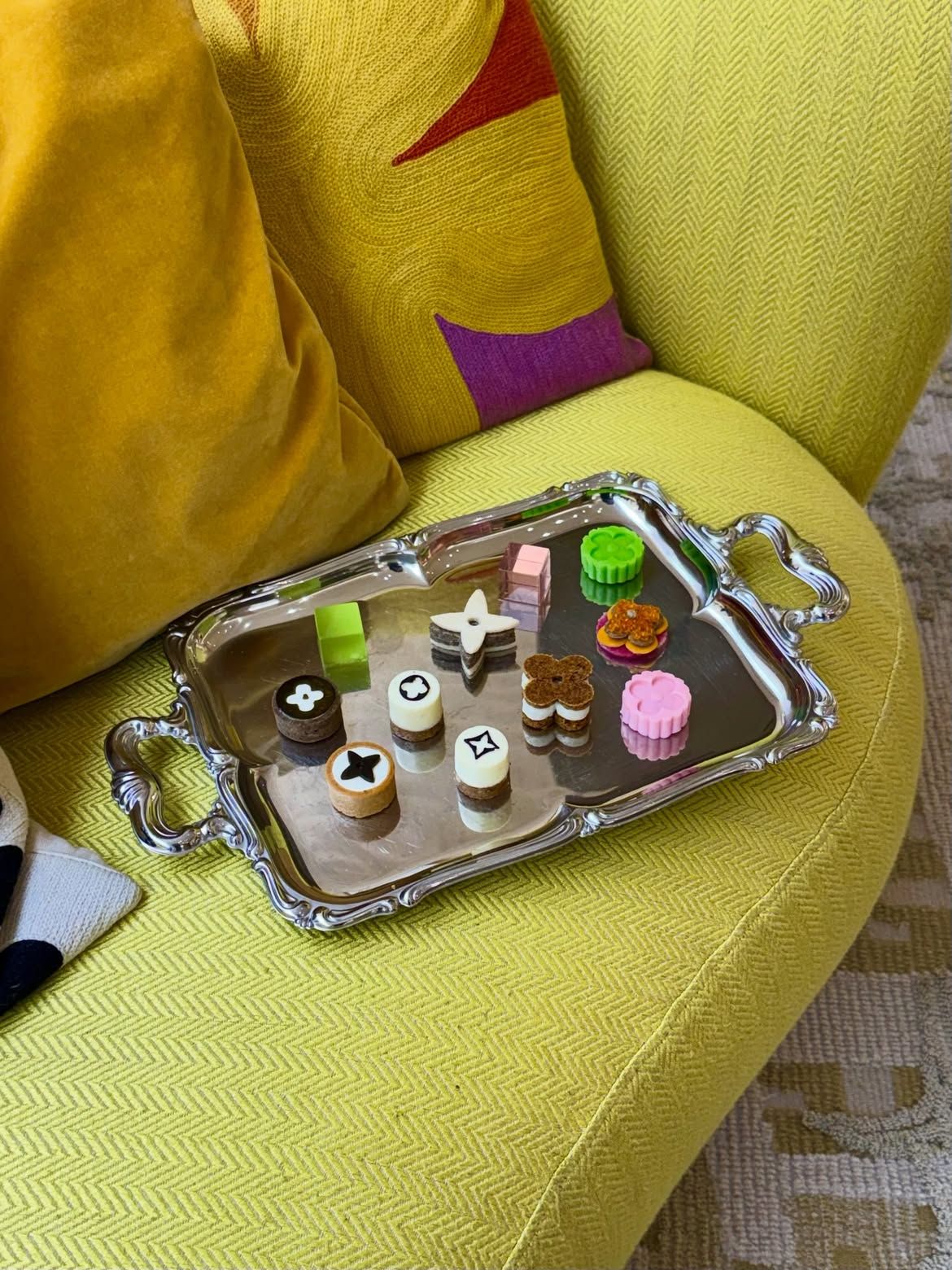
For Mugler, her work has appeared in the same fashion-food ecosystem, while other collaborations have included Cacharel and beauty projects such as the Dazed Beauty campaign.
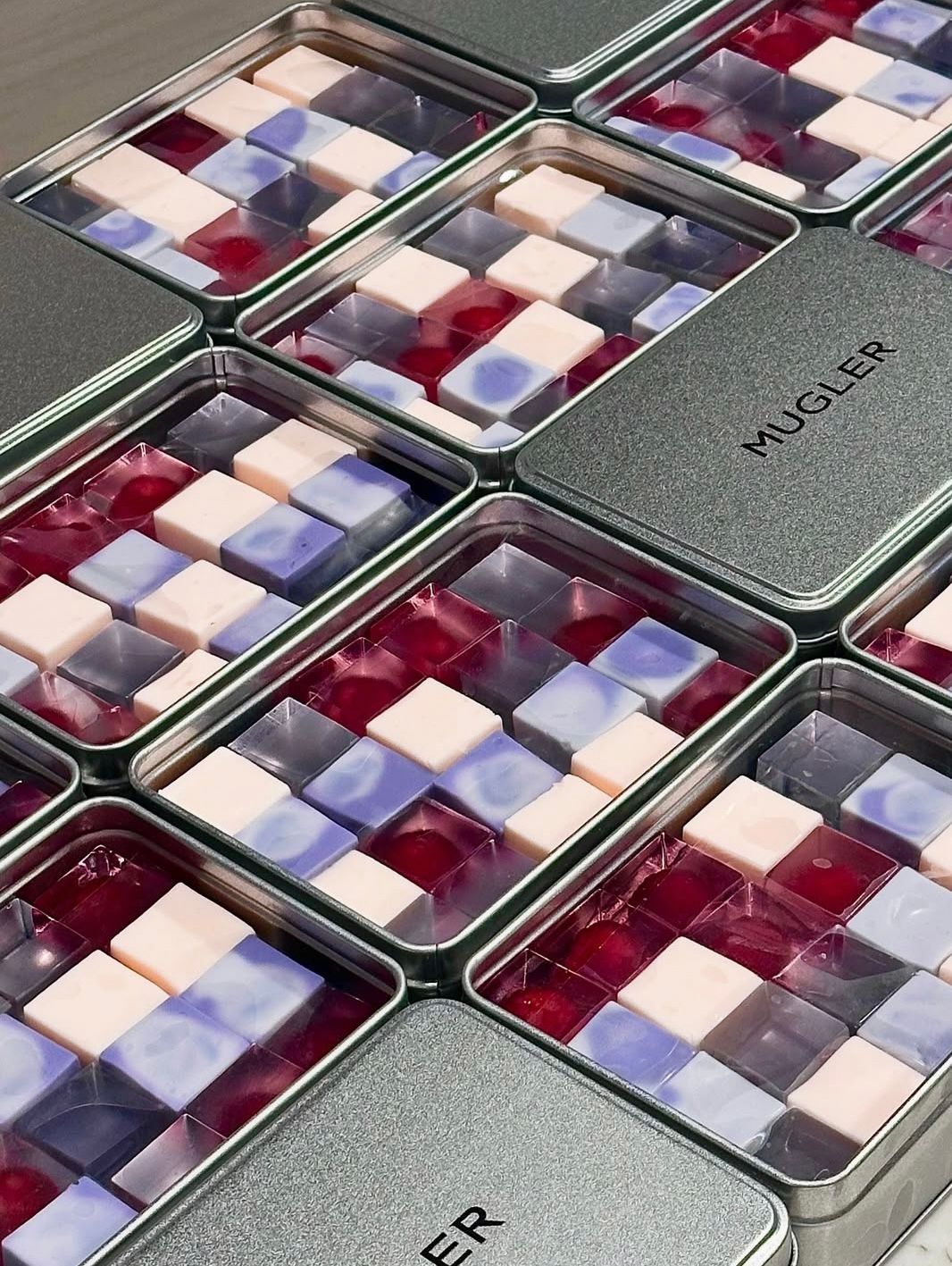
The result is food that behaves much more like fashion imagery than conventional catering. It is designed to be photographed, remembered and associated with a particular brand universe.
The New Luxury Is Something You Can Eat
There is a reason this kind of work is becoming increasingly visible.
Luxury brands have spent years moving beyond products and towards experiences. A collection is no longer confined to clothes in a showroom. It can become a dinner, an installation, a scent, a playlist or a carefully staged moment designed to exist both in real life and on a screen.
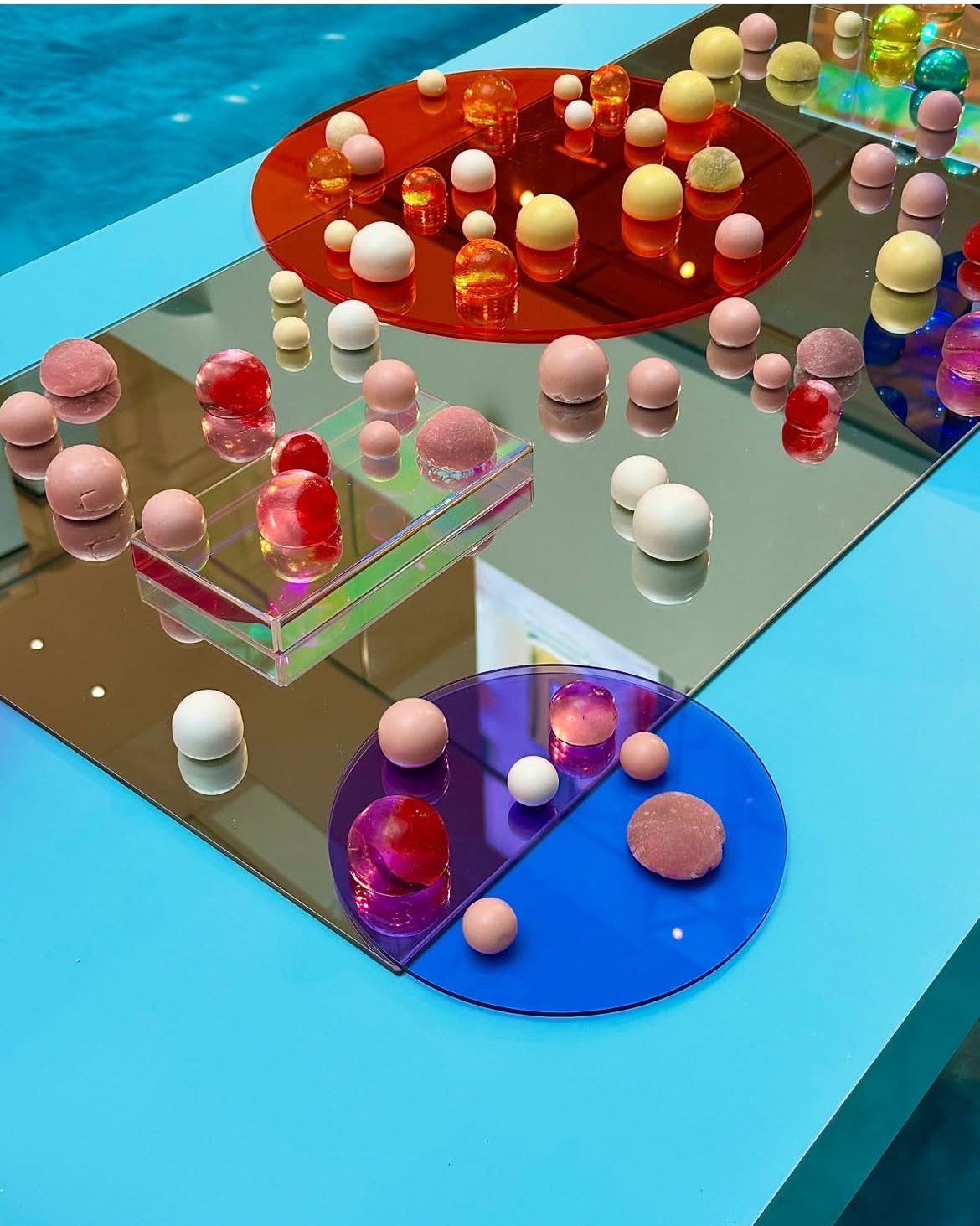
Food is particularly powerful in that equation because it activates more than one sense at once.
Malaret’s work understands this instinctively. Her creations are intensely visual, but they are also temporary. A jelly is beautiful precisely because it will be eaten. A miniature cake exists for a moment before disappearing. The photograph may survive, but the object itself does not.
That ephemerality gives the work a quality that conventional props cannot quite reproduce.
Her career also reflects a broader shift in how food itself is being understood. The food designer is no longer simply someone concerned with making a plate look attractive. The discipline now overlaps with art direction, branding, set design, hospitality and cultural storytelling.
Malaret has effectively made food into a creative medium for brands that already understand the power of image.
And perhaps the most interesting part is that she arrived there almost by accident. A café customer, a catering request, one fashion house, and suddenly the table became a very different kind of canvas.
In pictures Image 1 of 13
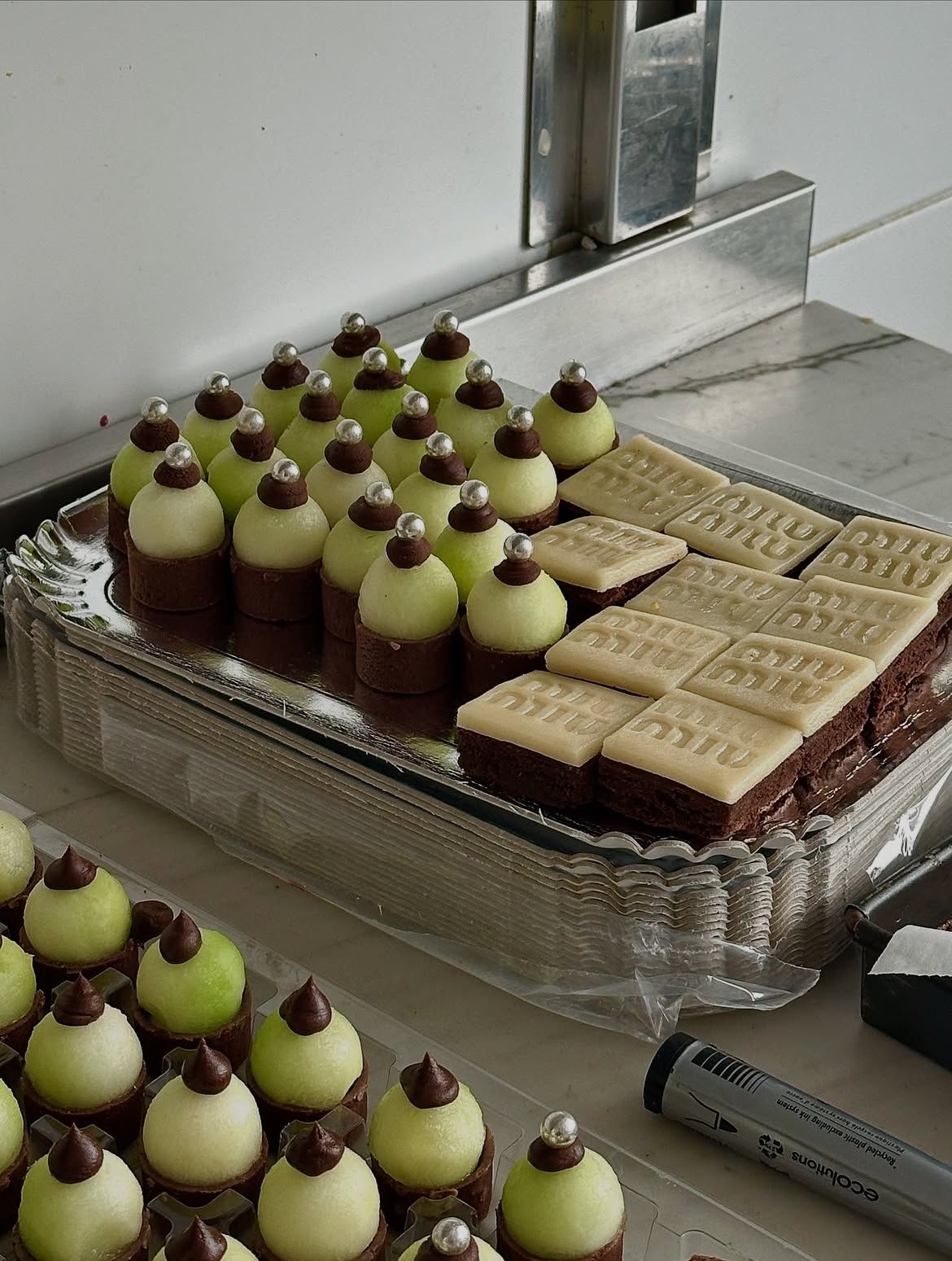
Photo: Alice Malaret 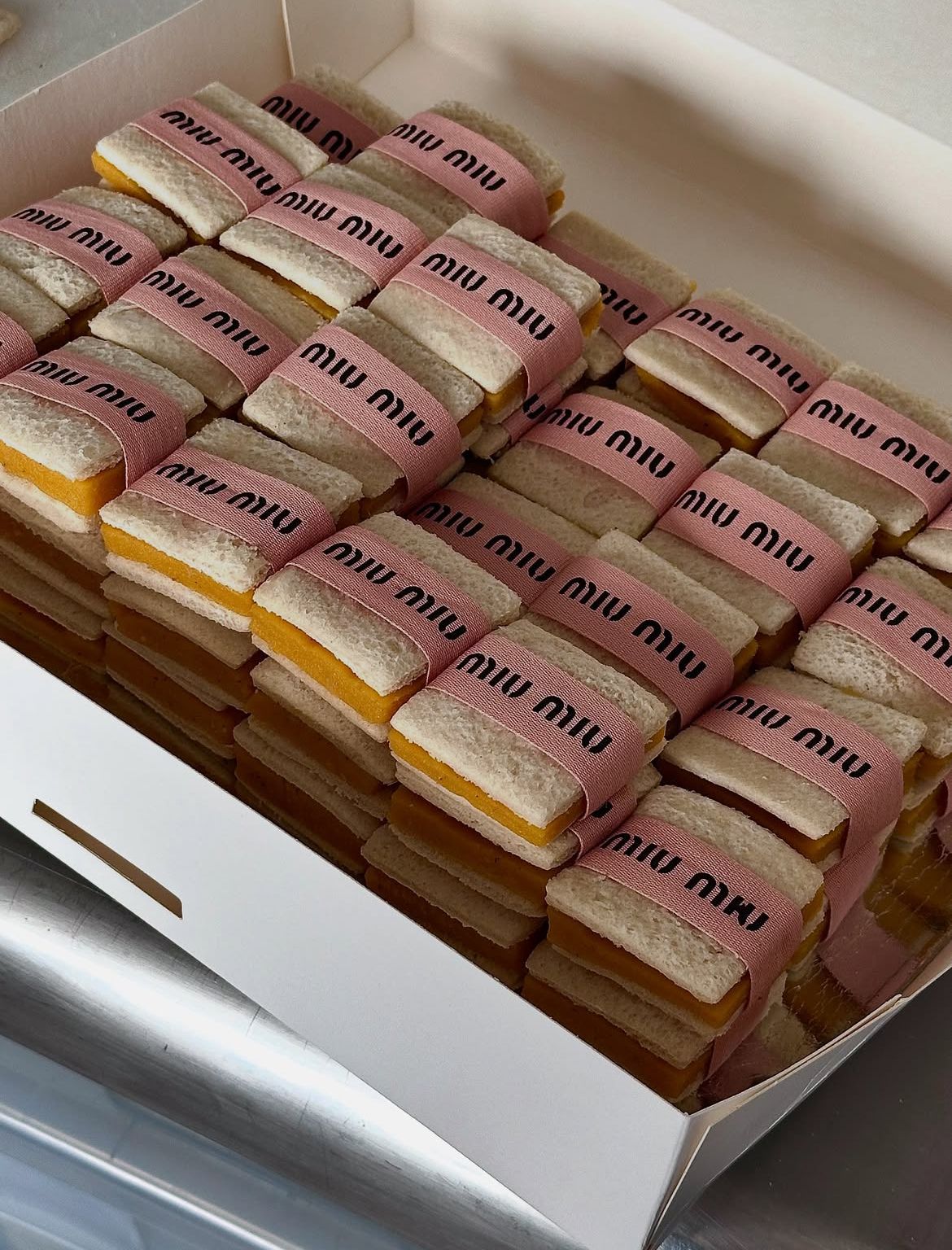
Photo: Alice Malaret 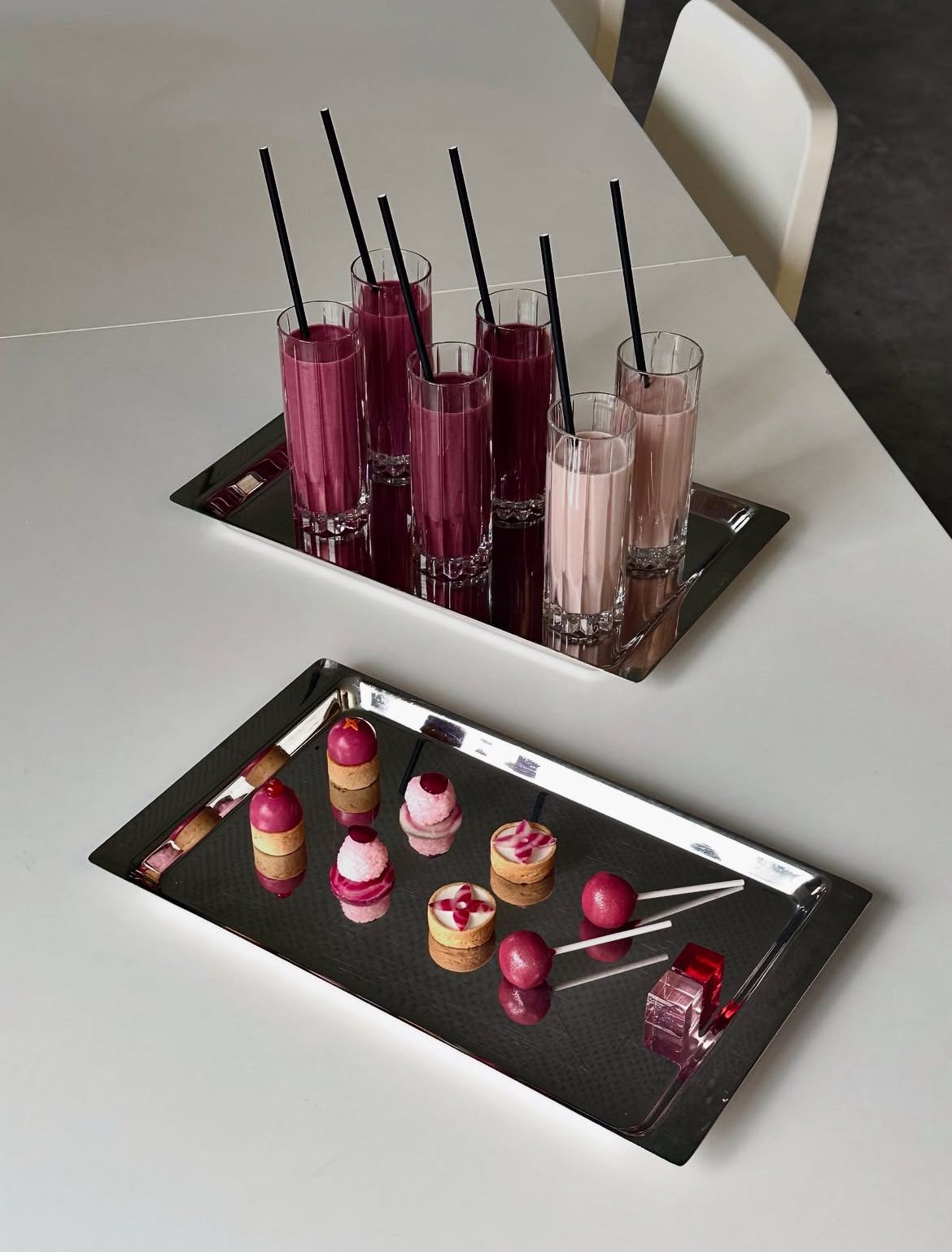
Photo: Alice Malaret 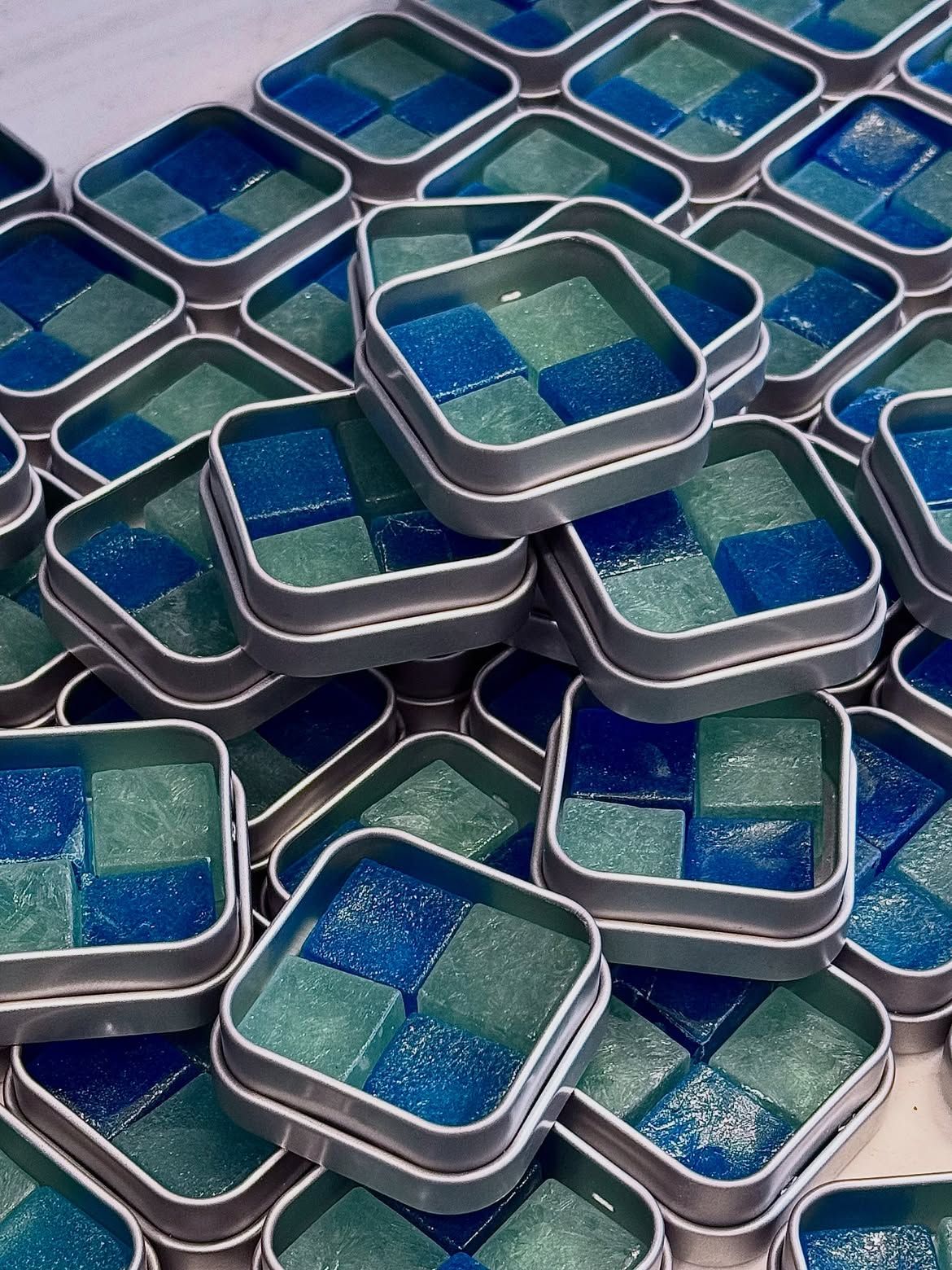
Photo: Alice Malaret 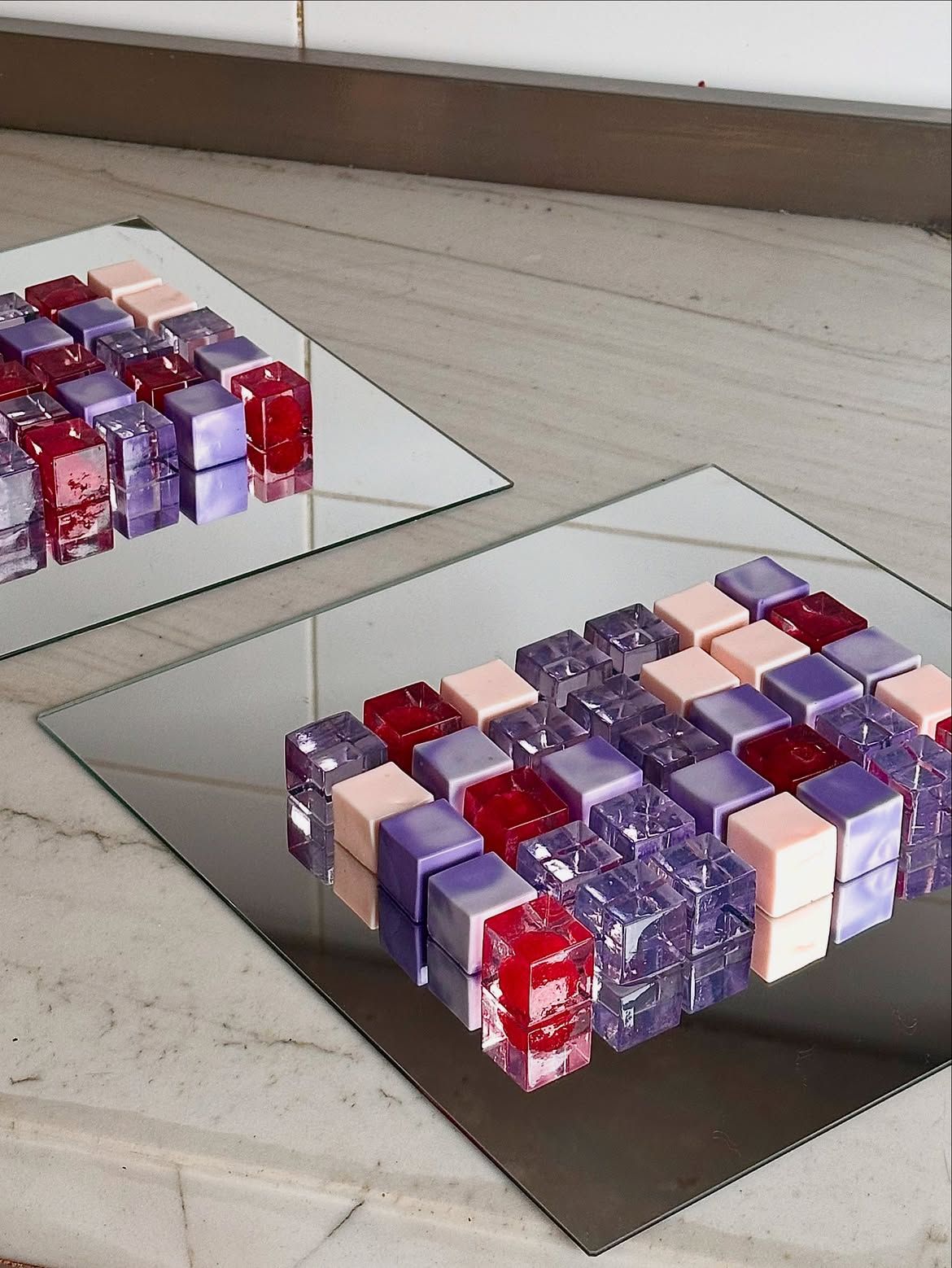
Photo: Alice Malaret 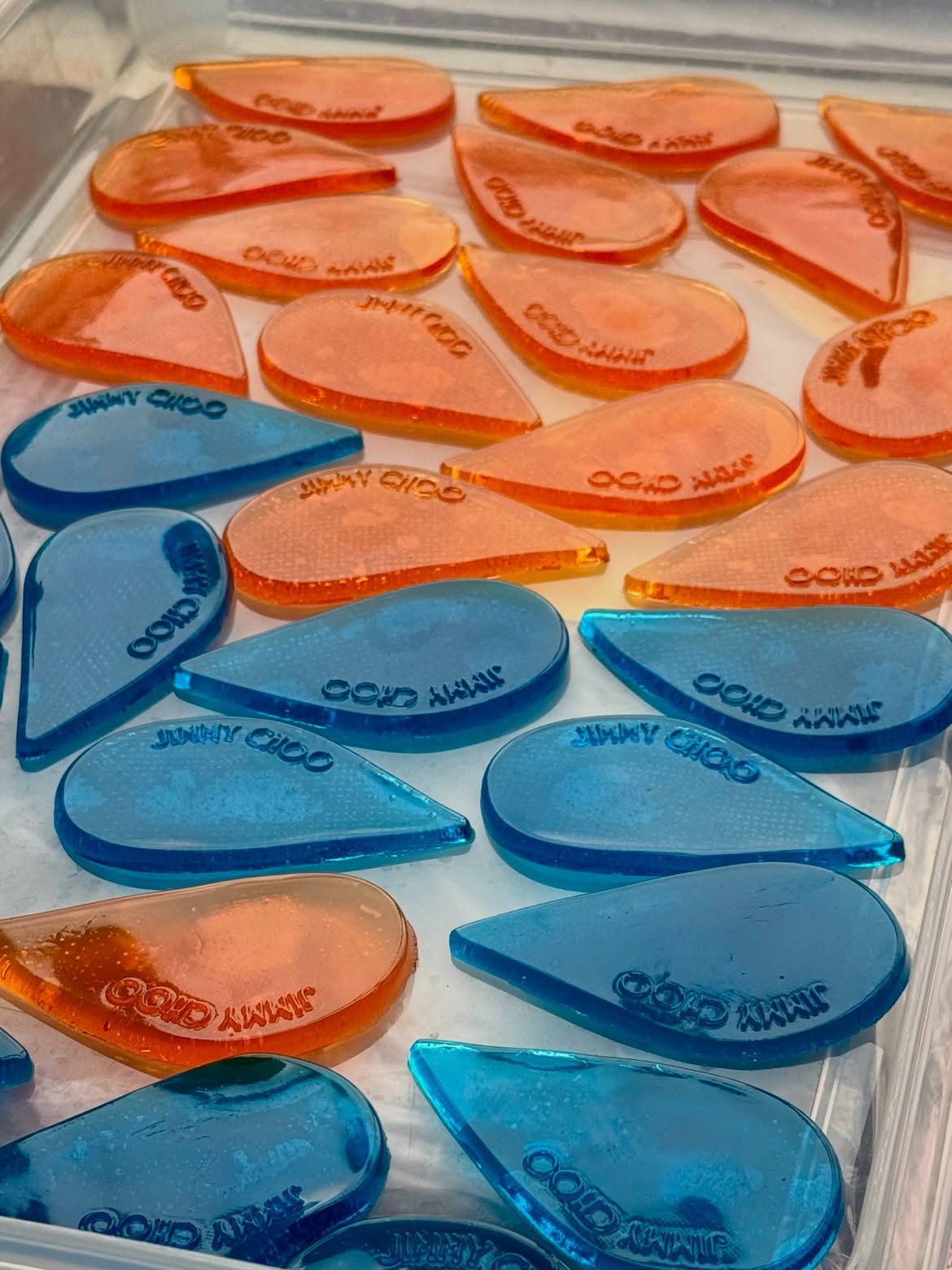
Photo: Alice Malaret 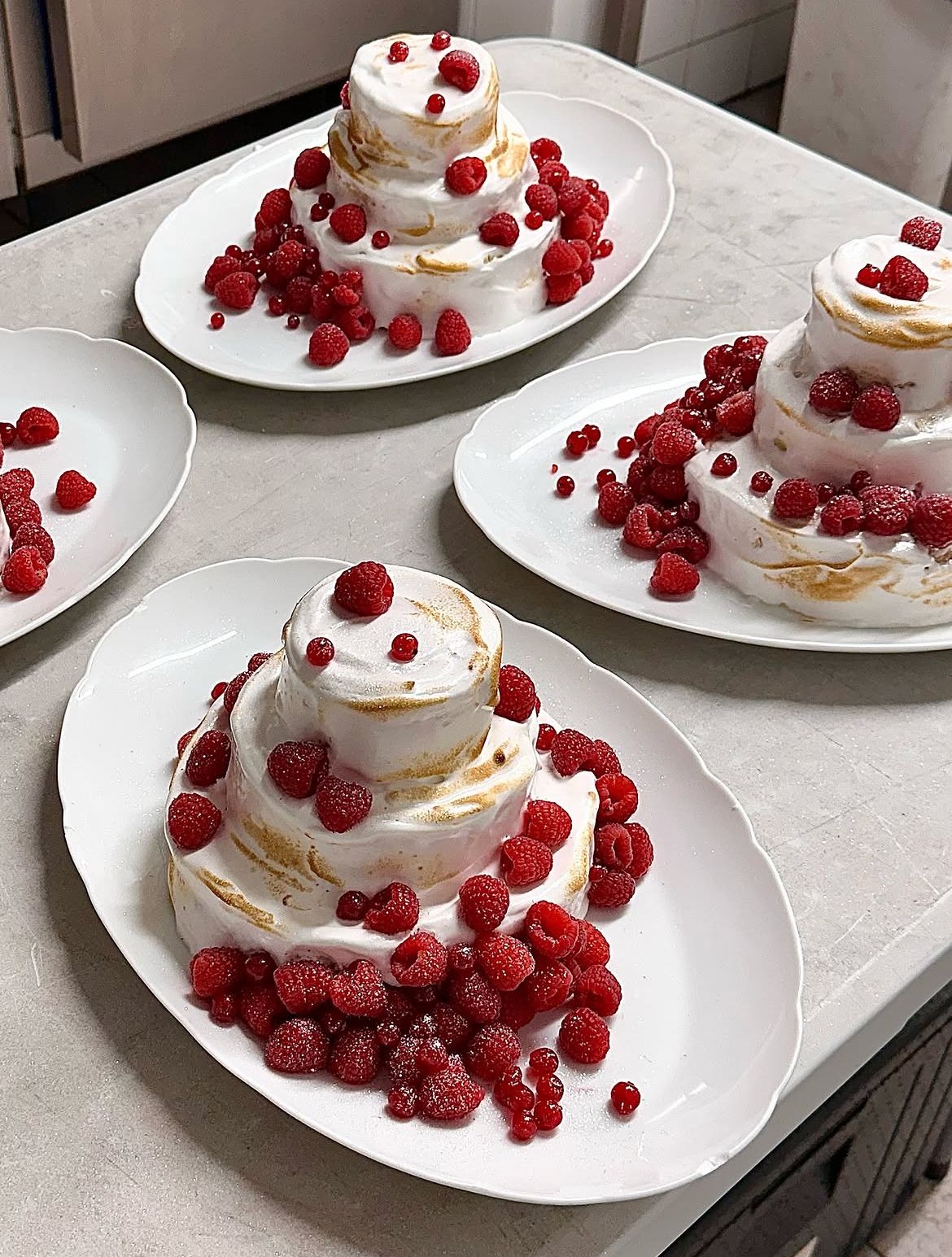
Photo: Alice Malaret 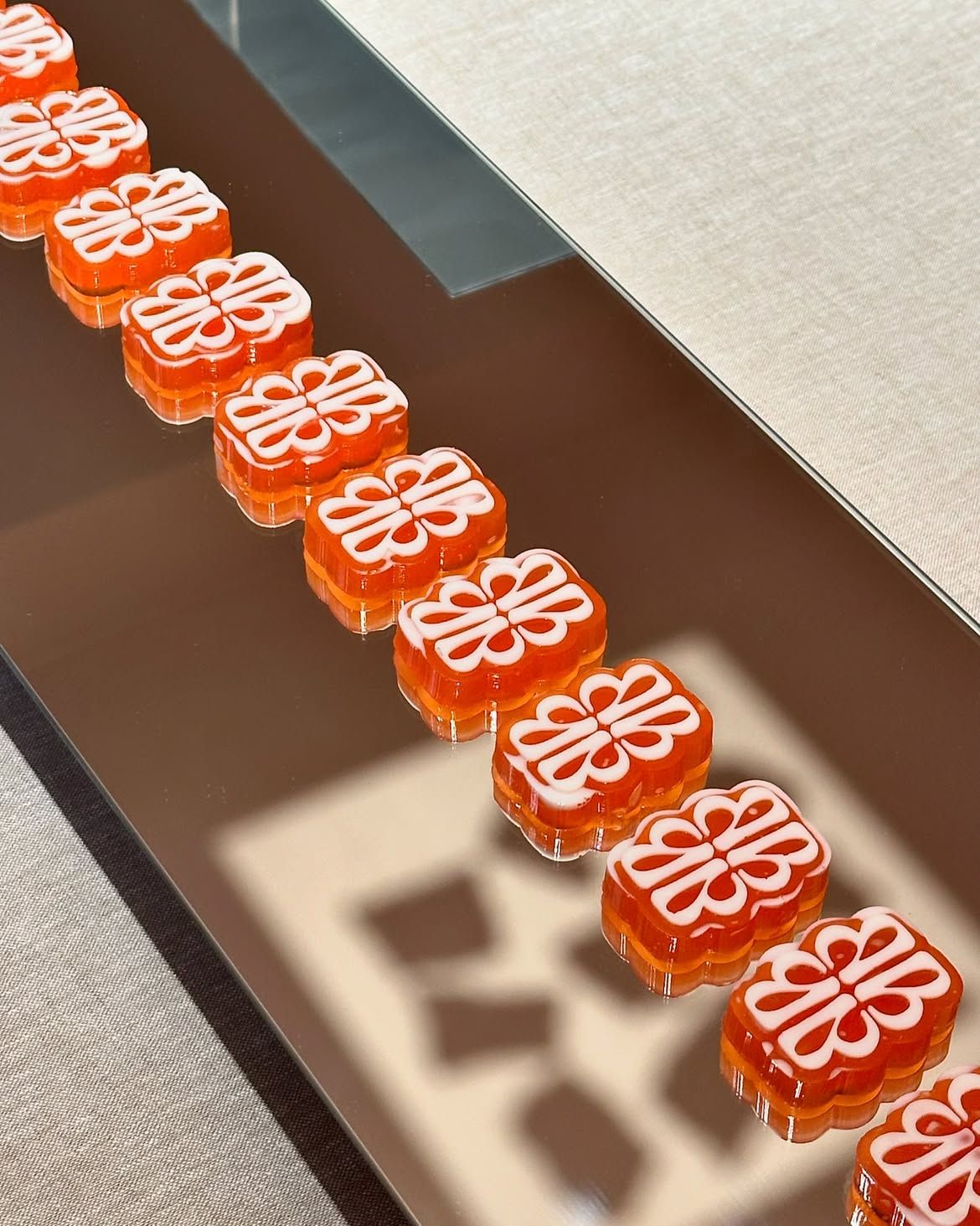
Photo: Alice Malaret 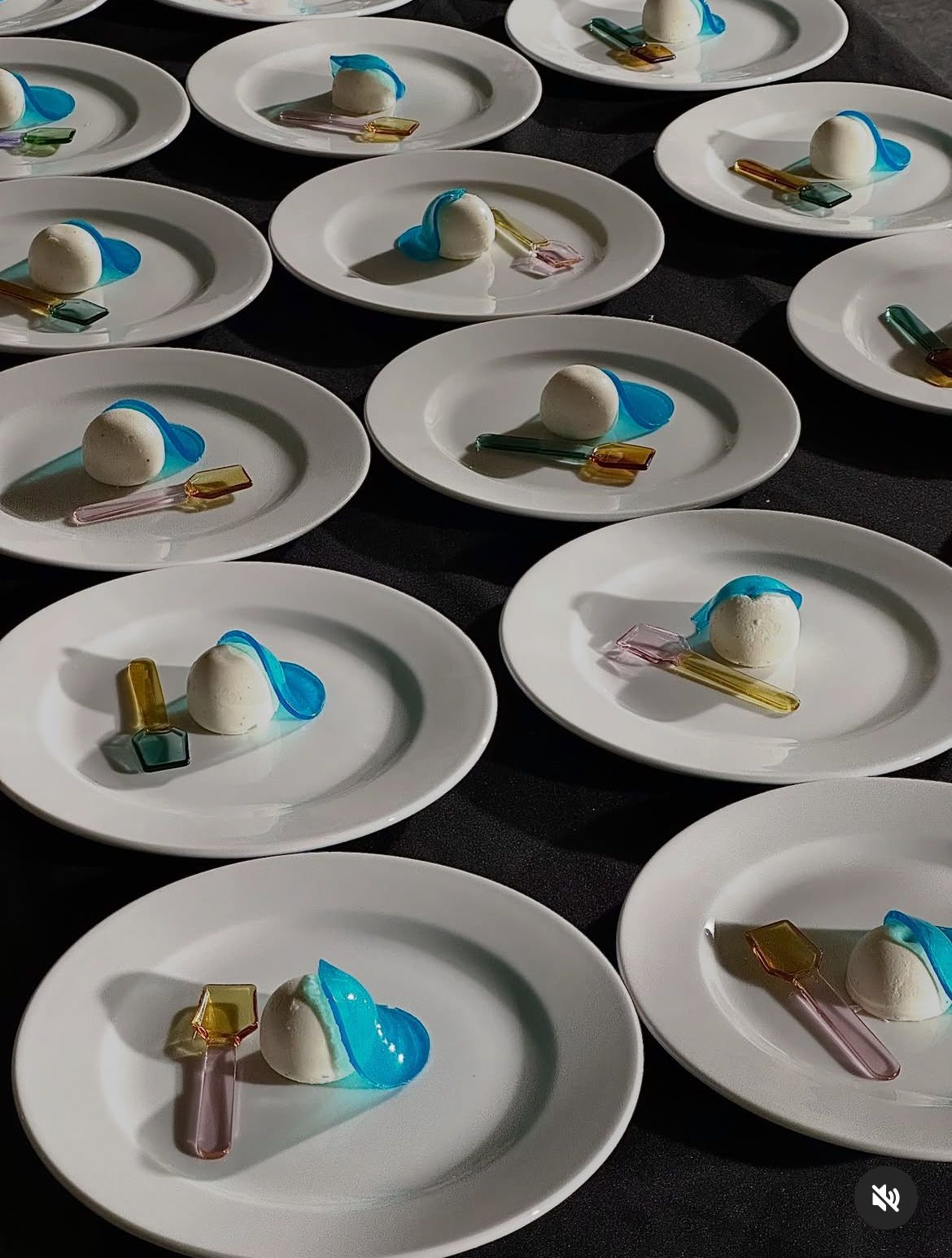
Photo: Alice Malaret 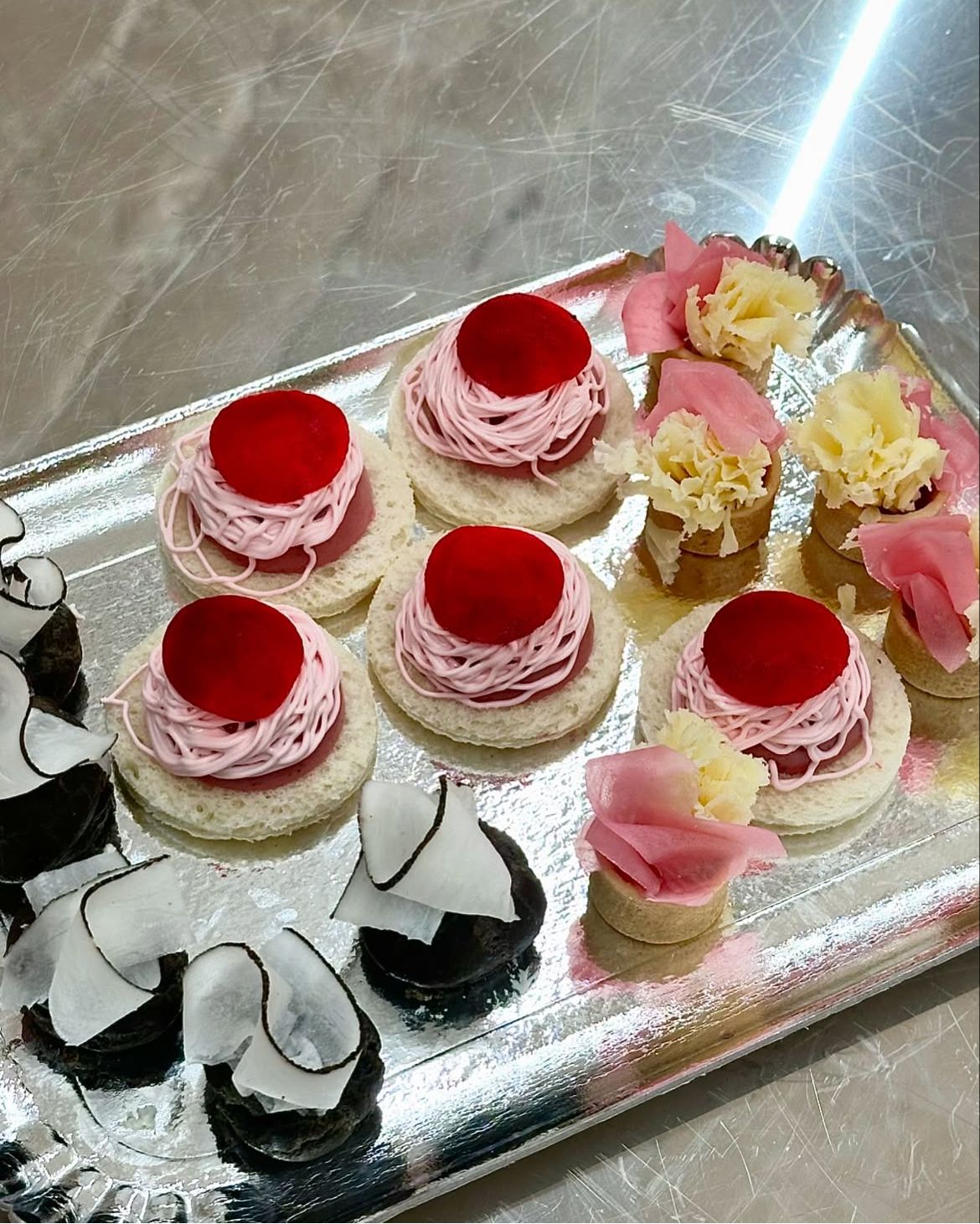
Photo: Alice Malaret 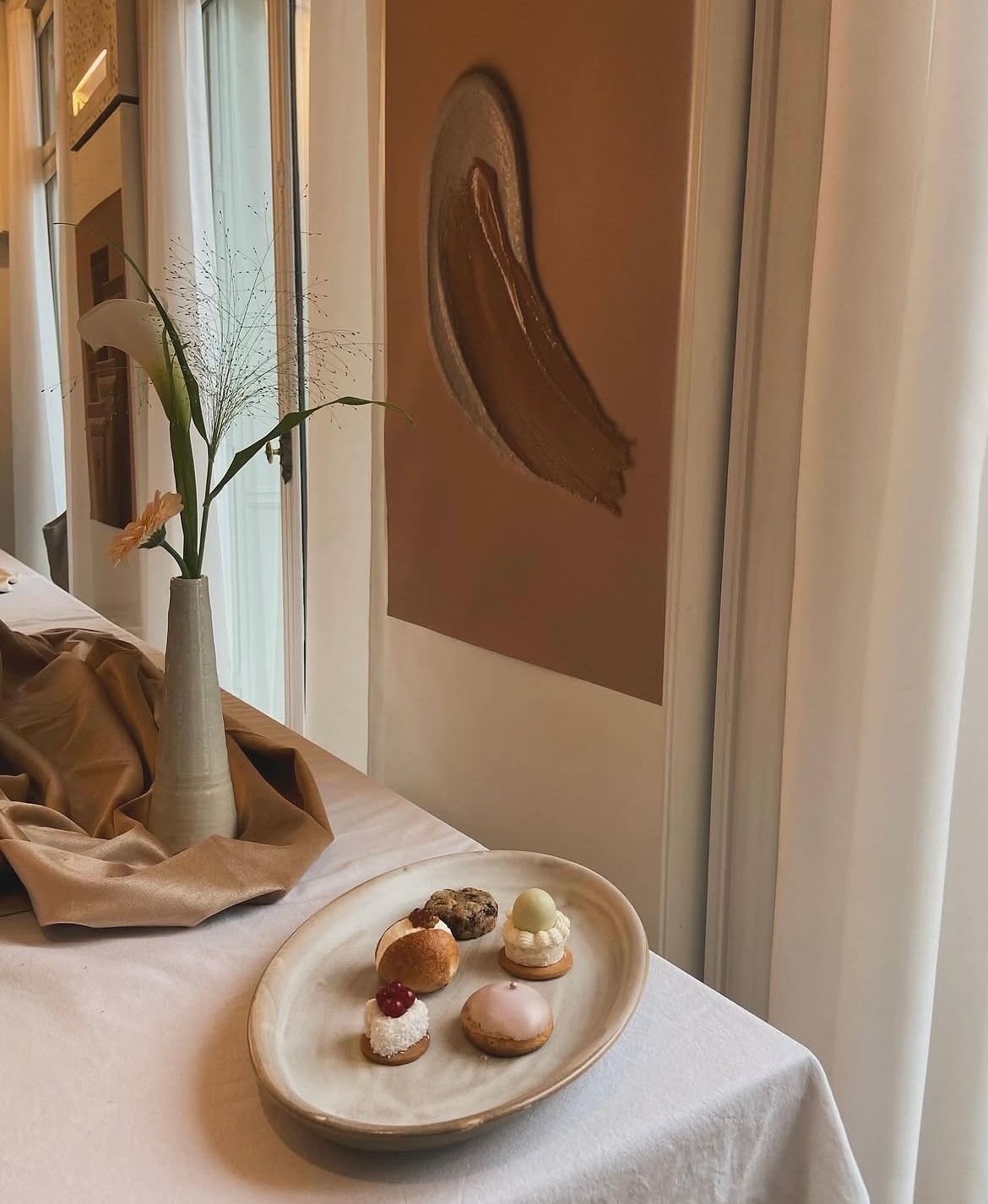
Photo: Alice Malaret 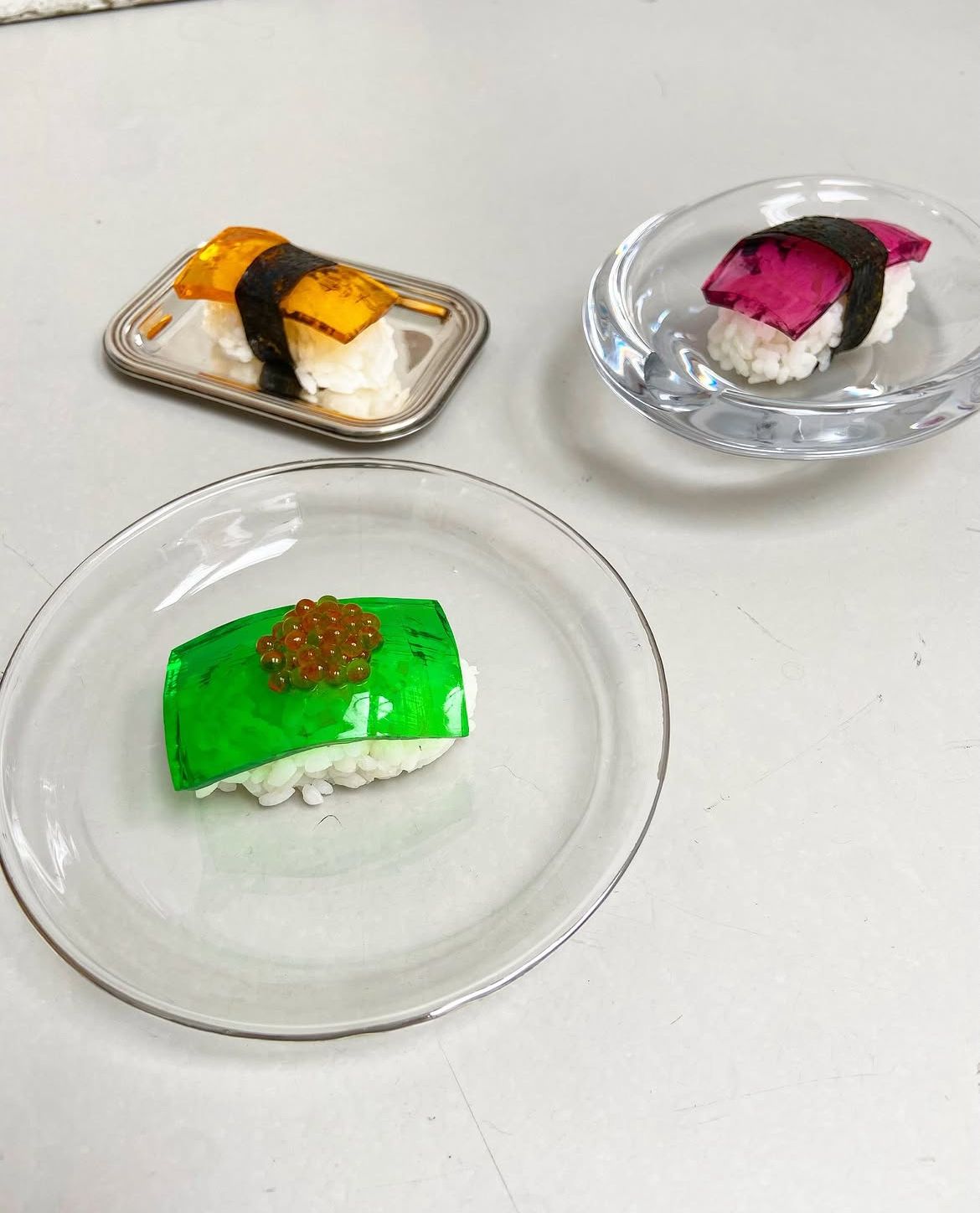
Photo: Alice Malaret 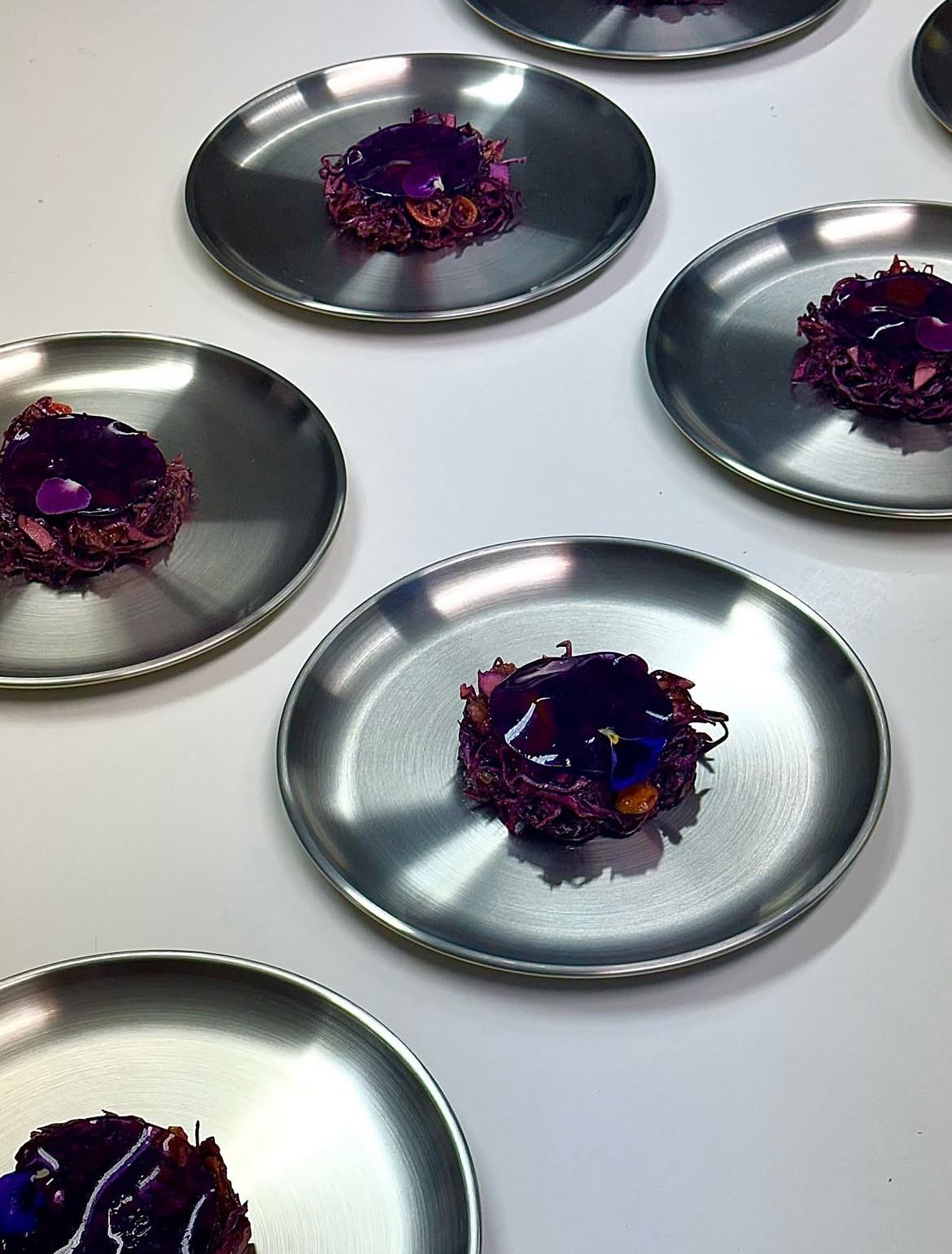
Photo: Alice Malaret