Why Everyone Is Talking About Chef Martina Puigvert
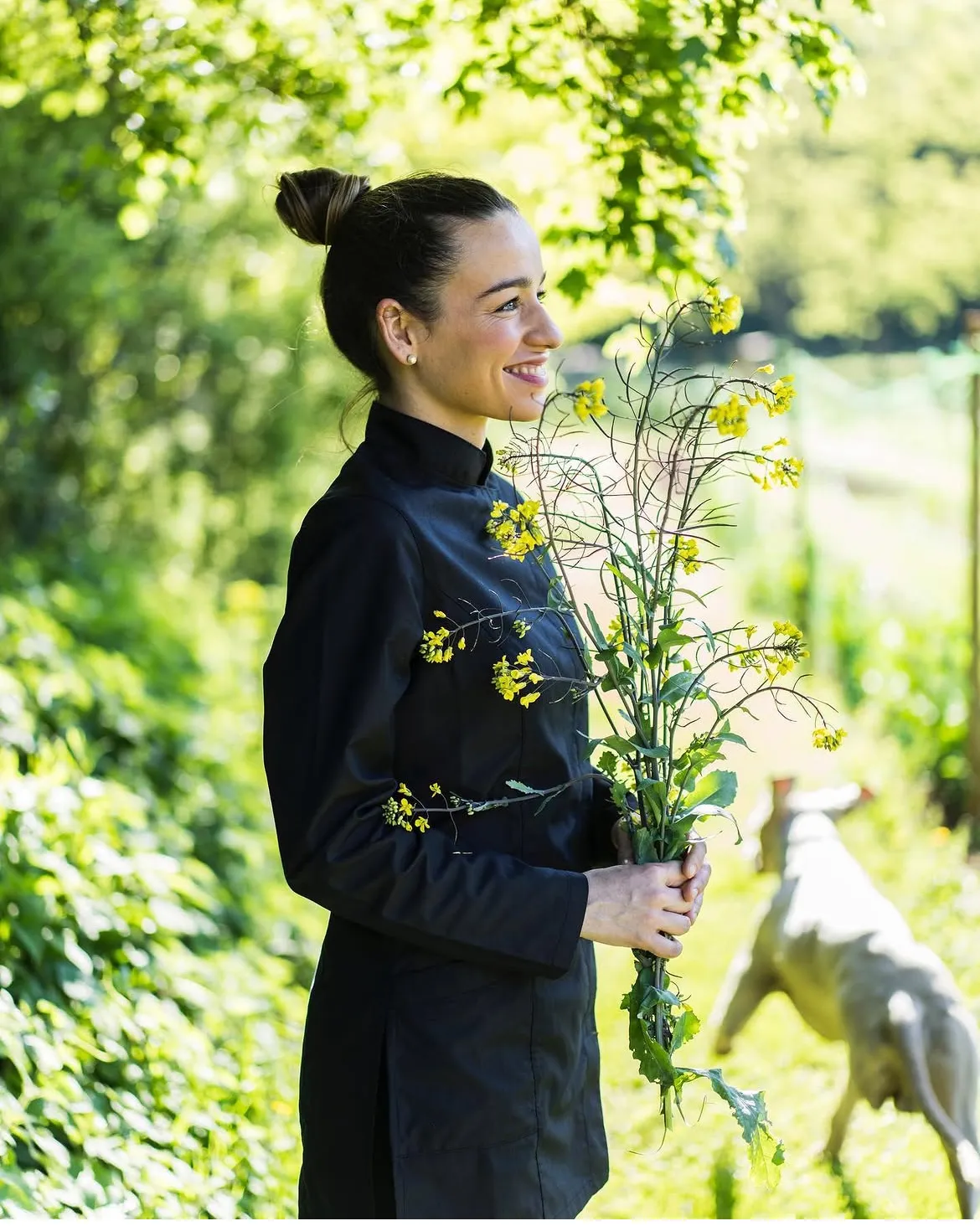
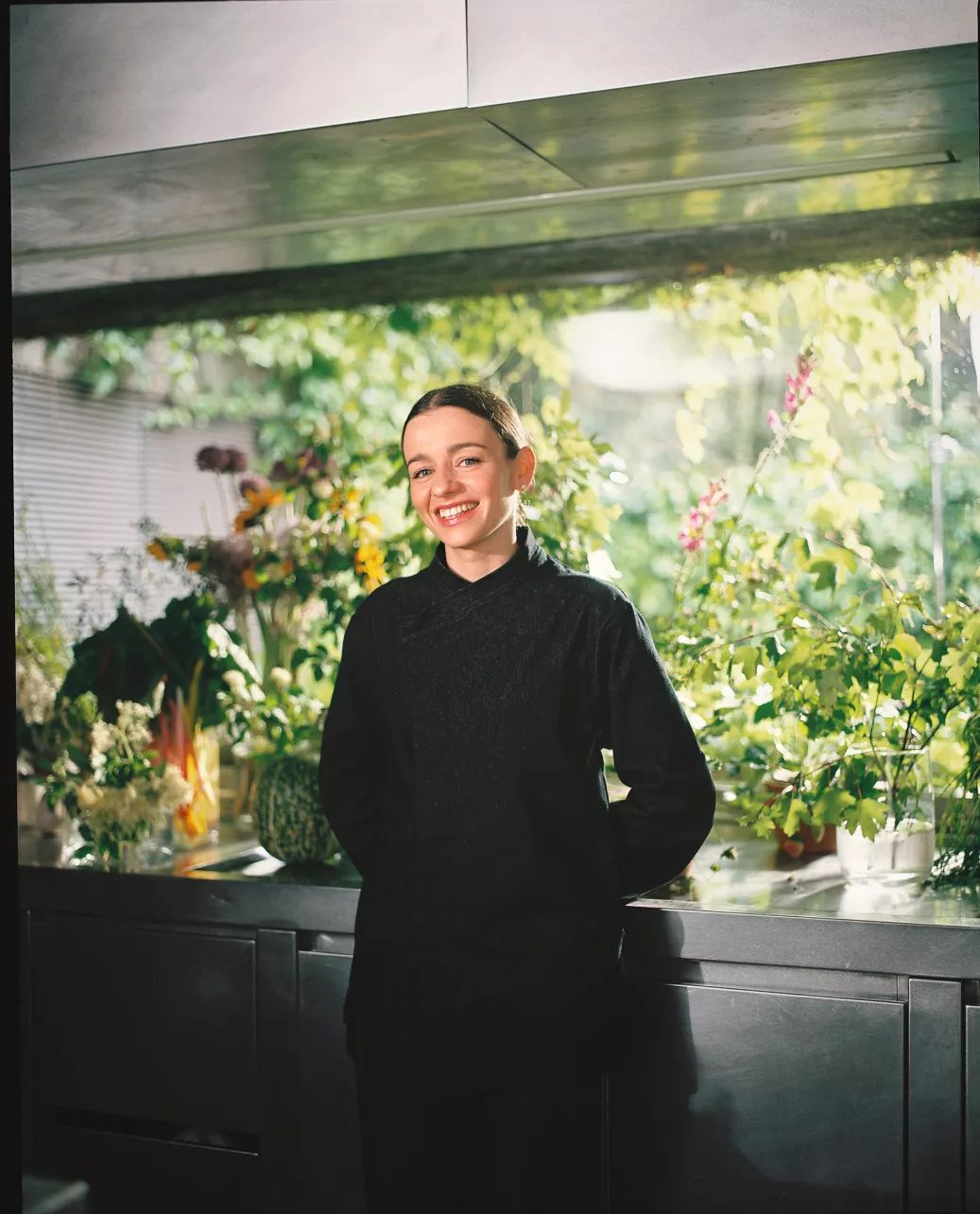
At 29, Martina Puigvert was named Michelin Young Chef Award 2024. But the interesting part of her story is not simply that she is the next generation of a famous restaurant. It is what she is doing with the place she inherited.
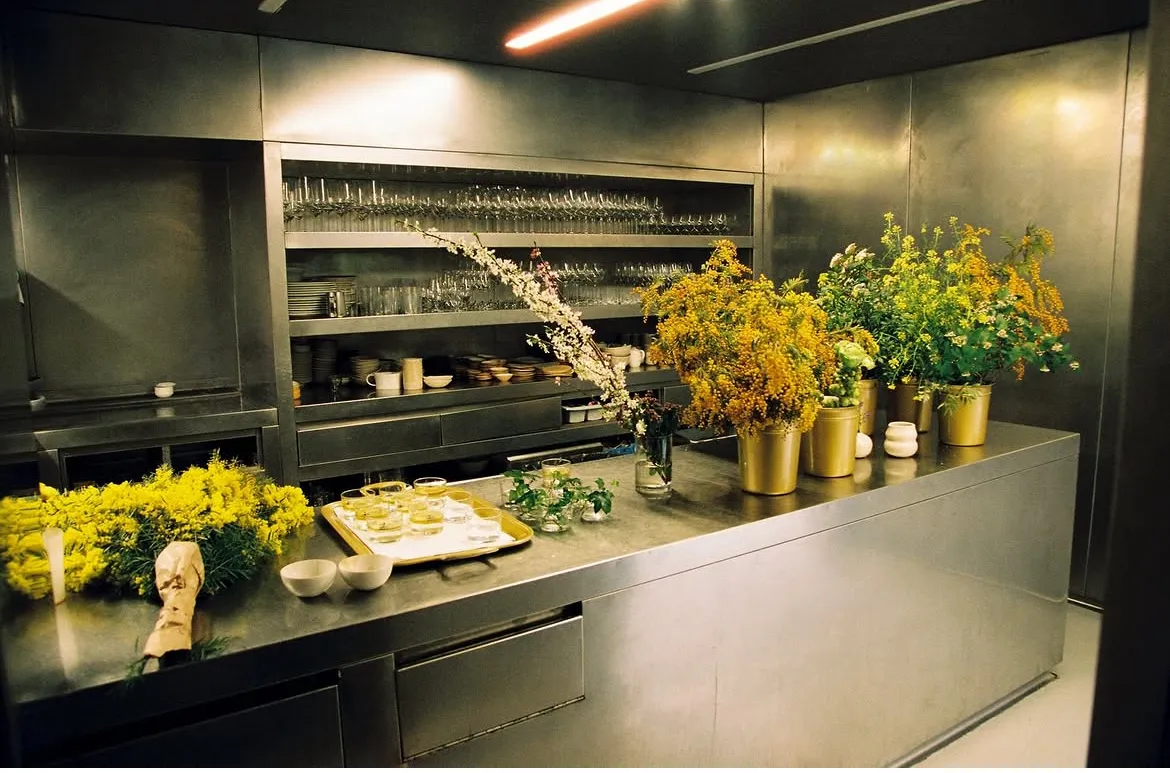
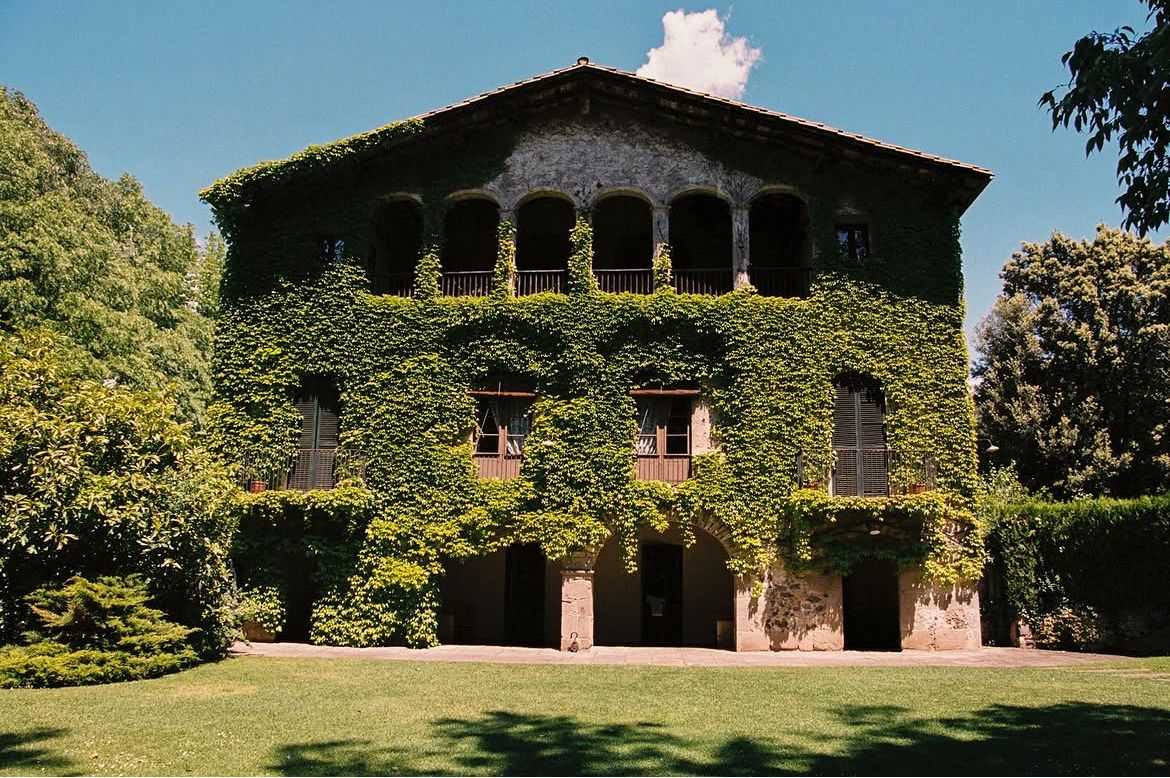
Les Cols sits in Olot, in the volcanic landscape of La Garrotxa, Catalonia. The restaurant was founded in 1990 by Fina Puigdevall and Manel Puigvert in the family farmhouse. More than three decades later, it holds two Michelin stars and a Michelin Green Star, and much of the family still works under the same roof.
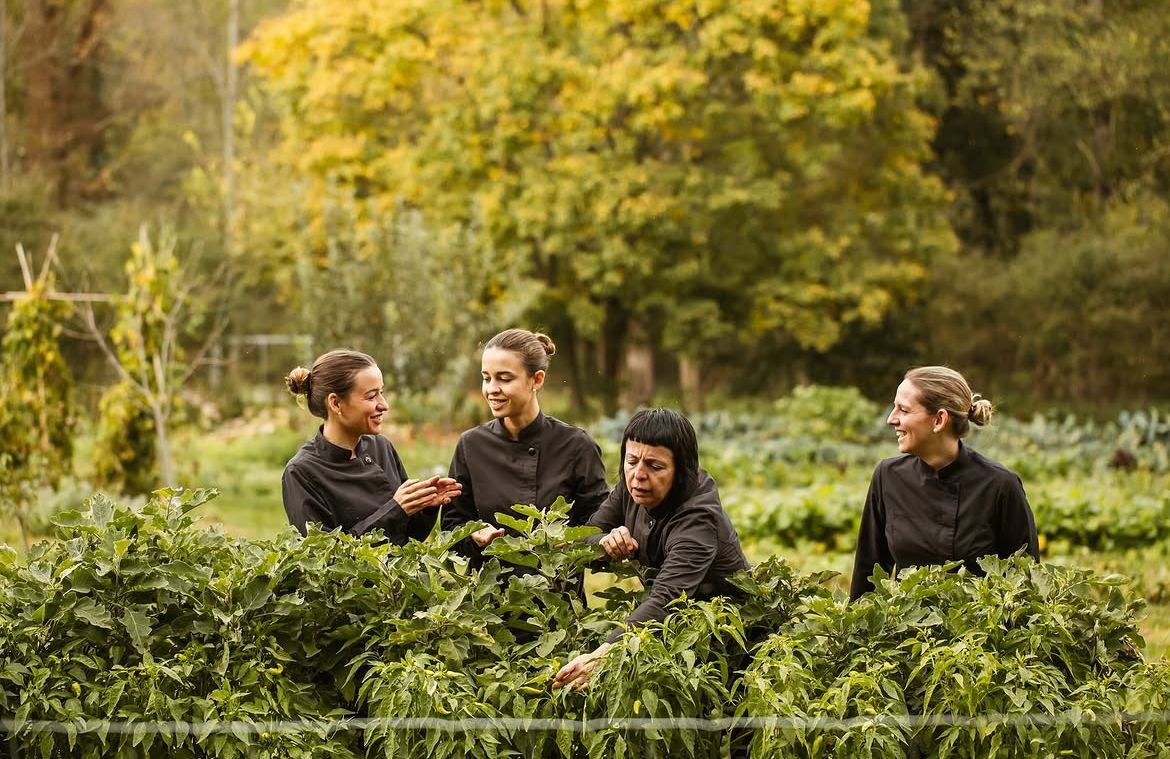
Fina is the chef. Martina runs the kitchen. Her sisters Clara and Carlota are involved in the dining room and pastry, while their father remains part of the project too. It is less a restaurant that happens to be run by a family than a family project that happens to have become one of Spain’s most closely watched restaurants.
For Martina, that distinction matters. When she received the Michelin Young Chef Award in 2024, she described it not as an individual achievement but as a recognition of the changes made by “this new generation” at Les Cols. She also admitted that the award brought some pressure. “I try to make the pressure shared,” she said.
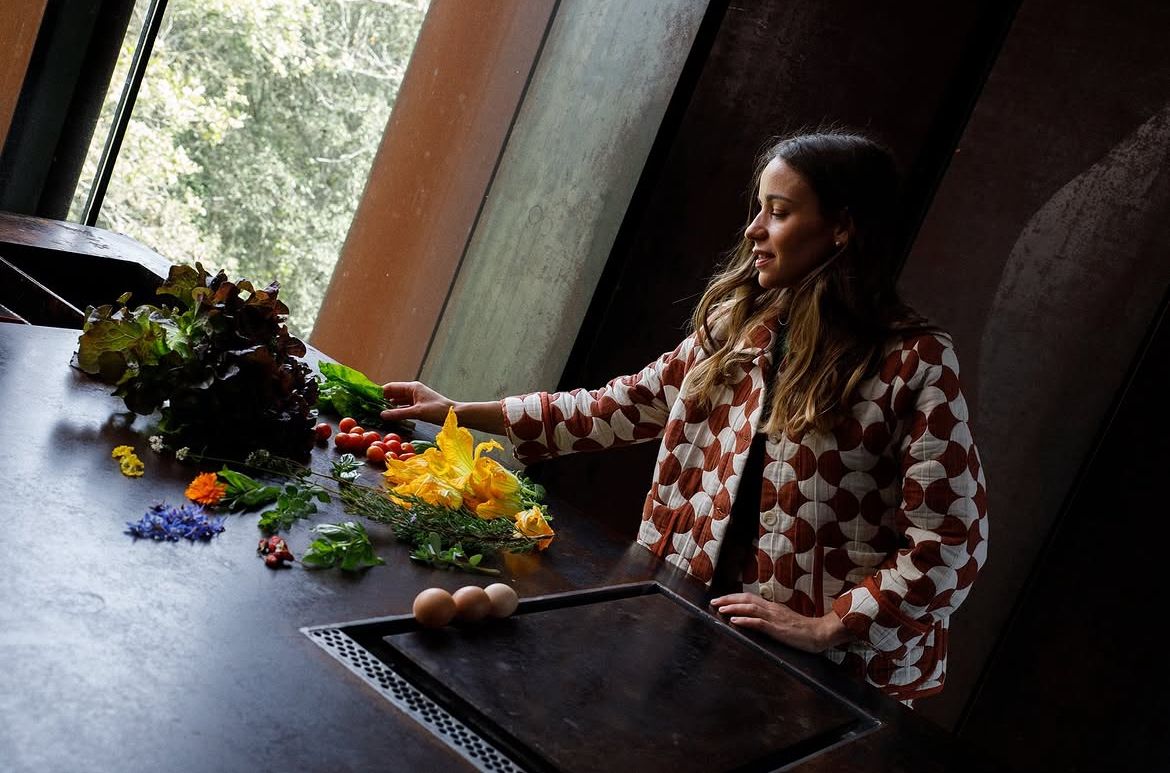
That idea of sharing extends to the way she talks about her mother. In a 2025 interview with La Vanguardia, Puigvert described Fina as someone with “a very beautiful, very poetic view of life” and said that Les Cols had become the family’s shared life project.
It is an unusual model of succession: nobody is quite leaving, and nobody is simply taking over.
The Landscape Is on the Menu
If there is one thing that makes Les Cols different from a restaurant simply using the language of locality, it is how literally the team takes the idea.
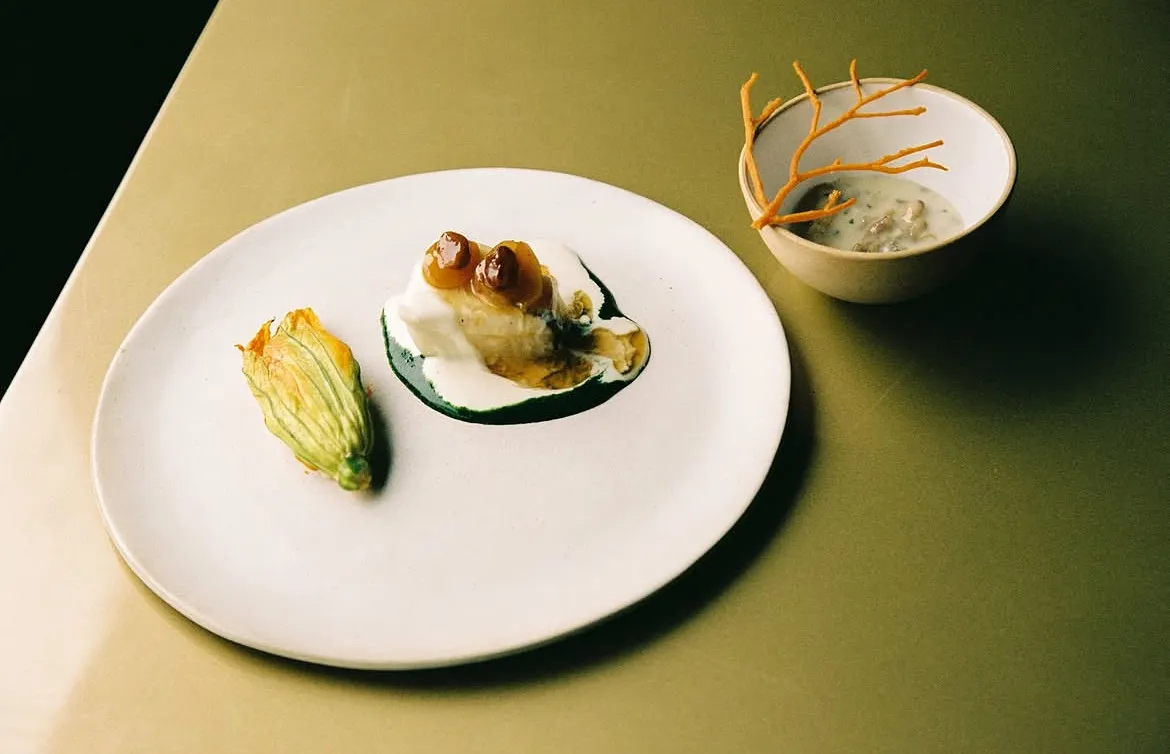
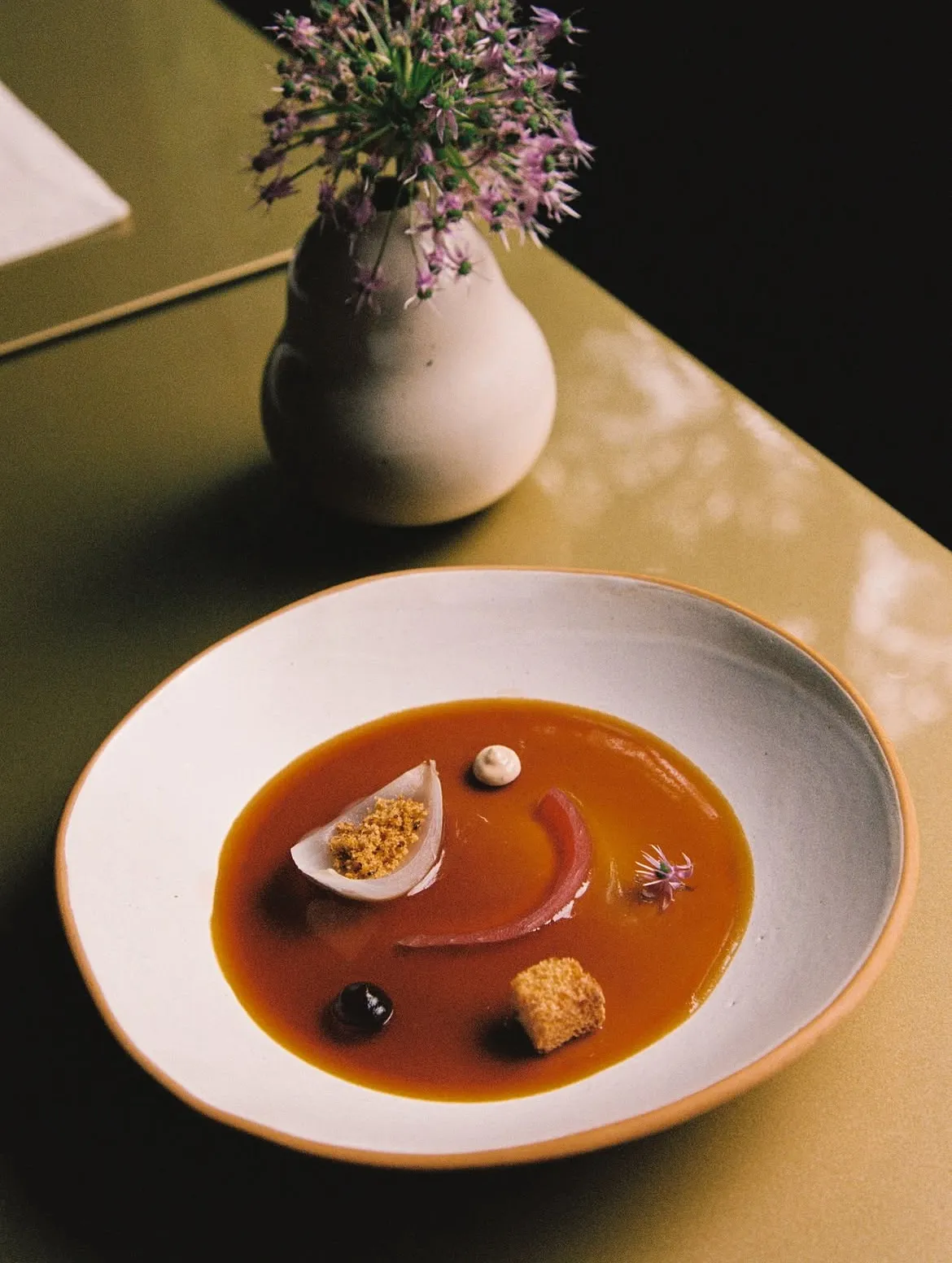
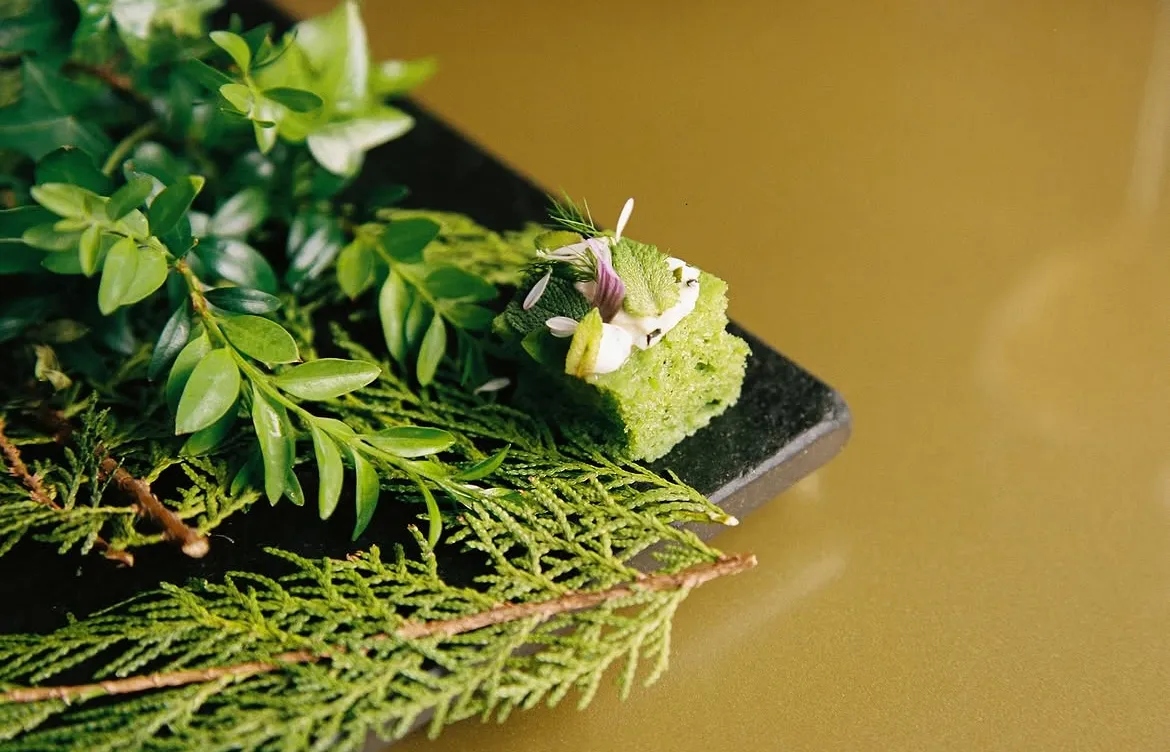
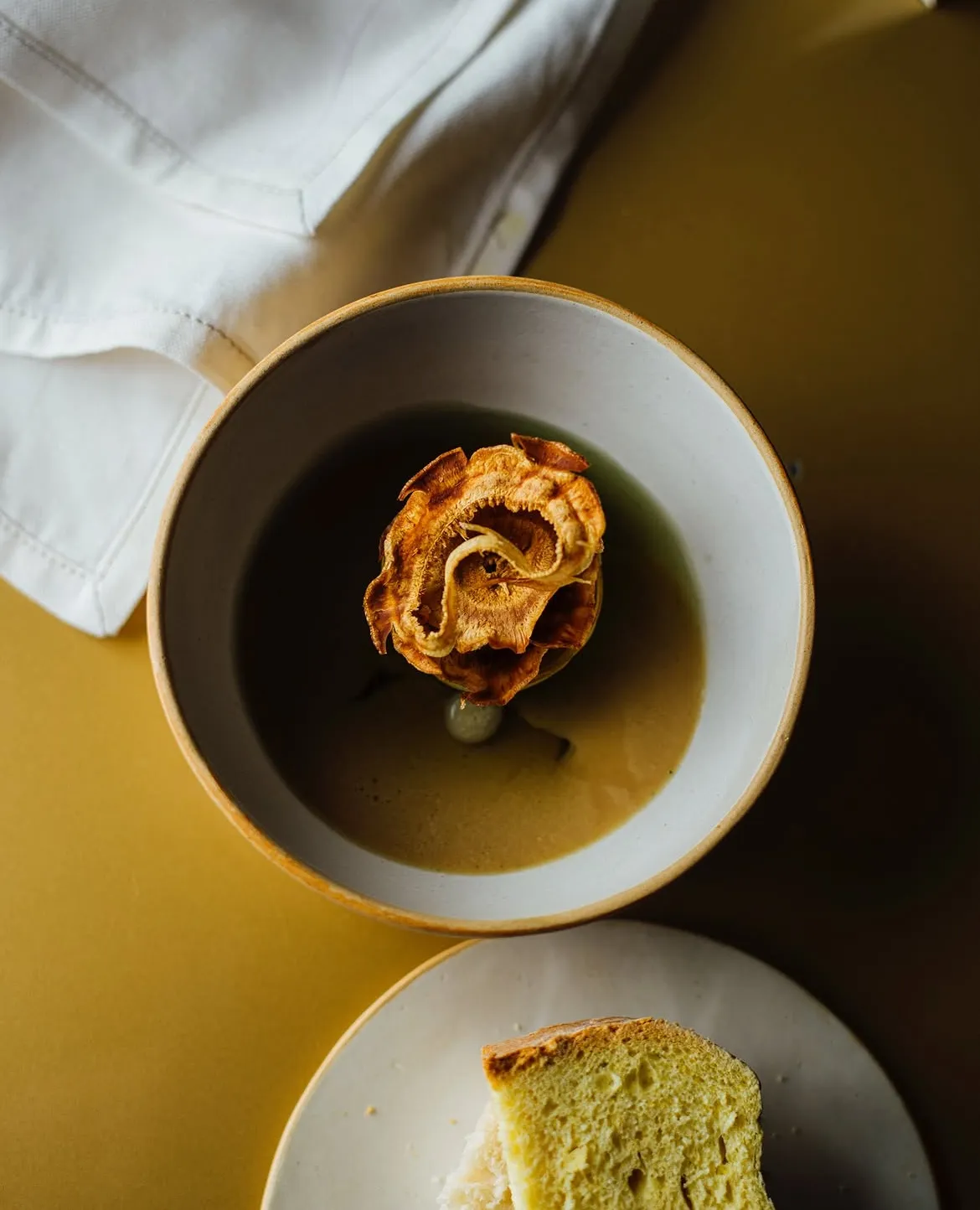
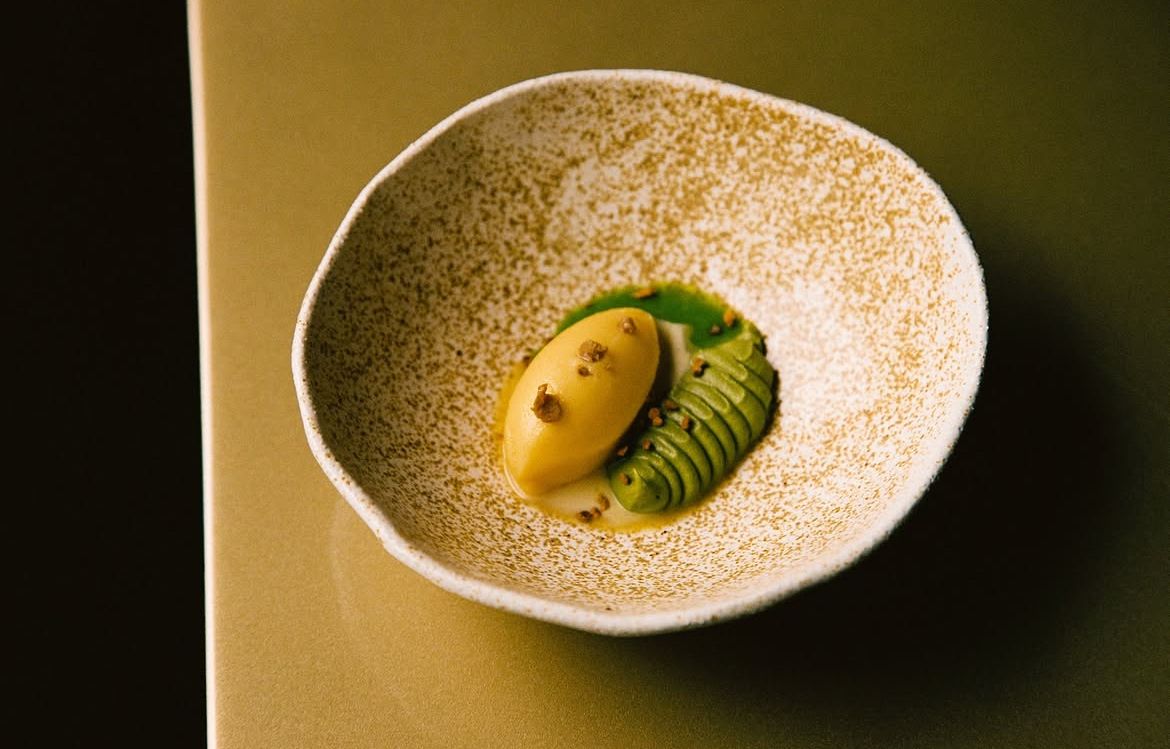
La Garrotxa is a volcanic region, and its landscape determines much of what appears on the plate. Santa Pau beans, buckwheat and local onions are among the ingredients Puigvert talks about when explaining the identity of the area. In a recent interview, she called living and working there a “privilege” and summed up the restaurant’s philosophy rather neatly: “Les Cols is possible thanks to the landscape of La Garrotxa and its people.”
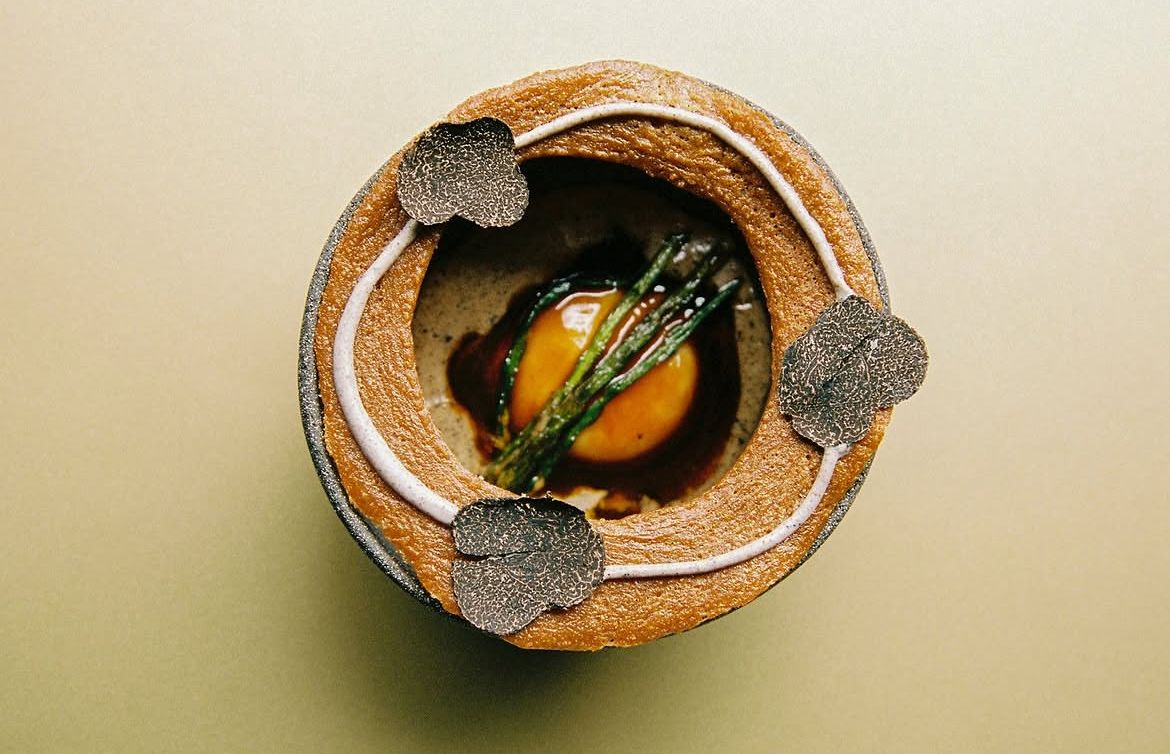
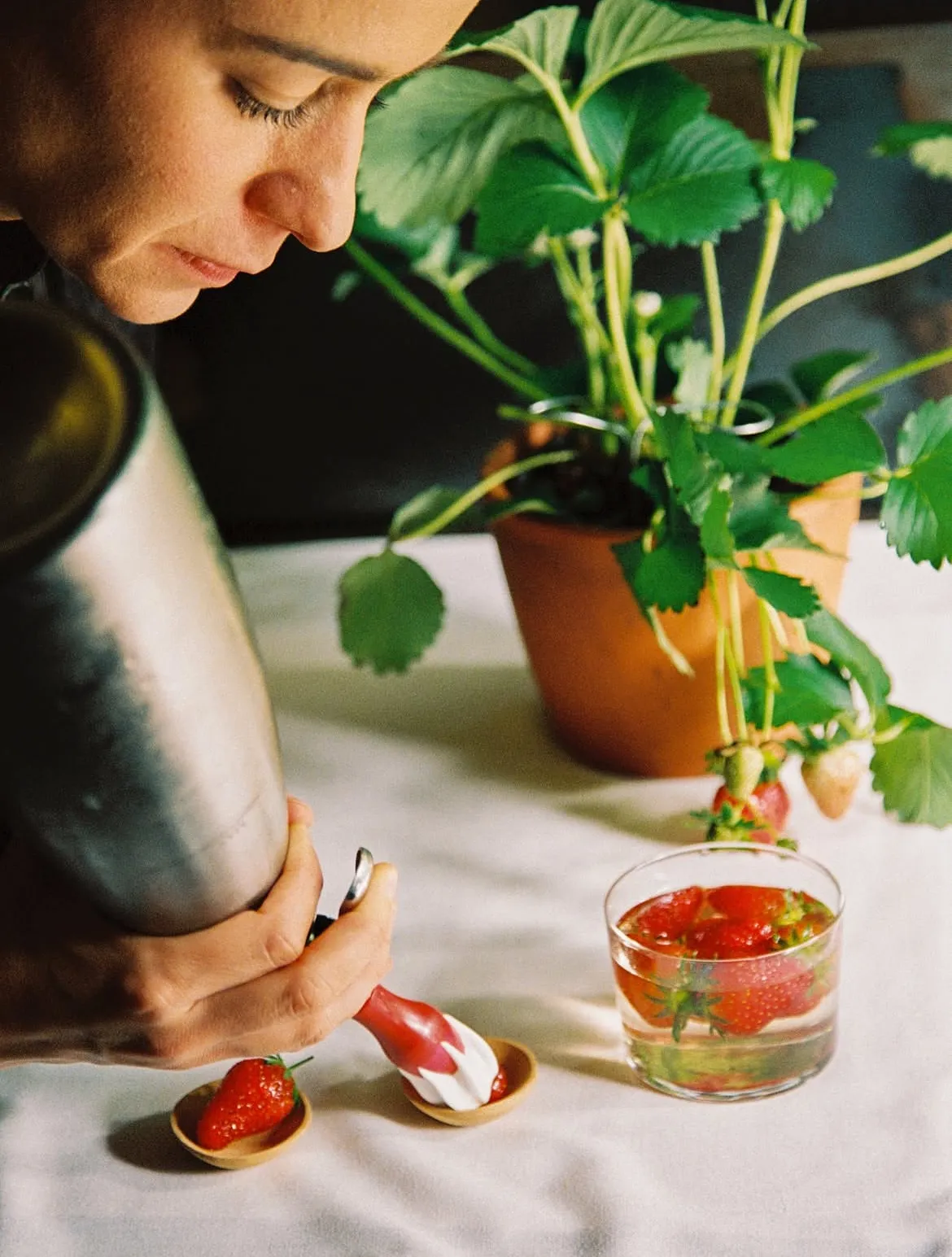
Michelin describes the restaurant’s approach as “food that hasn’t travelled far”. Its produce comes from the surrounding region and from the family’s own gardens, including an organic garden at the Casa Horitzó R&D centre. The gardens are fertilised with compost produced from the restaurant’s own waste, while the family also keeps chickens, ducks, sheep and cows.
The result is not sustainability as a paragraph at the bottom of a menu. It is part of the restaurant’s operating system.
From Blue Hill to a Circular Kitchen
Puigvert’s route back to Olot was not entirely direct.
After graduating in Gastronomy and Culinary Arts from Basque Culinary Center, she trained at several restaurants, including Lua in Madrid, Koy Shunka in Barcelona and Dan Barber’s Blue Hill at Stone Barns in New York. She also spent time at Gustu in Bolivia, where she worked on a gastronomic and social project. In 2016, she returned to Les Cols and became head chef alongside her mother.
The experience at Blue Hill is particularly revealing. It introduced her to a philosophy of cooking in which the origin of an ingredient, and even the way it has been produced, becomes part of the creative process.
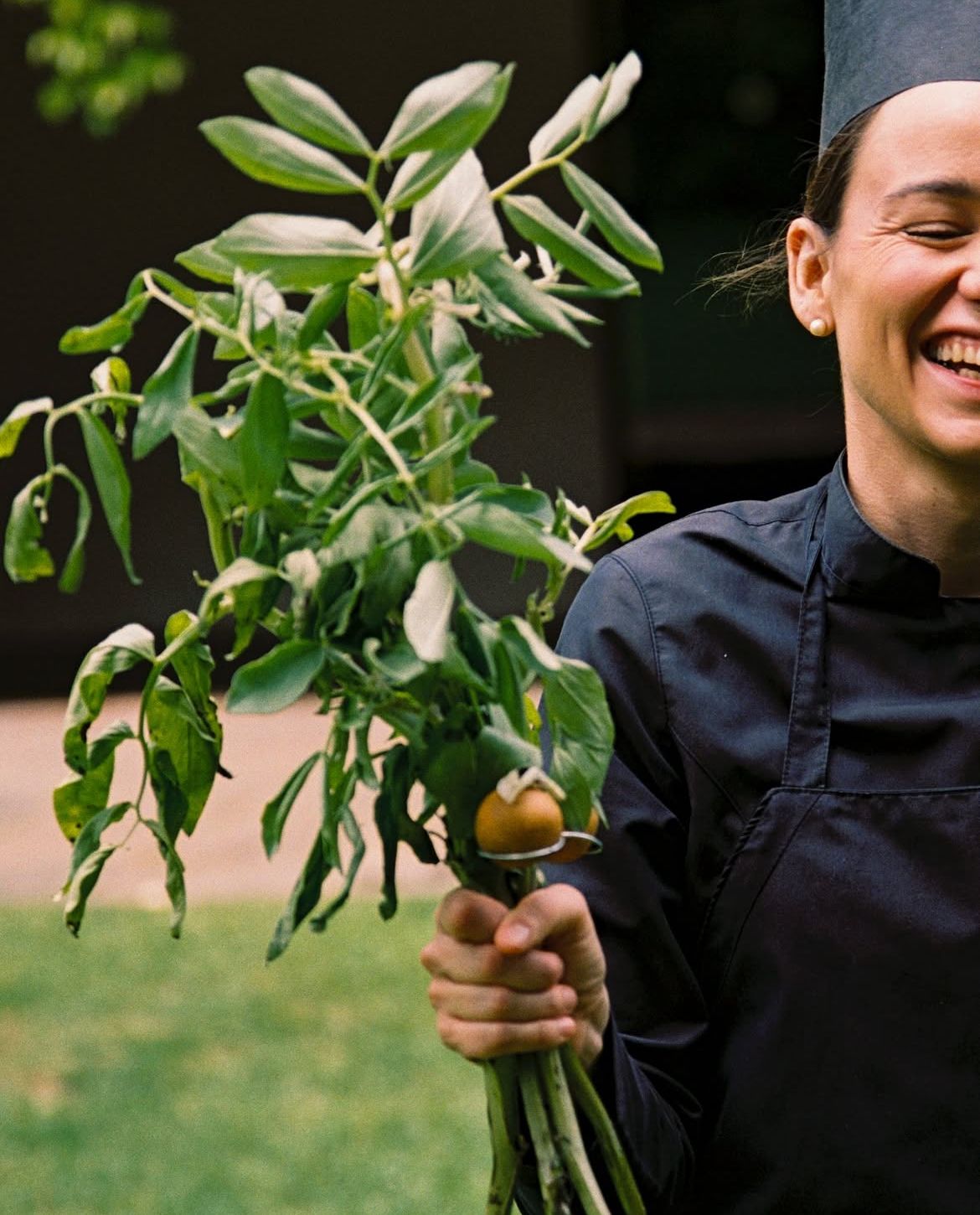
Back at Les Cols, Puigvert helped develop the restaurant’s R&D work, investigating new techniques and ways of reducing its environmental impact. The ambition is what she calls circular gastronomy: rather than treating a restaurant as a linear system in which resources enter and waste leaves, the aim is to return as much as possible to the surrounding ecosystem.
That can mean surprisingly practical things. The restaurant has developed its own gardens and composting system, works with local producers and experiments with native varieties. One example is an indigenous type of corn grown at Casa Horitzó, where a hydraulic mill allows the restaurant to produce flour without conventional energy consumption.
In one of the clearest descriptions of the philosophy, Puigvert has said: “The garden is our space for knowledge.”
The Next Generation Is Already Here
The Michelin award arrived at an interesting moment for Les Cols. Fina Puigdevall’s restaurant is no longer simply her project. It is becoming a genuinely intergenerational one.
Martina joined in 2016. Her sisters are now involved. And the family’s approach to succession is notably different from the dramatic chef handover stories that often dominate fine dining. Here, the transition is gradual, almost domestic.
Martina has spoken about her mother’s decision to start Les Cols as a particularly courageous one: a woman opening her own restaurant at a time when haute cuisine was a very different world. “For the three of us, our mother has been a reference,” she told RTVE.
But continuity does not necessarily mean repetition.
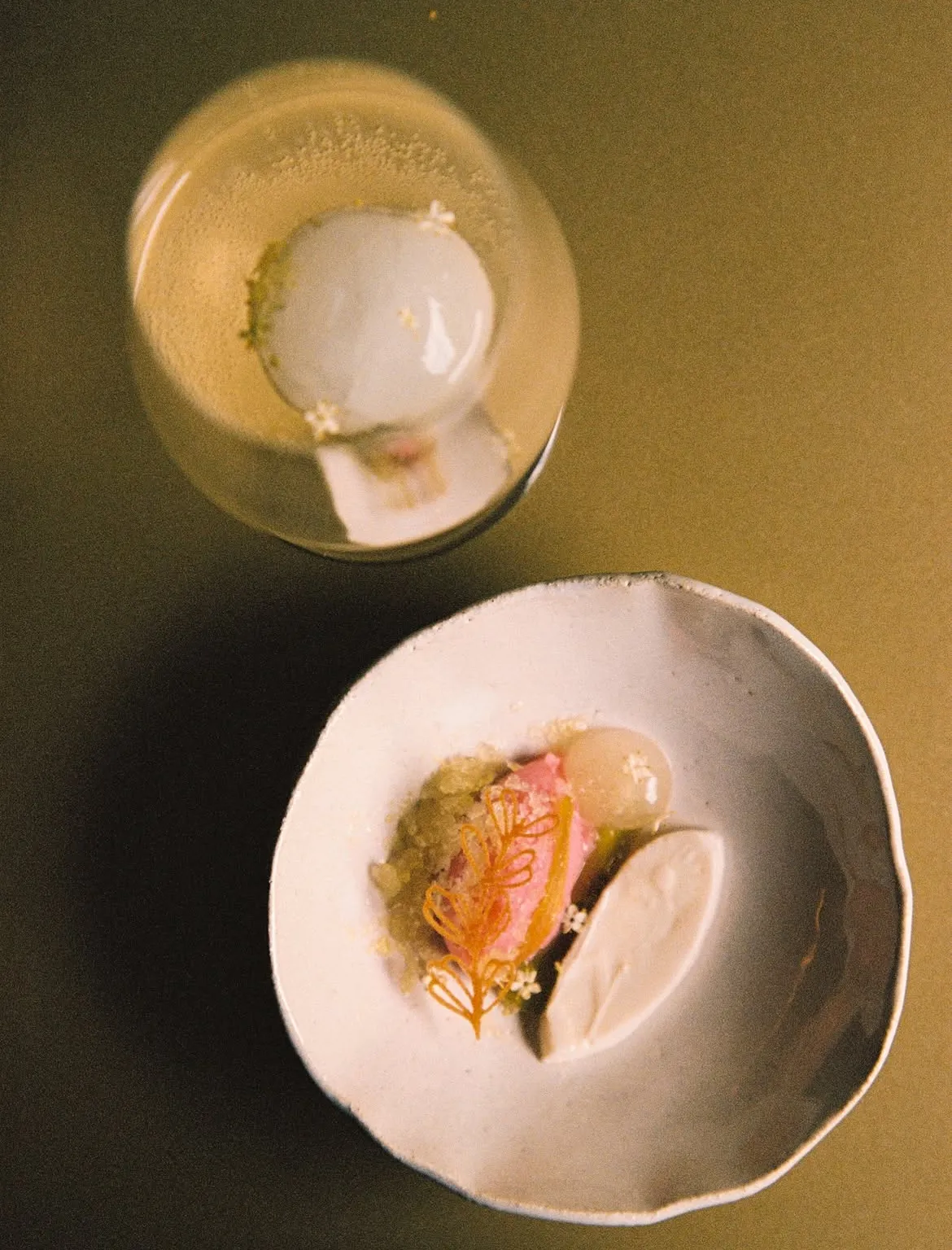
The younger Puigvert has brought her own experiences, research and interests into the restaurant while keeping its fundamental relationship with La Garrotxa intact. Her cooking looks backwards to local varieties, traditional preservation and forgotten flavours, while also looking forward to questions of waste, biodiversity and the future of fine dining.
That may be the most interesting thing about Martina Puigvert. She is not trying to escape the family restaurant, nor to turn it into something entirely new. She is testing how far you can take a place without losing what made it worth staying for in the first place.
At Les Cols, the future does not look like a clean break. It looks more like another season.
In pictures Image 1 of 9
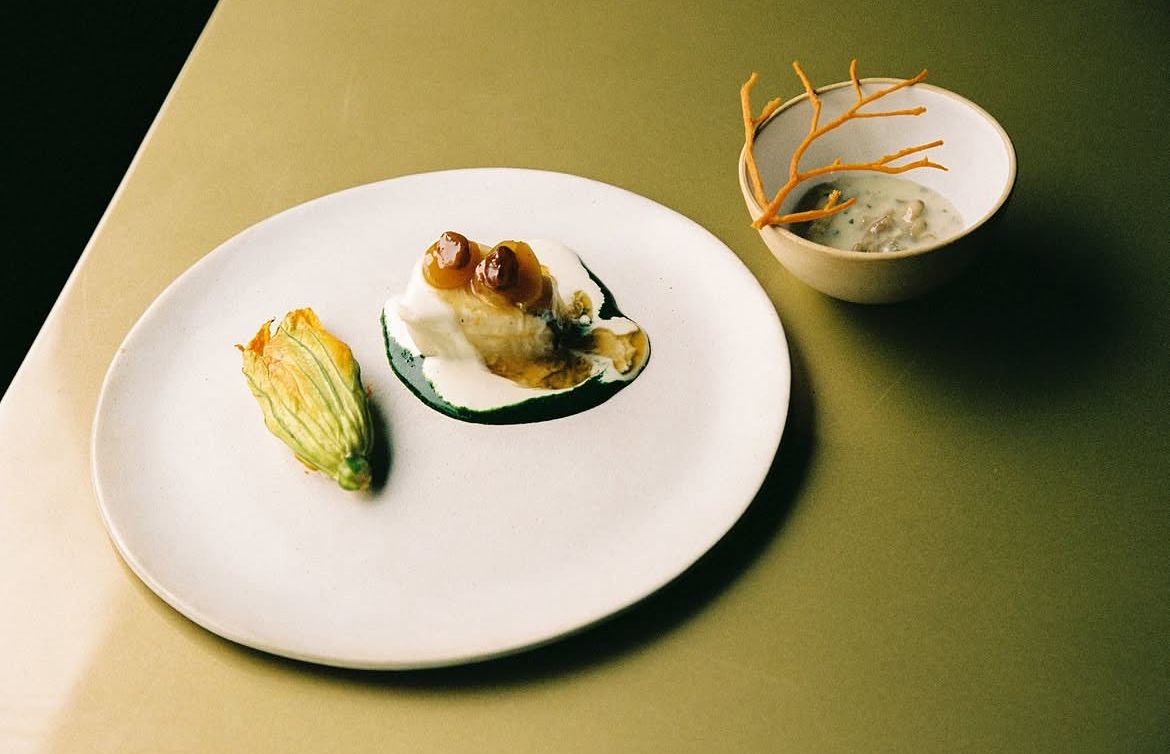
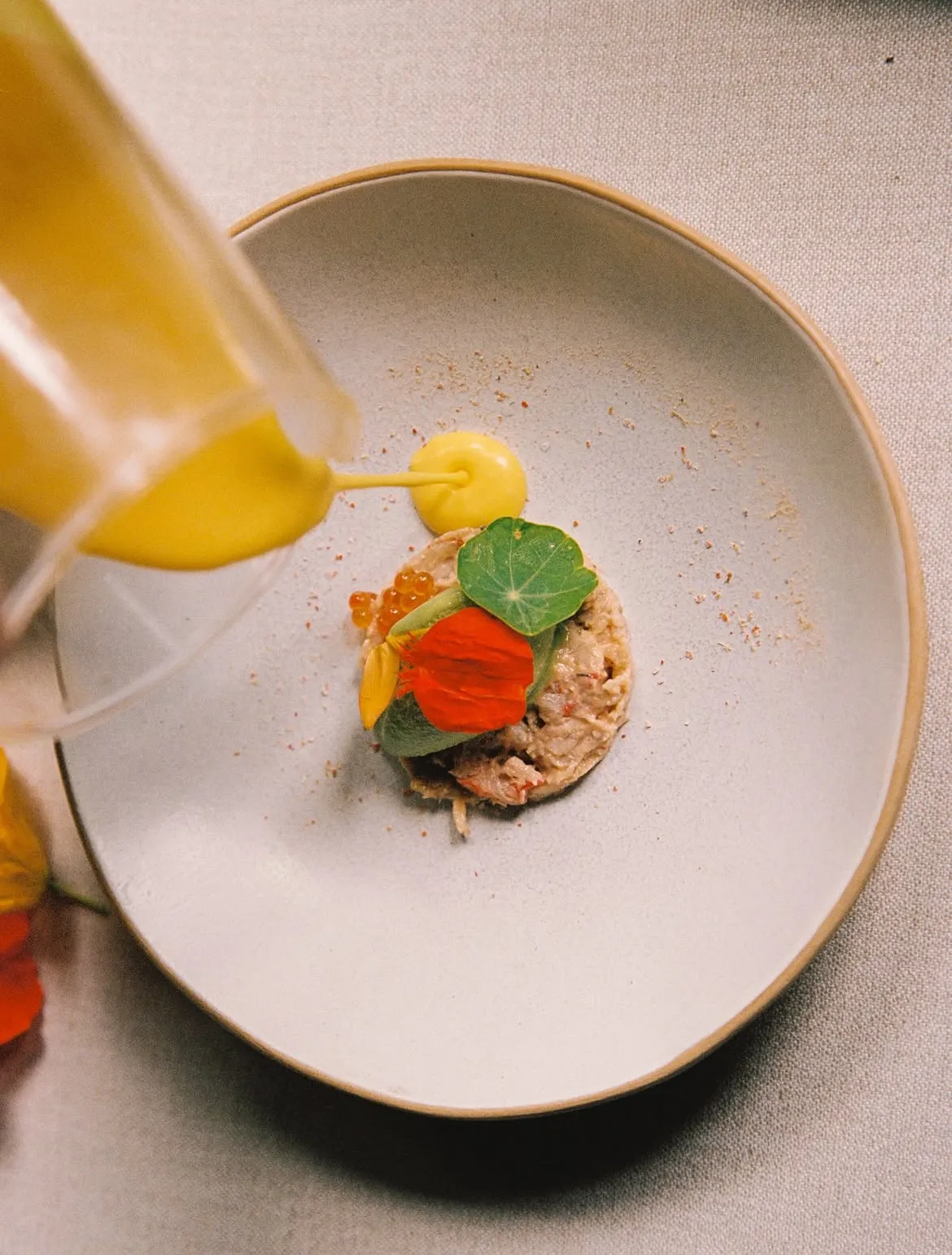
Photo: Les Cols 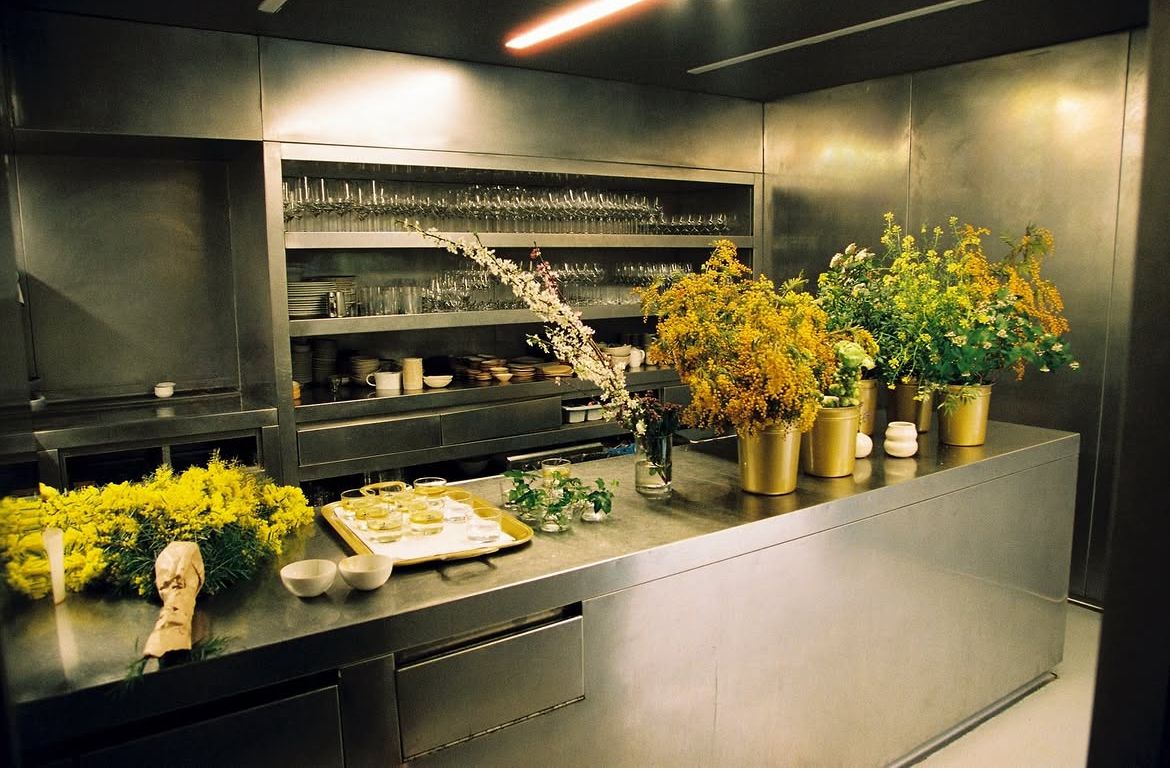
Photo: Les Cols 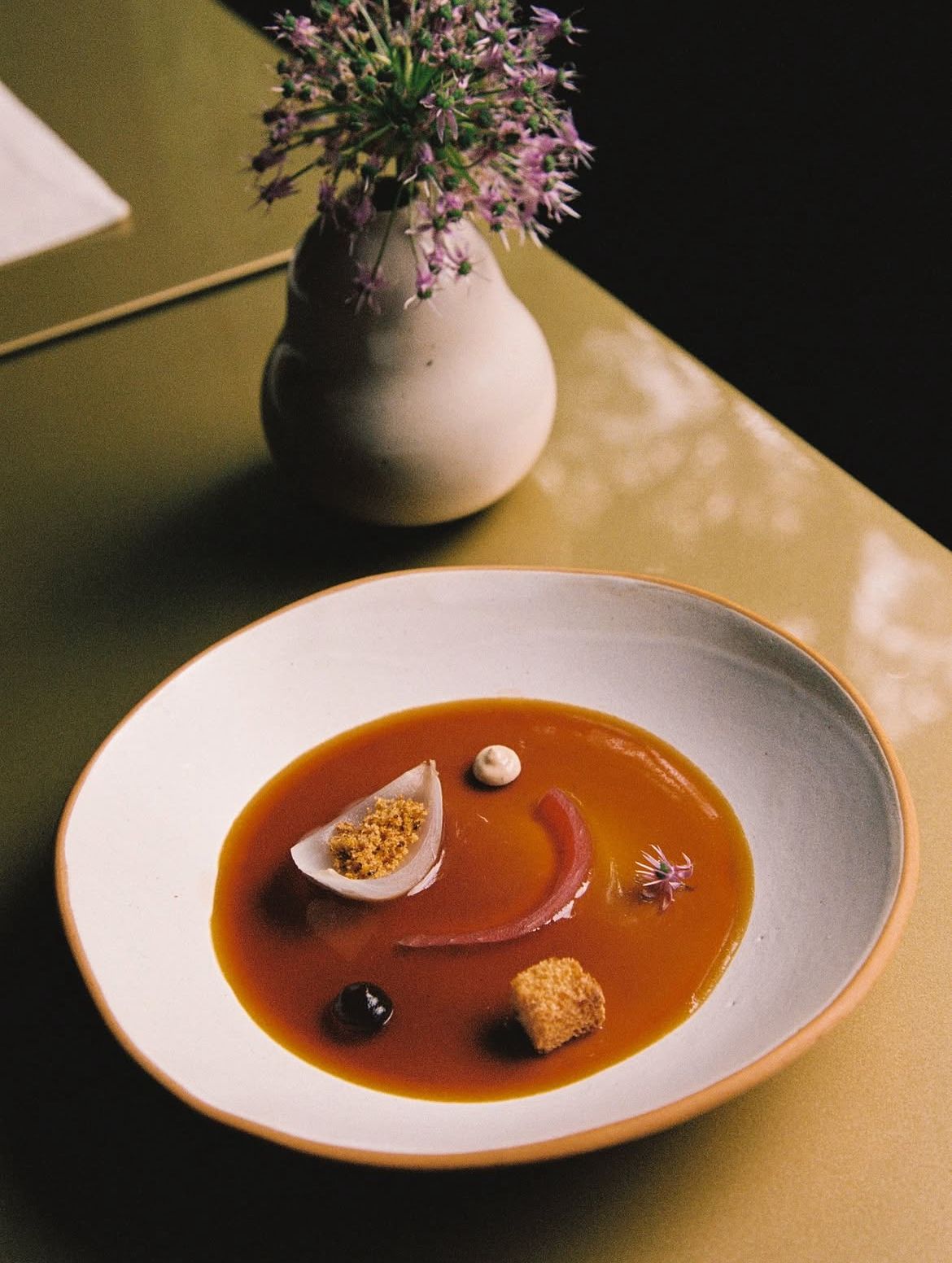
Photo: Les Cols 
Photo: Les Cols 
Photo: Les Cols 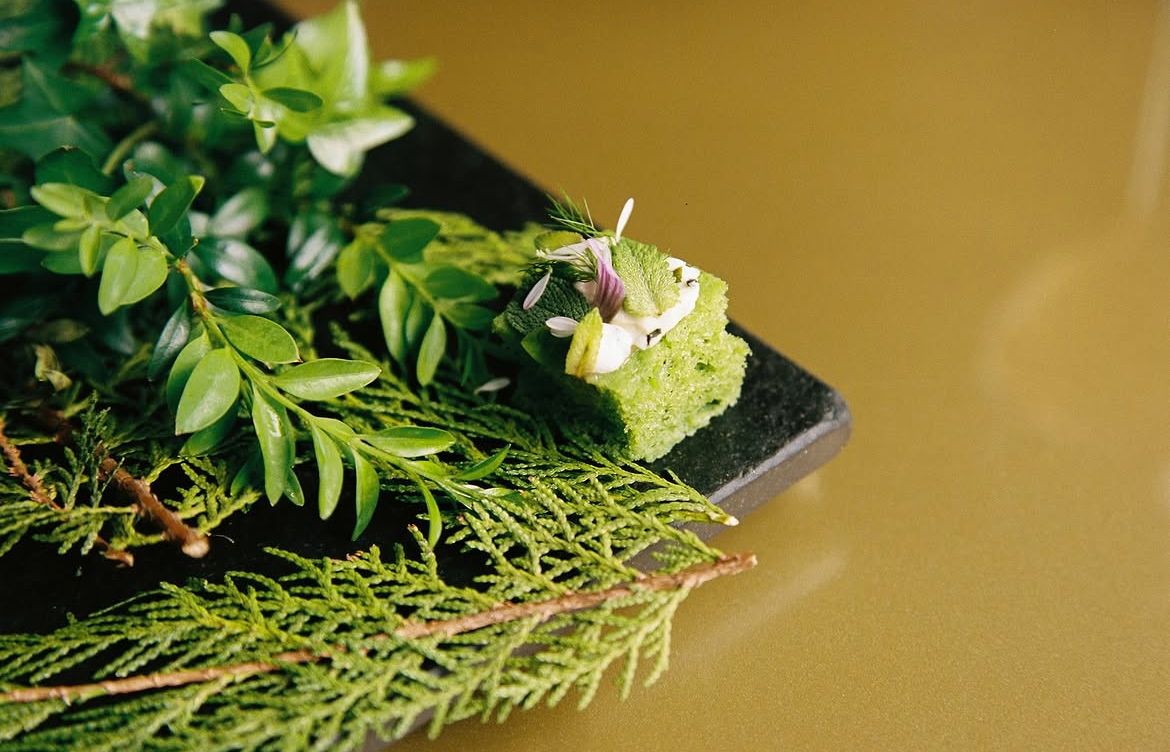
Photo: Les Cols 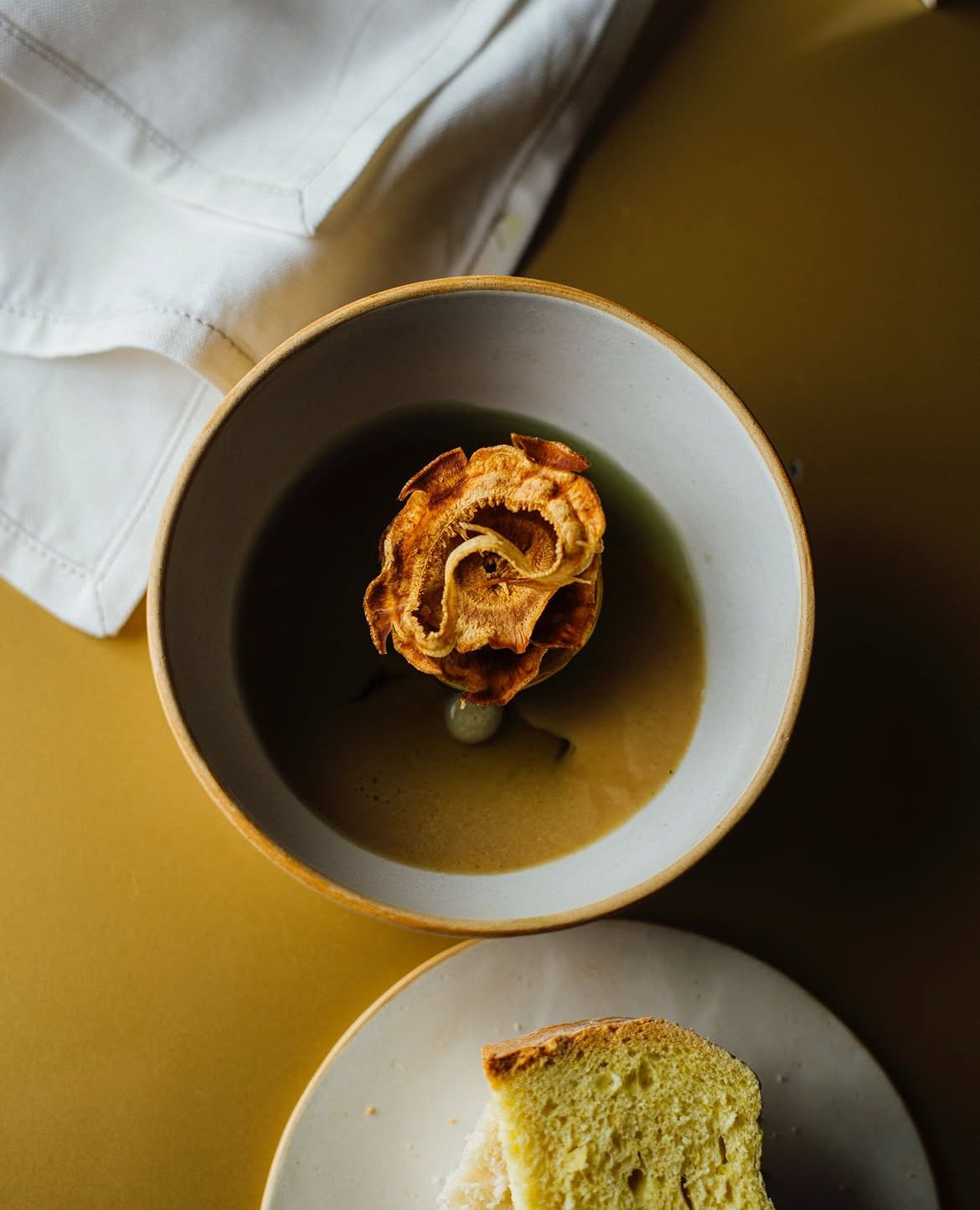
Photo: Les Cols 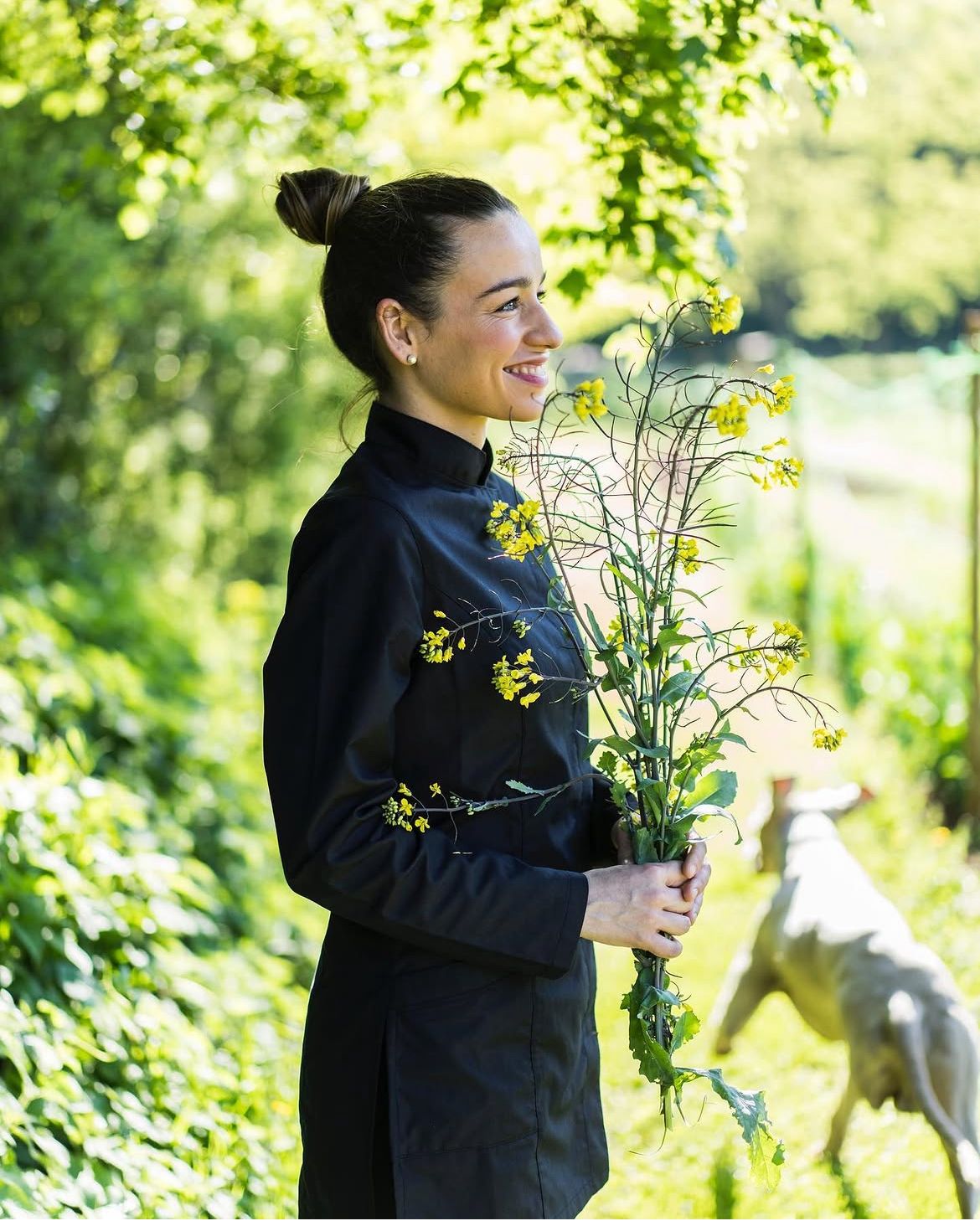
Photo: Les Cols 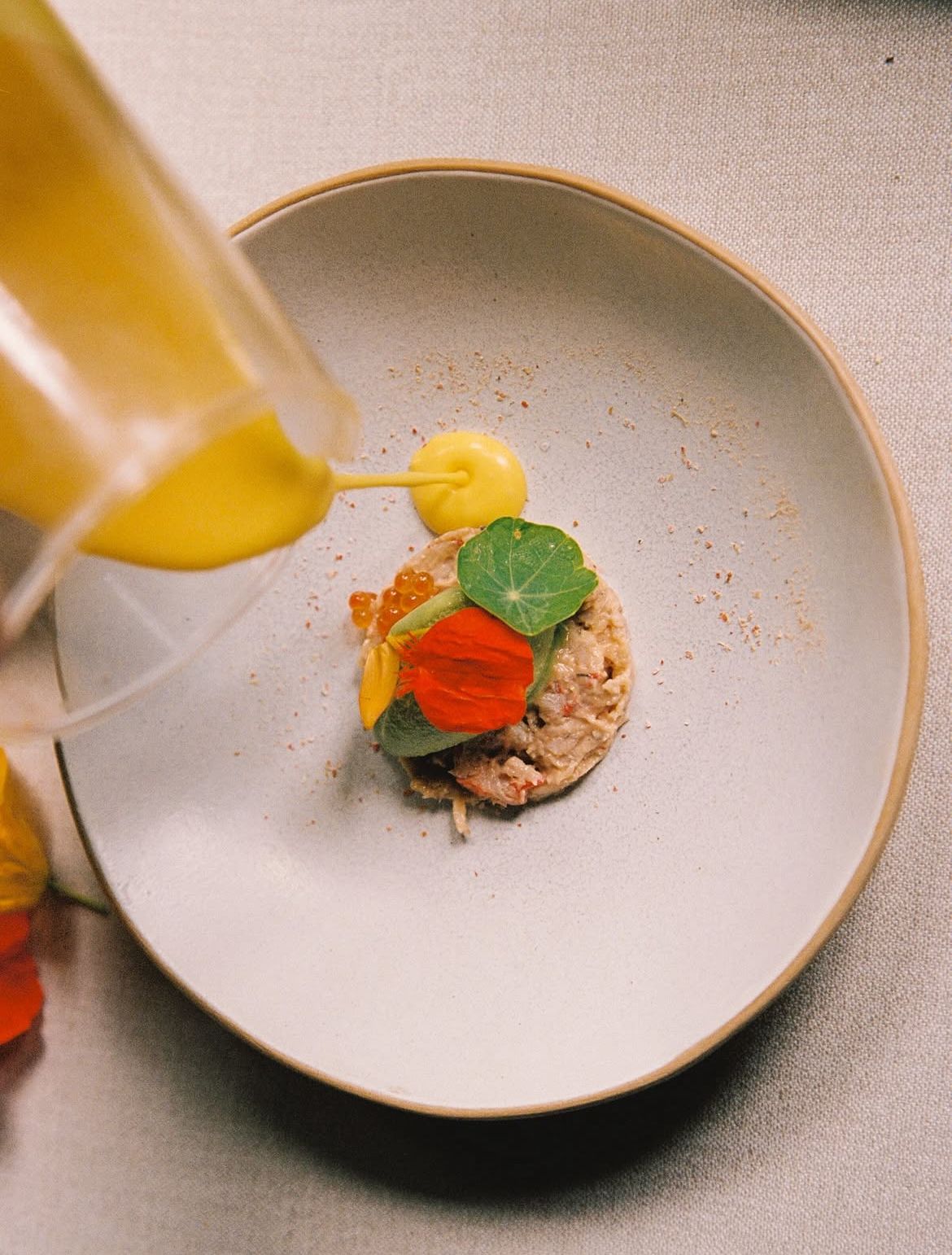
Photo: Les Cols