The Jane’s New Home Is Where Raw Beauty Meets Refined Taste
For eleven years, The Jane was a military hospital chapel where the kitchen stood in place of the altar. Nick Bril has traded that setting for a harbour warehouse in Het Eilandje, with 28 seats and the stoves at the centre of the room, and the move has arrived with a second Michelin star under its belt.
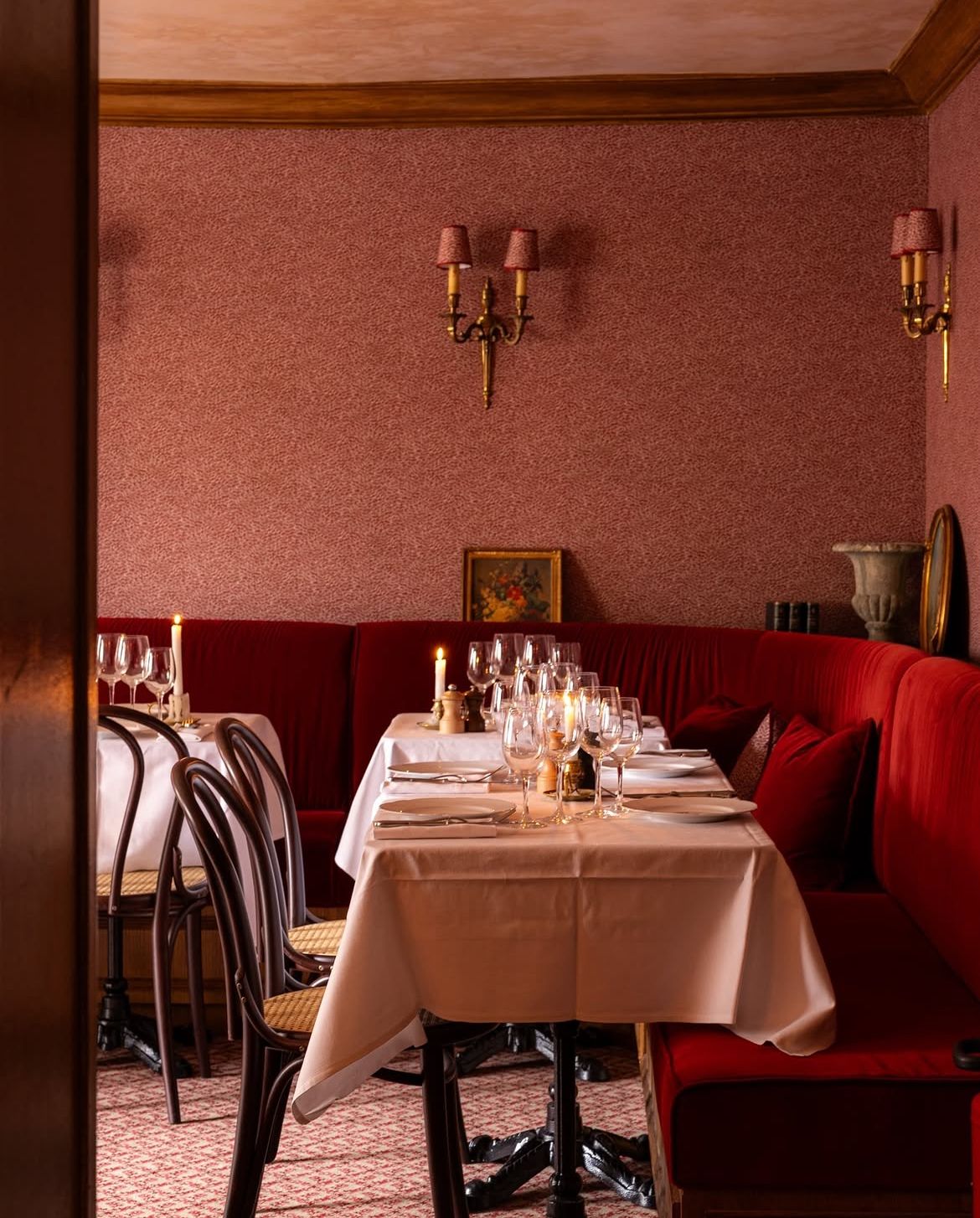
Some restaurants move, and some change skin. The Jane opened in March 2014 in the former chapel of a military hospital in Antwerp’s Groen Kwartier, launched by Sergio Herman and his right-hand man, Nick Bril. Piet Boon designed it, and the original altar gave way to a kitchen framed in glass, like a modern shrine. It was a coup de théâtre that seemed impossible to repeat, so the news that Bril was leaving felt a little like heresy. Herman left the business in 2021 and Bril became sole owner. On 5 October 2025 he reopened in a different neighbourhood, with the stated aim of changing everything except the soul.
A Neighbourhood Left Behind, and Better for It
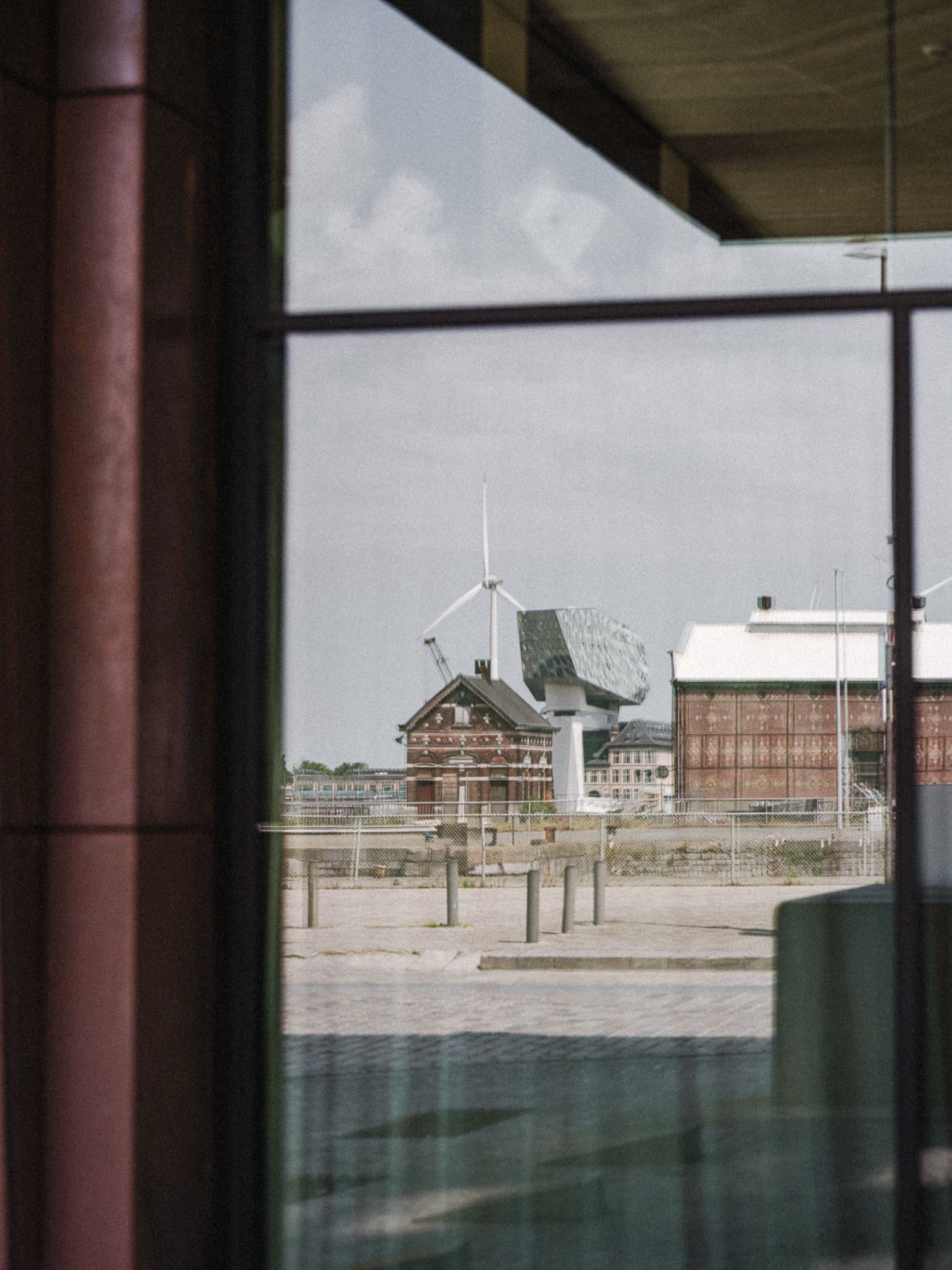
Het Eilandje is Antwerp’s oldest harbour district and, in the 19th century, the nerve centre of international shipping. When port activity moved north, the neighbourhood stayed put, rough around the edges and unpolished. Between the Scheldt and the Kattendijk Dock stands the Montevideo, a complex of warehouses through which tonnes of exotic goods once passed and which now operates as a luxury residence. The Jane occupies one of those buildings. Swapping a temple for an overseas depot is not a step down. It is a change of liturgy.
28 Seats and Nowhere to Hide
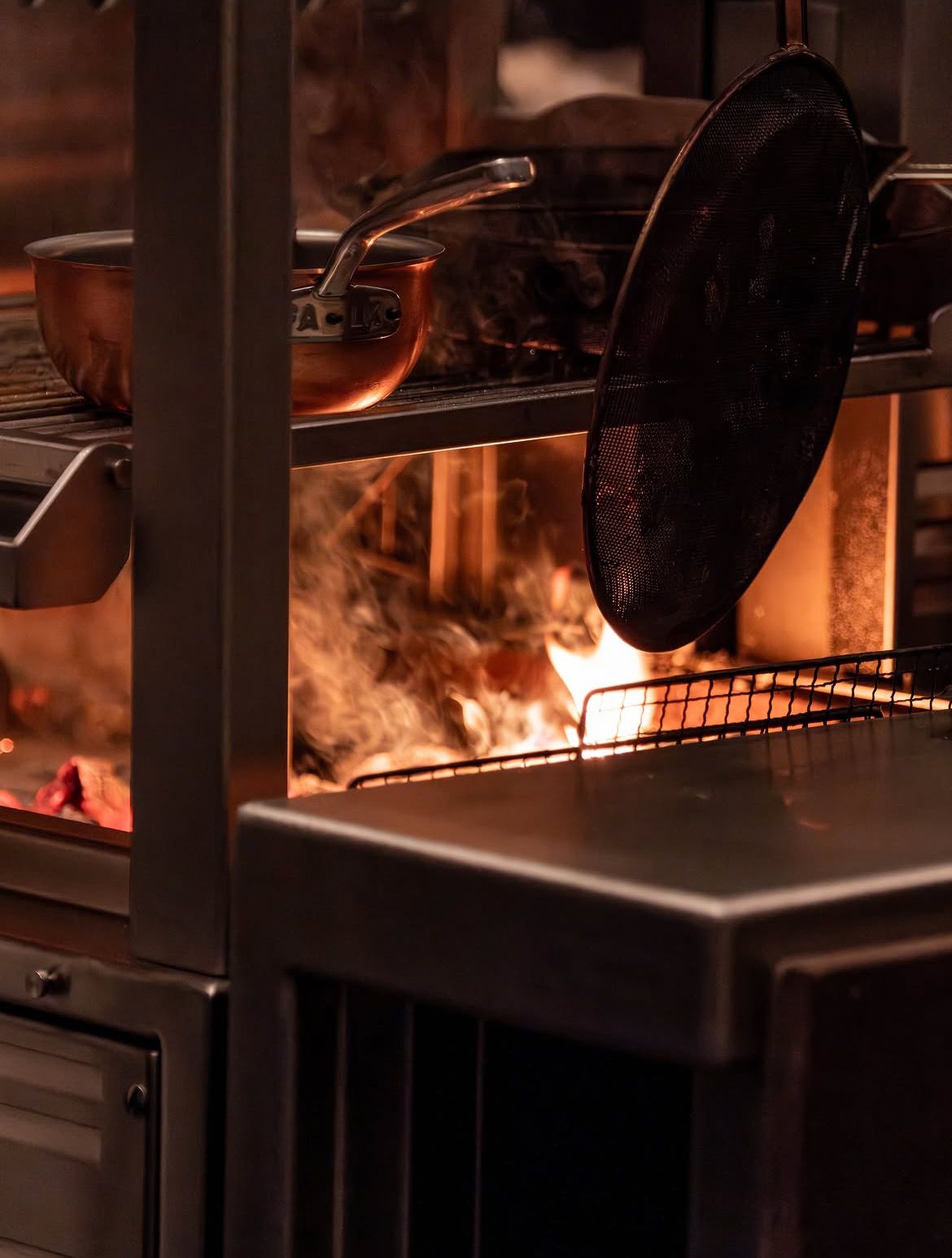
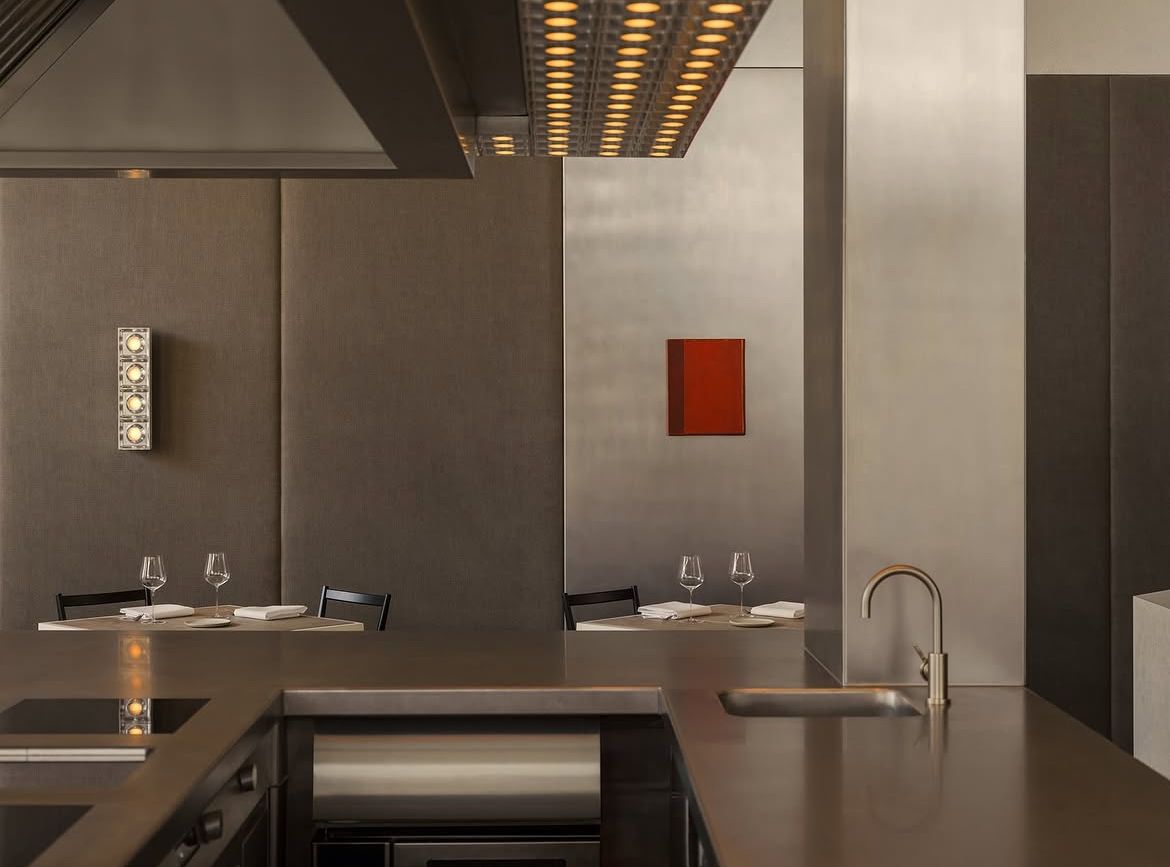
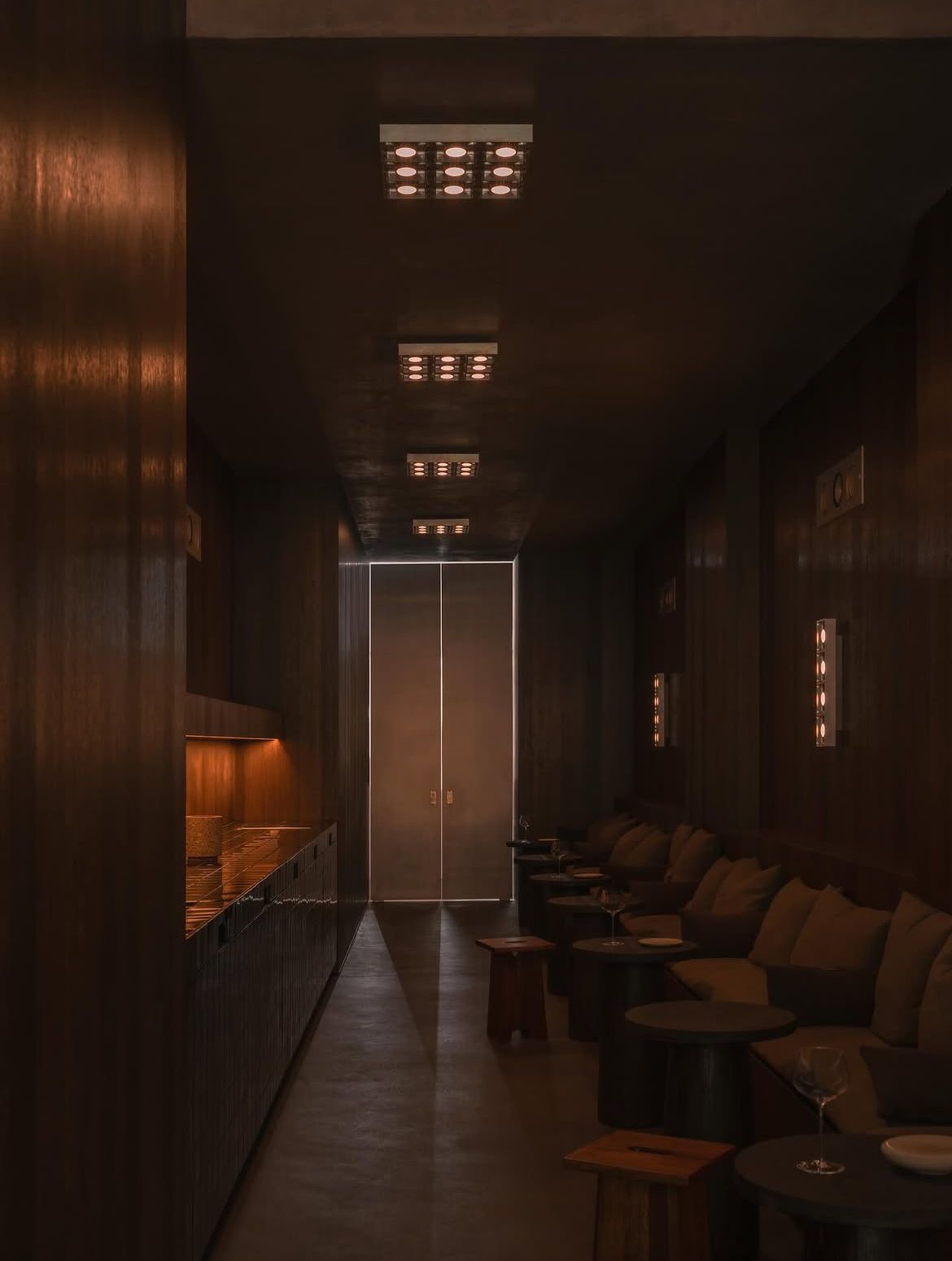
Belgian architect Nicolas Schuybroek was in charge of rewriting the space, with an unusual brief: guests should lose their sense of time and space. He answered it with a sequence of contrast, compression and release, and with 28 seats arranged around an open kitchen. Natural stone takes care of tables and benches, and the walls carry work by artists such as Laurids Gallée and Jeroen van den Bogaert. The list of collaborators reads like a limited edition: custom glassware by Zwiesel Glas, scents by Mon Dada, clothing by Paul Smith.
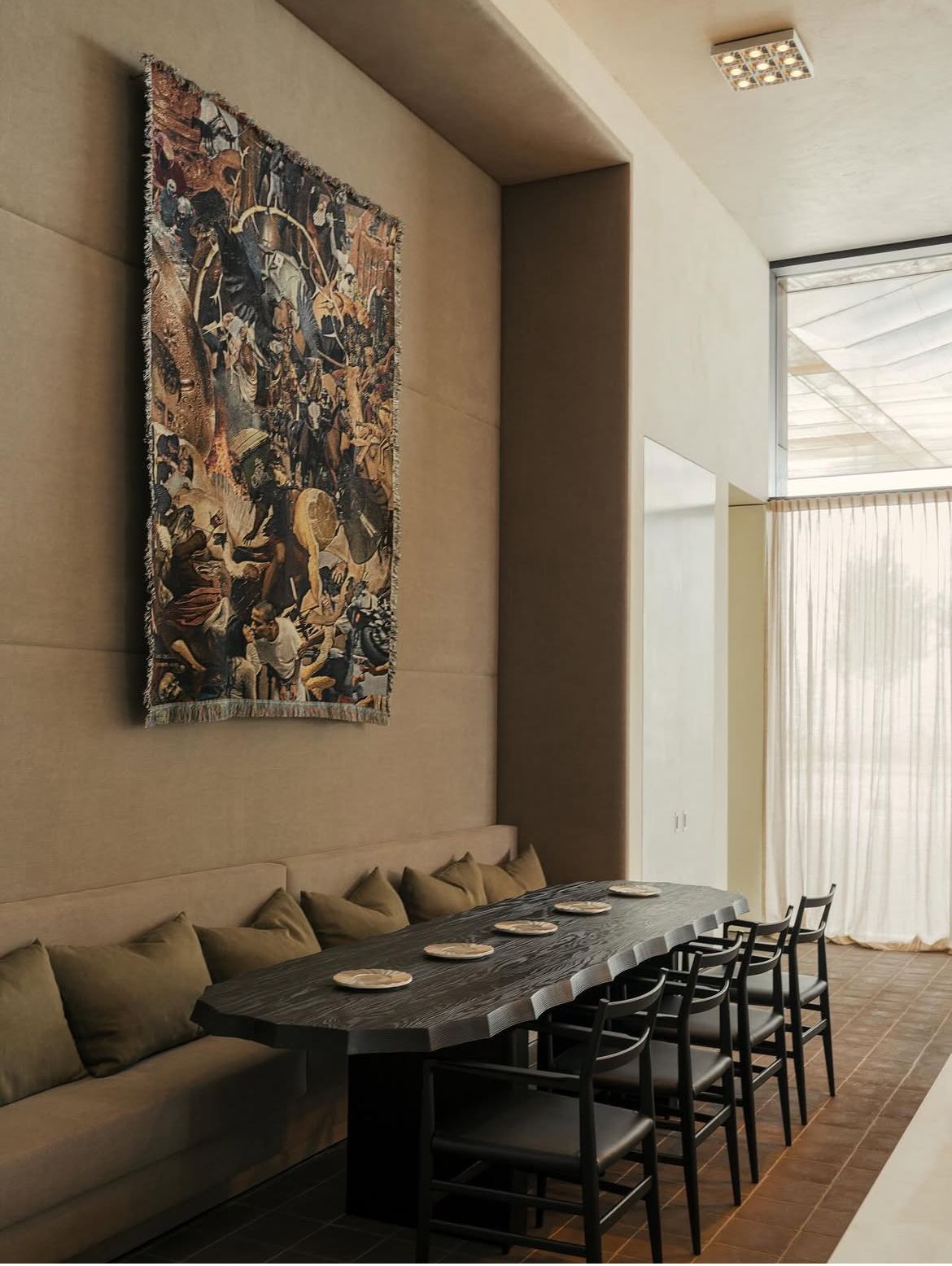
Then there is the music. Before opening, Bril said he wanted strong hospitality with a casual feel, and that there would be a DJ booth. “People need to be constantly stimulated or entertained,” he said (our translation from the Dutch). Some love it, and some miss the zen quiet they expect from a starred restaurant. We think that is a healthy debate for a place that has no interest in being solemn.
The Kitchen as Stage
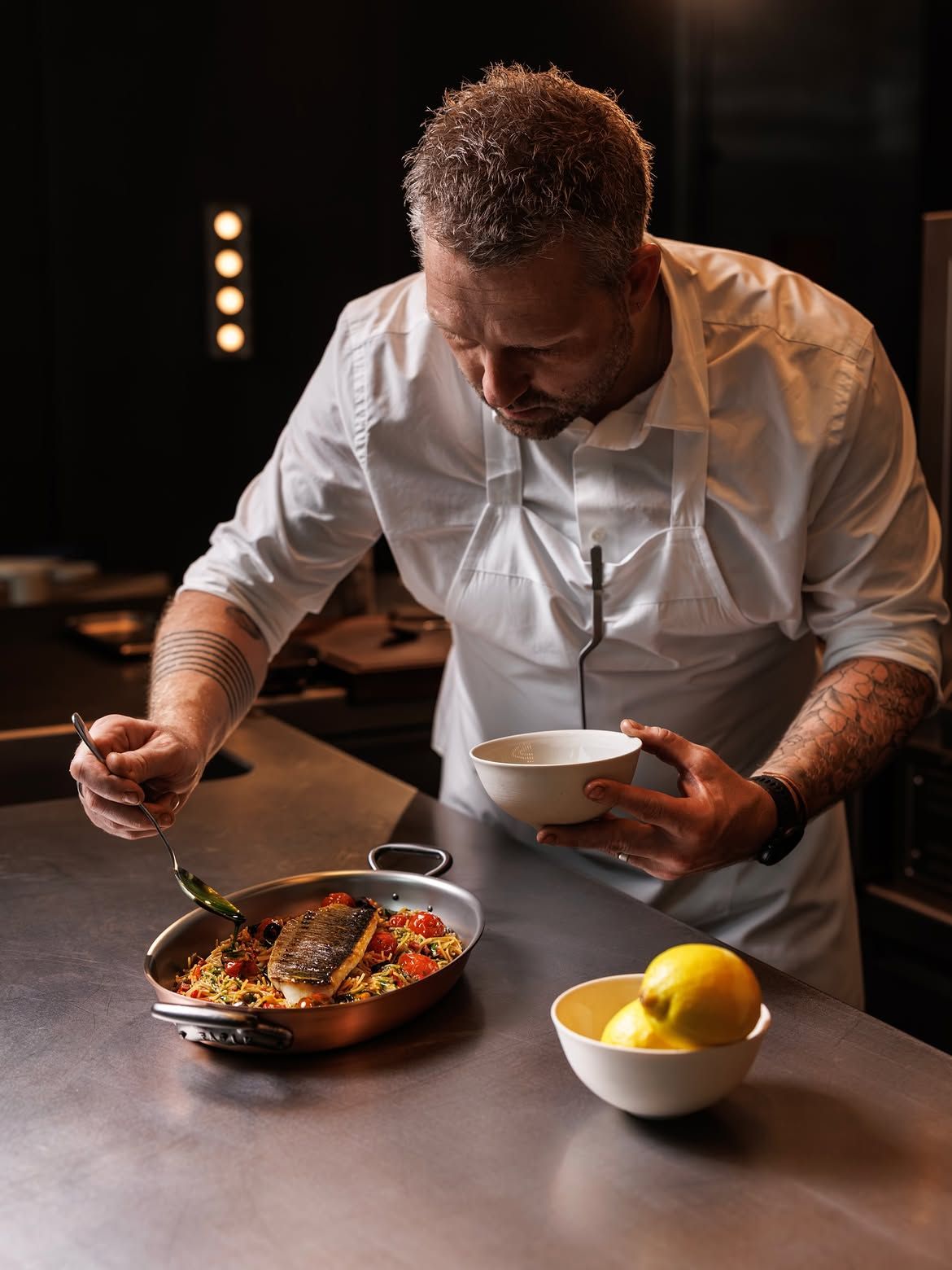
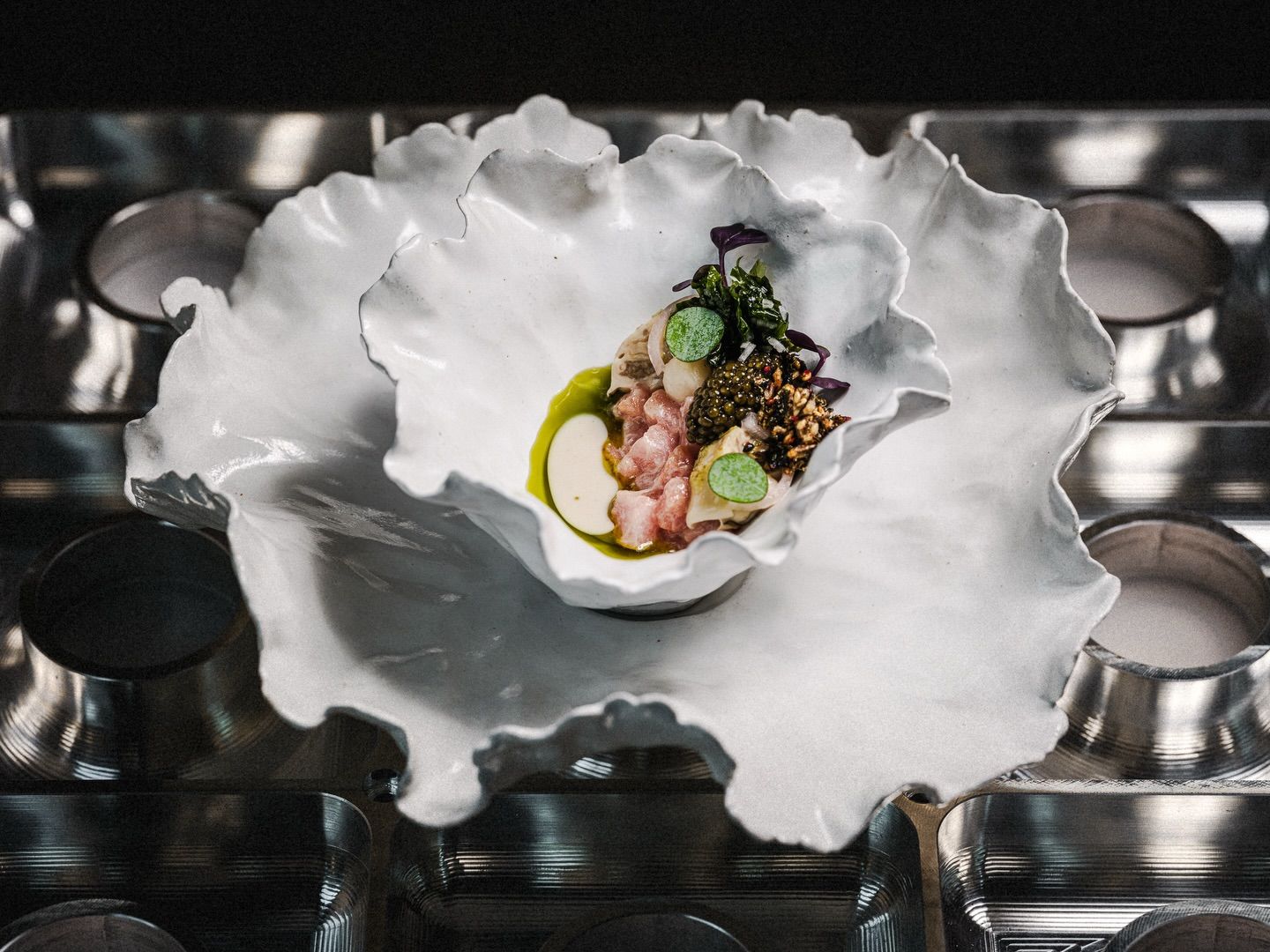
The Michelin Guide describes a “theatrically visible kitchen” and a globe-trotting creativity paired with gutsy sauces, maturing techniques and ingredients allowed to speak for themselves. Its example is fillet of hare with radicchio, bolete mushrooms, fig leaf, blueberries and pistachio. The menus listed by 50 Best include pumpkin with Zoommeer eel and ginger, or a chawanmushi with gambero rosso and truffle. All of it comes with tasting menus that run past 300 euros.
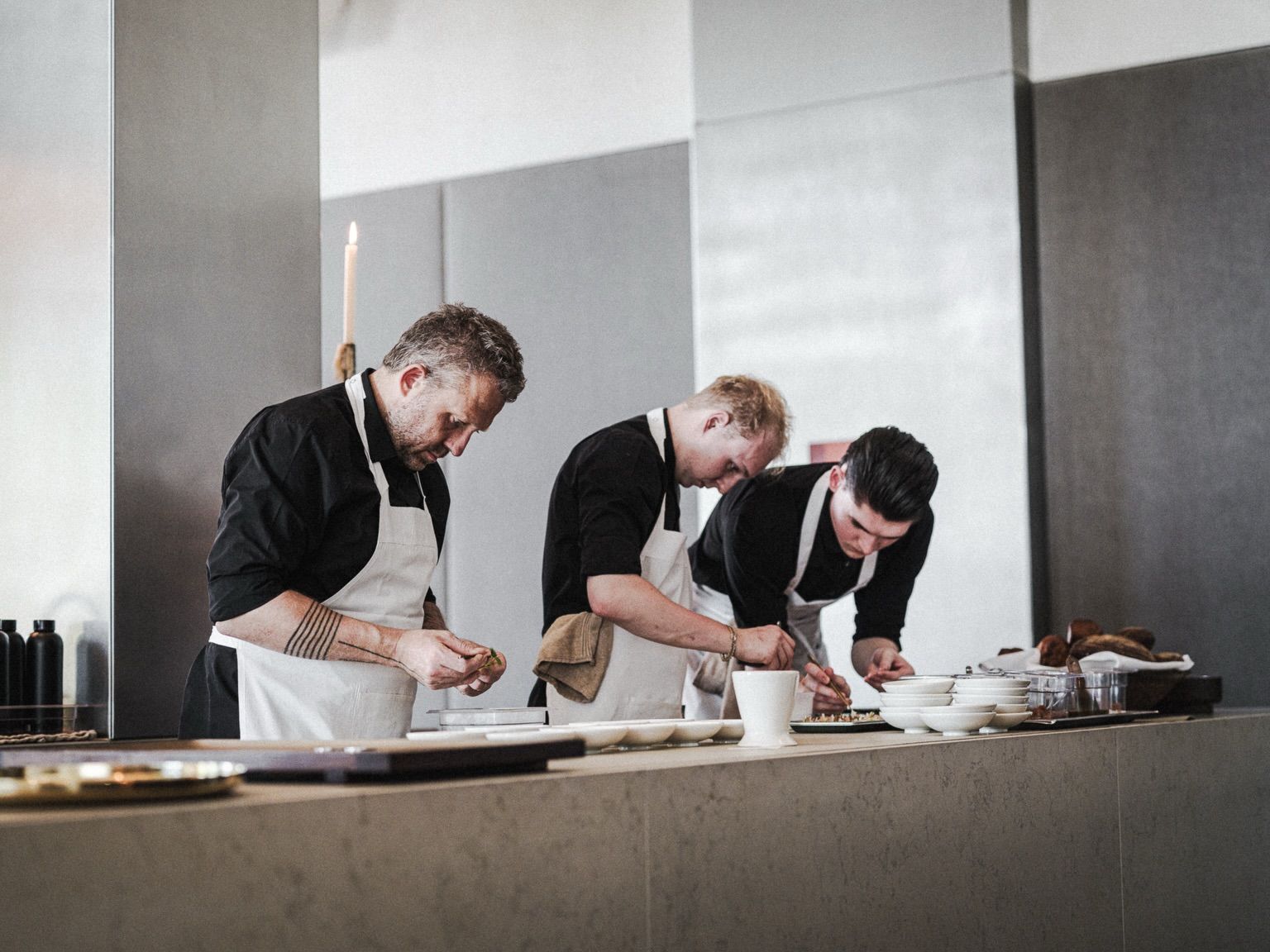
The second star arrived on 4 May 2026. More than the award itself, what interests us is what it confirms: that you can leave behind a chapel that did half the work for you and still fill the room. In the warehouse there is no sacred architecture to lean on. There is a chef who moves between the flames and the guests as if carrying his own show, and a small room of stone and art that has learned to be raw and refined at once.