A La Petite Chaise: The Oldest Dining Room in Paris
There are restaurants in Paris that have history, and then there are restaurants that seem to have absorbed it into the walls. At La Petite Chaise, dinner comes with three centuries of stories, a famously old iron gate and an interior that looks less decorated than inherited.
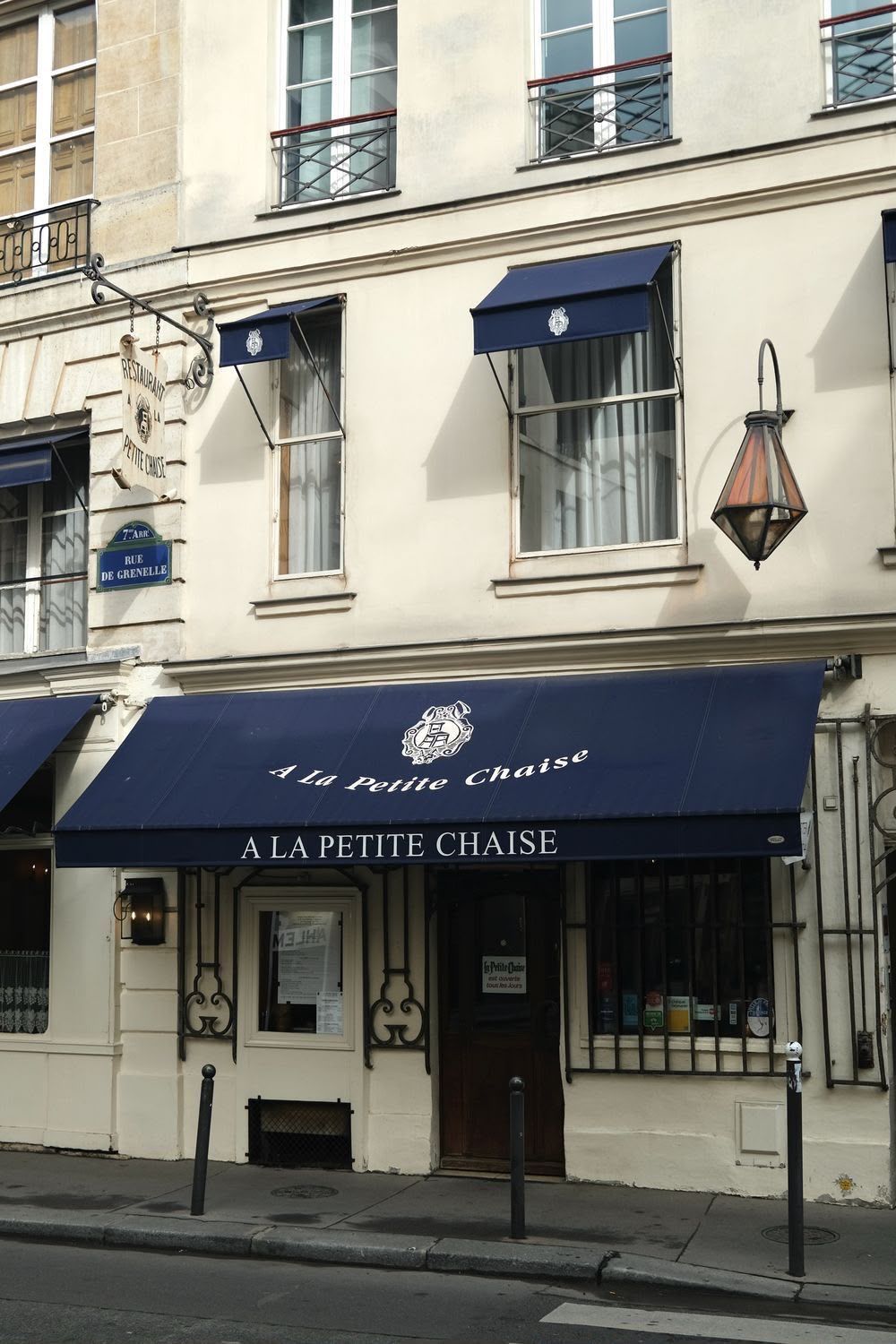
At 36 Rue de Grenelle, behind an iron gate that has been part of the address since 1680, La Petite Chaise has been serving food for longer than most Parisian institutions have been standing. The restaurant describes itself as the oldest in Paris, having maintained a food business on the site without interruption since 1680. The claim has its historical complications, as several Paris restaurants compete for variations of the title, but La Petite Chaise remains one of the city’s oldest continuously operating dining addresses.
Its history is unusually crowded. The restaurant’s own account places figures including Racine, Vidocq and Brillat-Savarin among its former guests, while its list stretches across centuries, from Chateaubriand and Colette to Jean-Paul Sartre. Even the original façade grille is protected as a historic monument.
But La Petite Chaise is not particularly interested in behaving like a museum.
In 2024, the restaurant reopened after a new group of owners took over the business and commissioned an extensive renovation. The challenge was obvious: how do you give a place that has survived since the reign of Louis XIV a new life without making it look newly made?
The answer is largely visible before the first plate arrives.
A Room That Looks Inherited
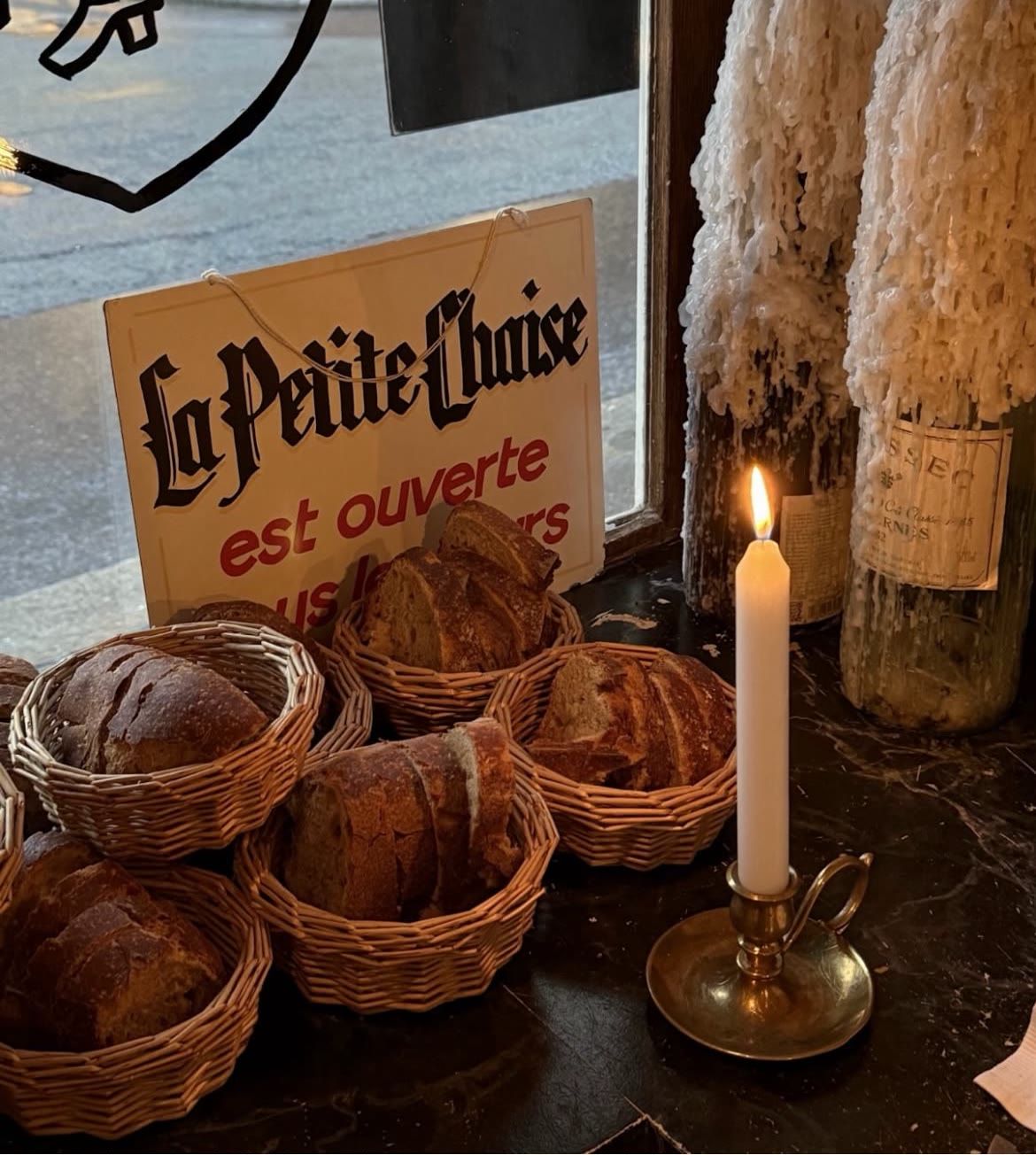
The renovation was entrusted to interior designer Johanna Amatoury, whose work is often rooted in the history of a place rather than imposed upon it. Her own design philosophy centres on creating spaces in which past and present coexist, with an emphasis on materials, atmosphere and the stories already contained in a building. La Petite Chaise is a particularly good fit for that approach.
The result is deliberately difficult to date.
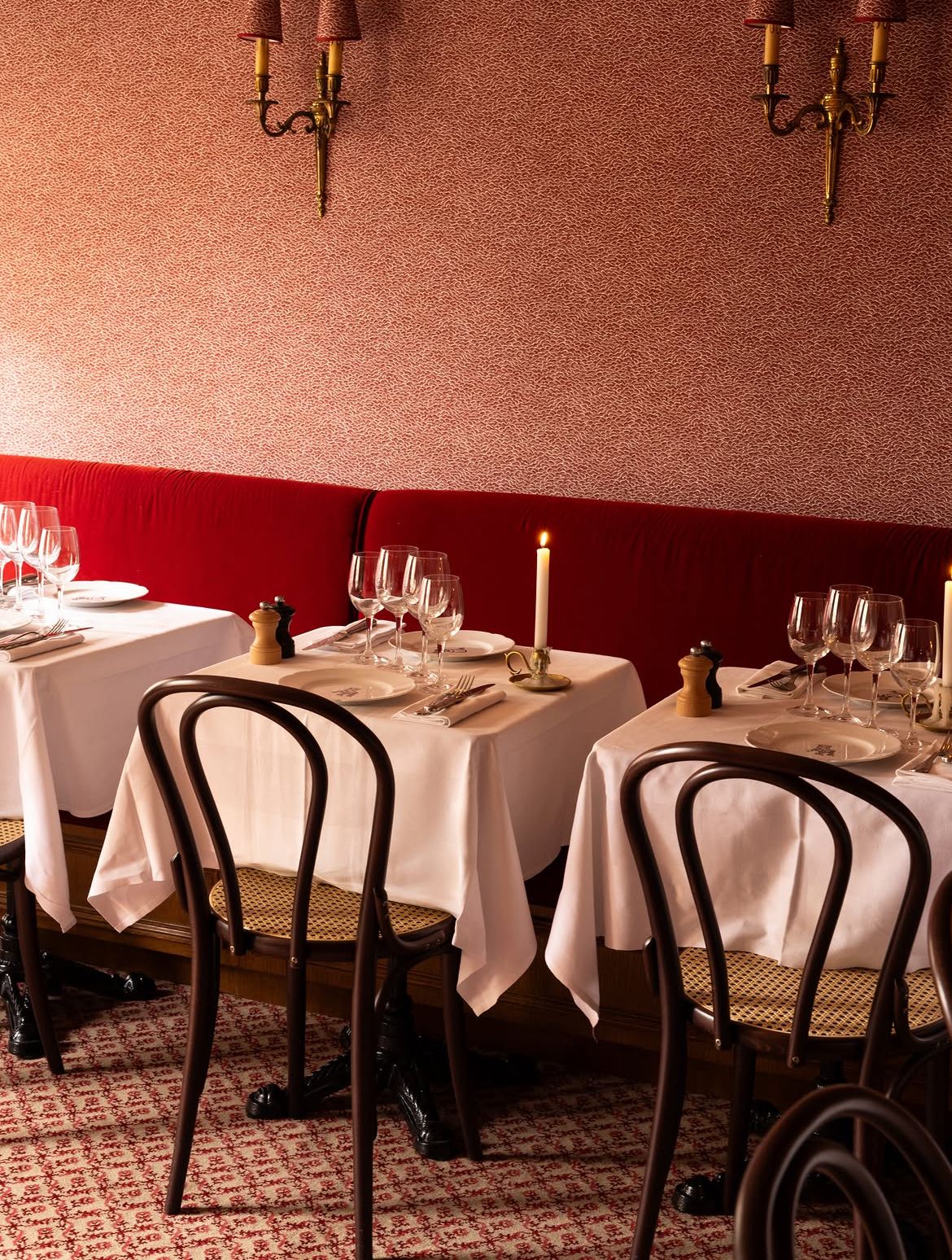
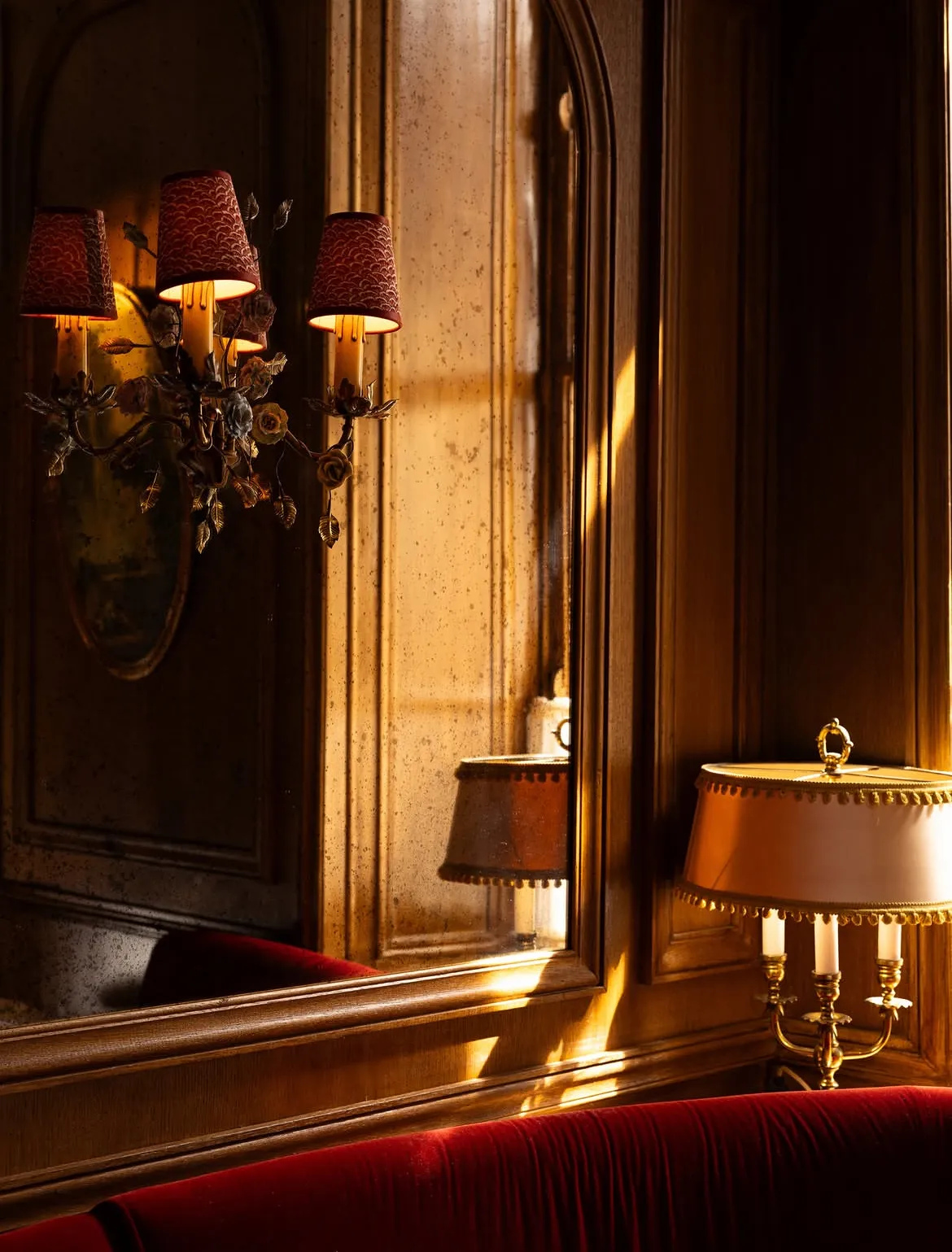
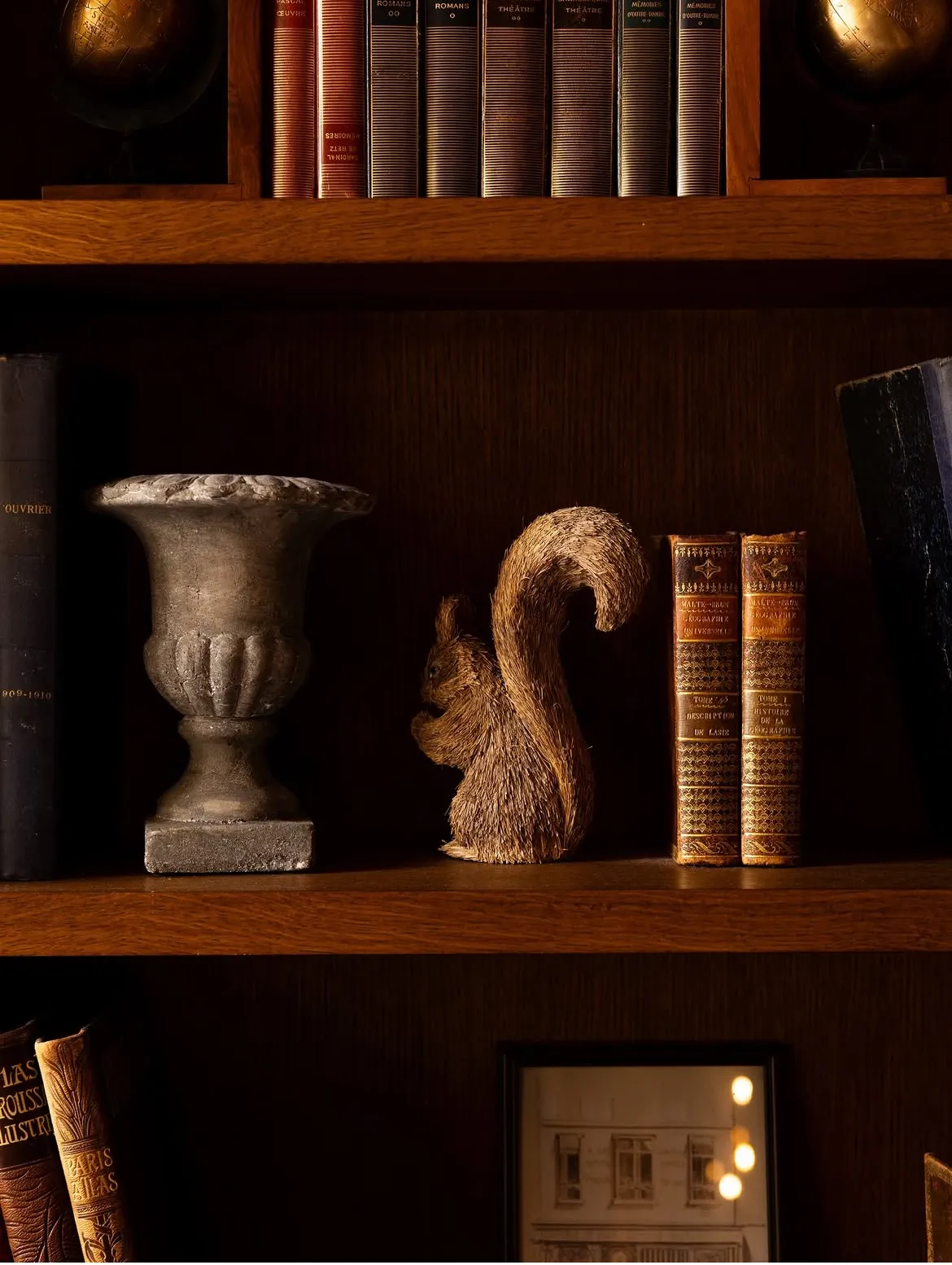
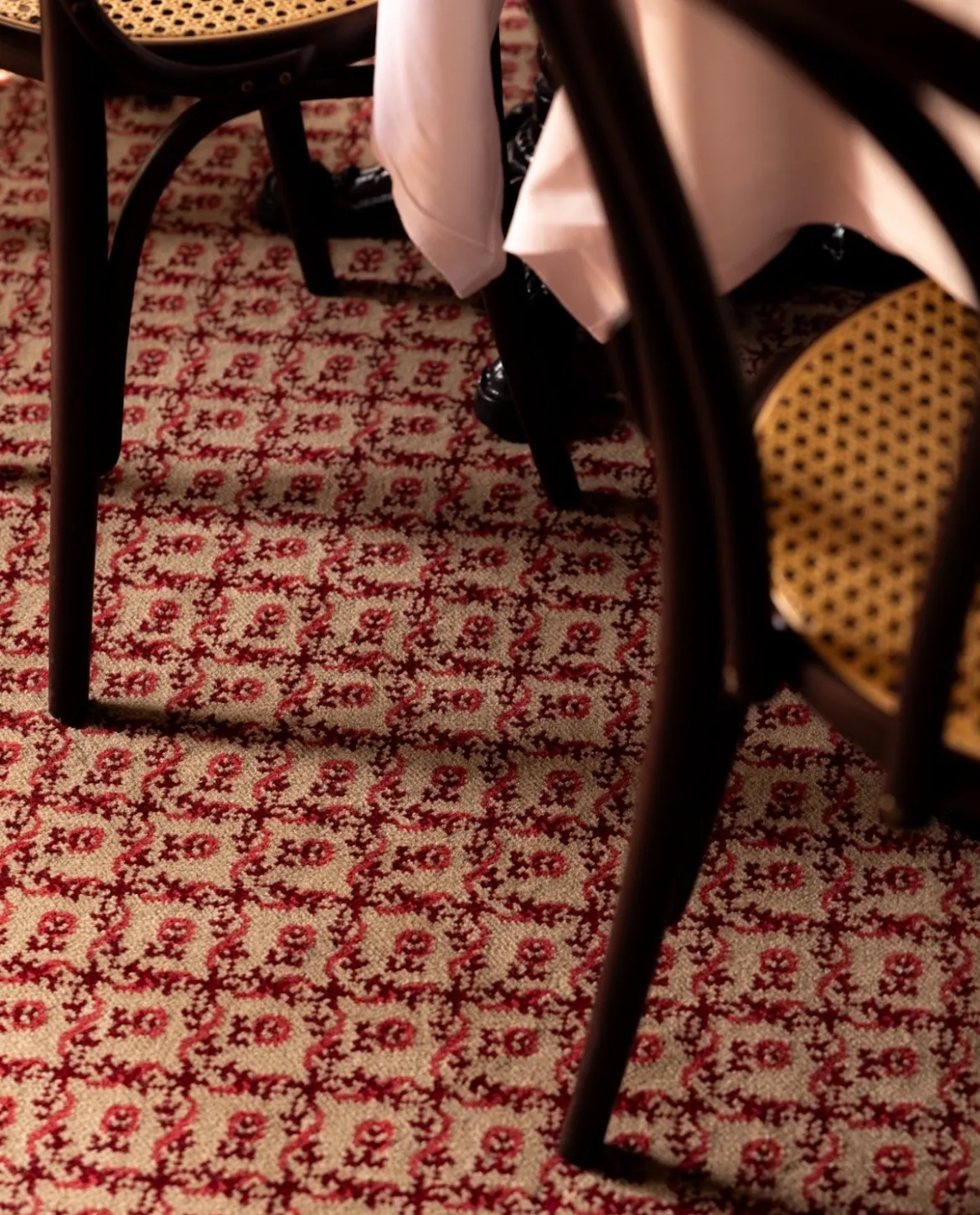
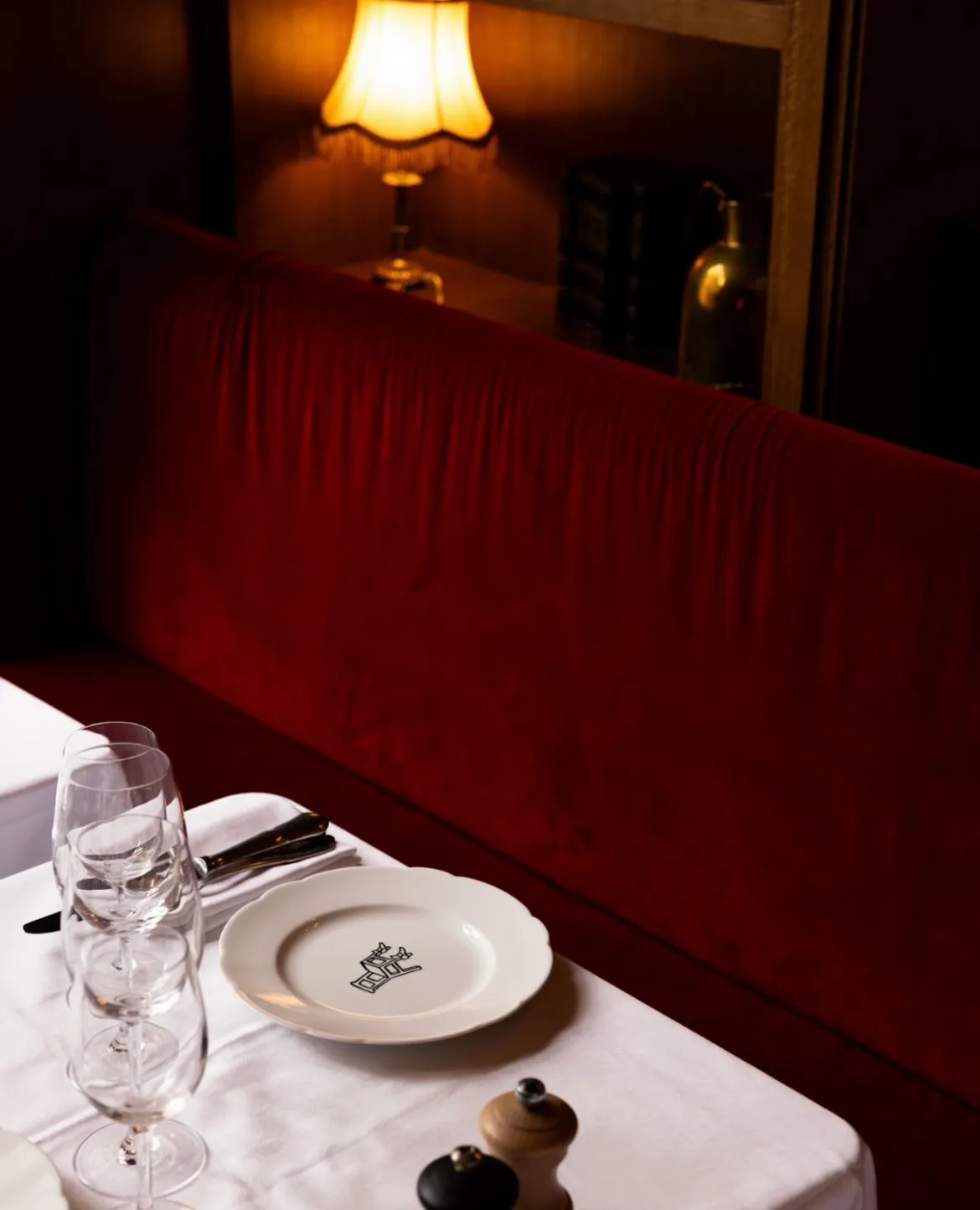
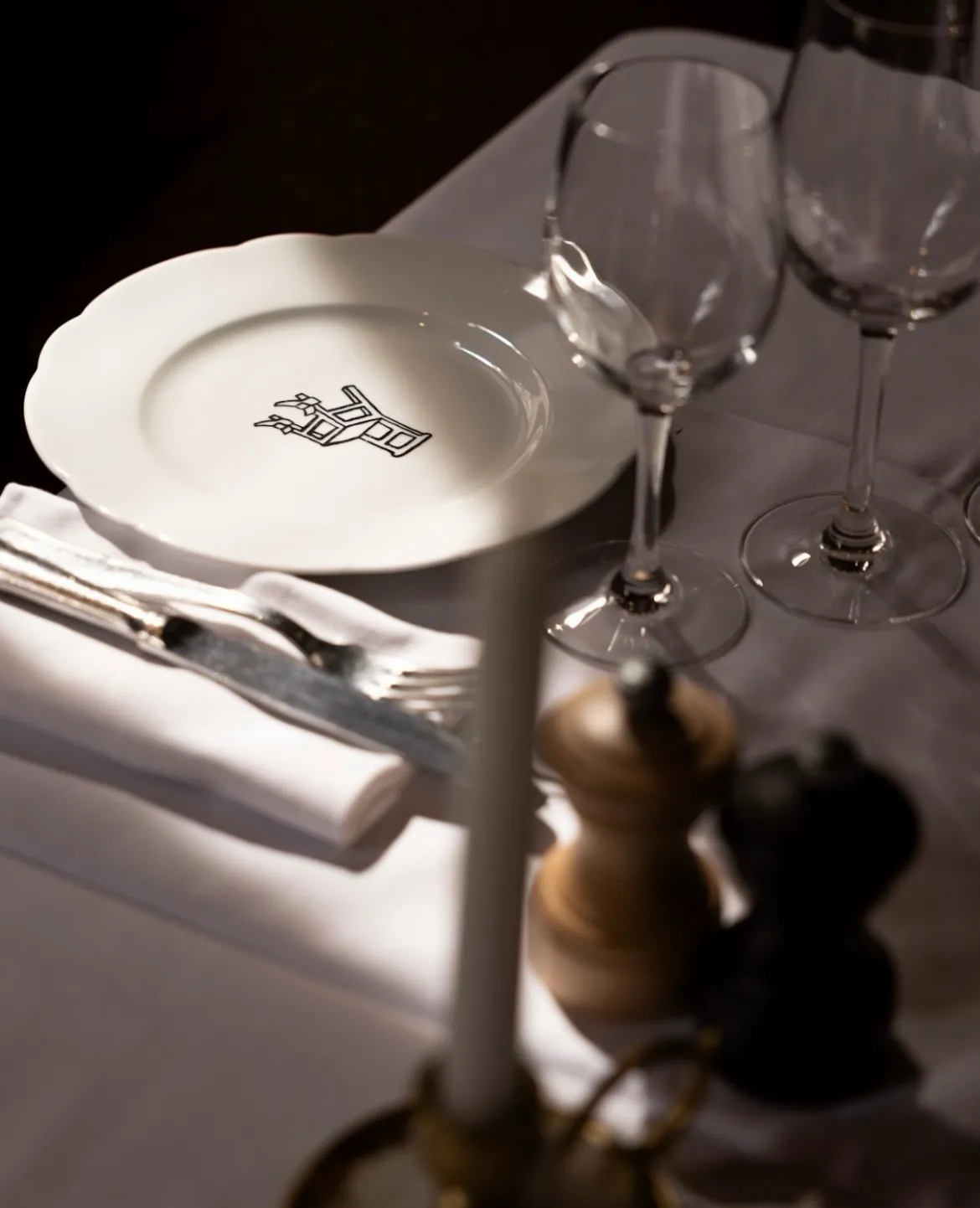
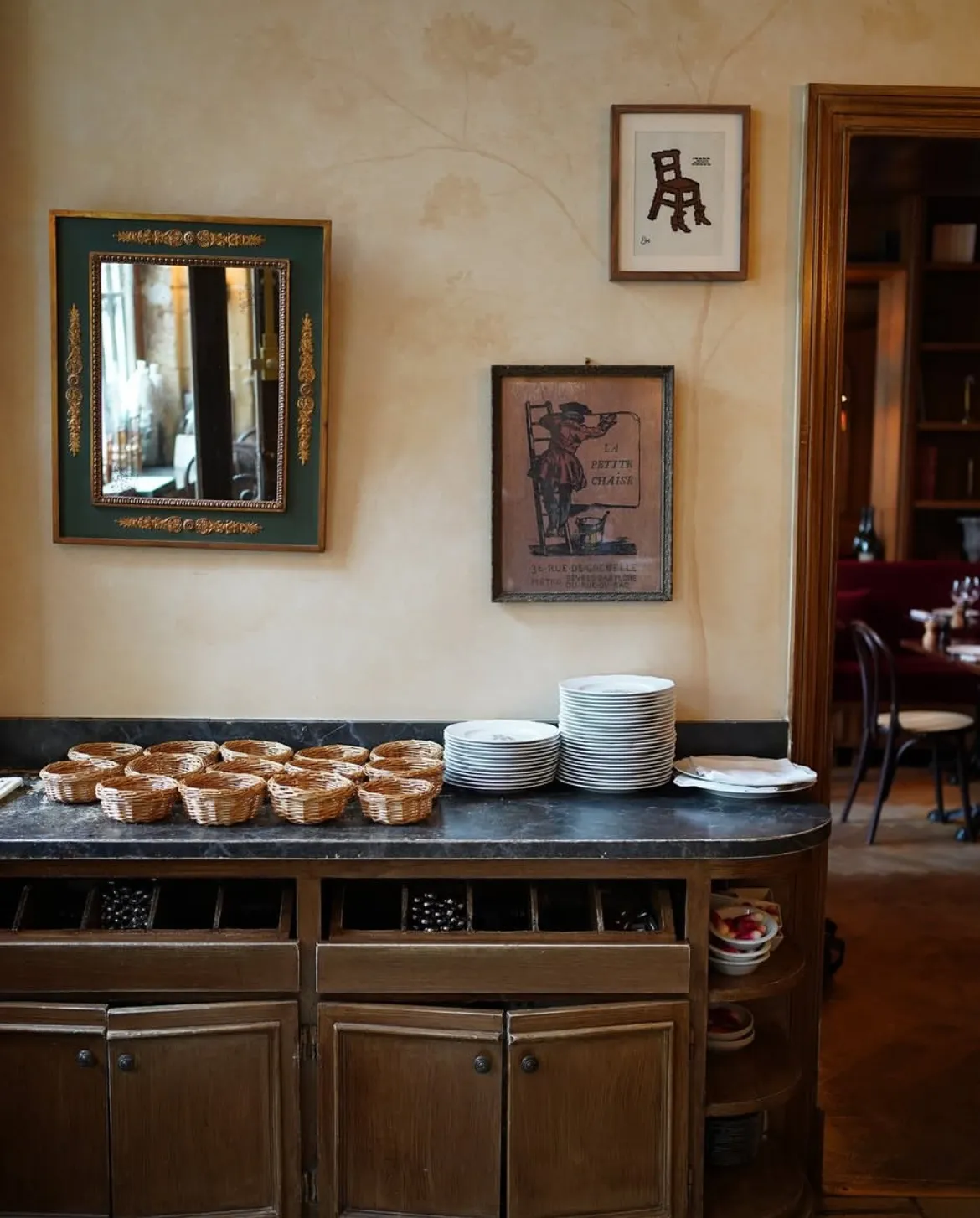
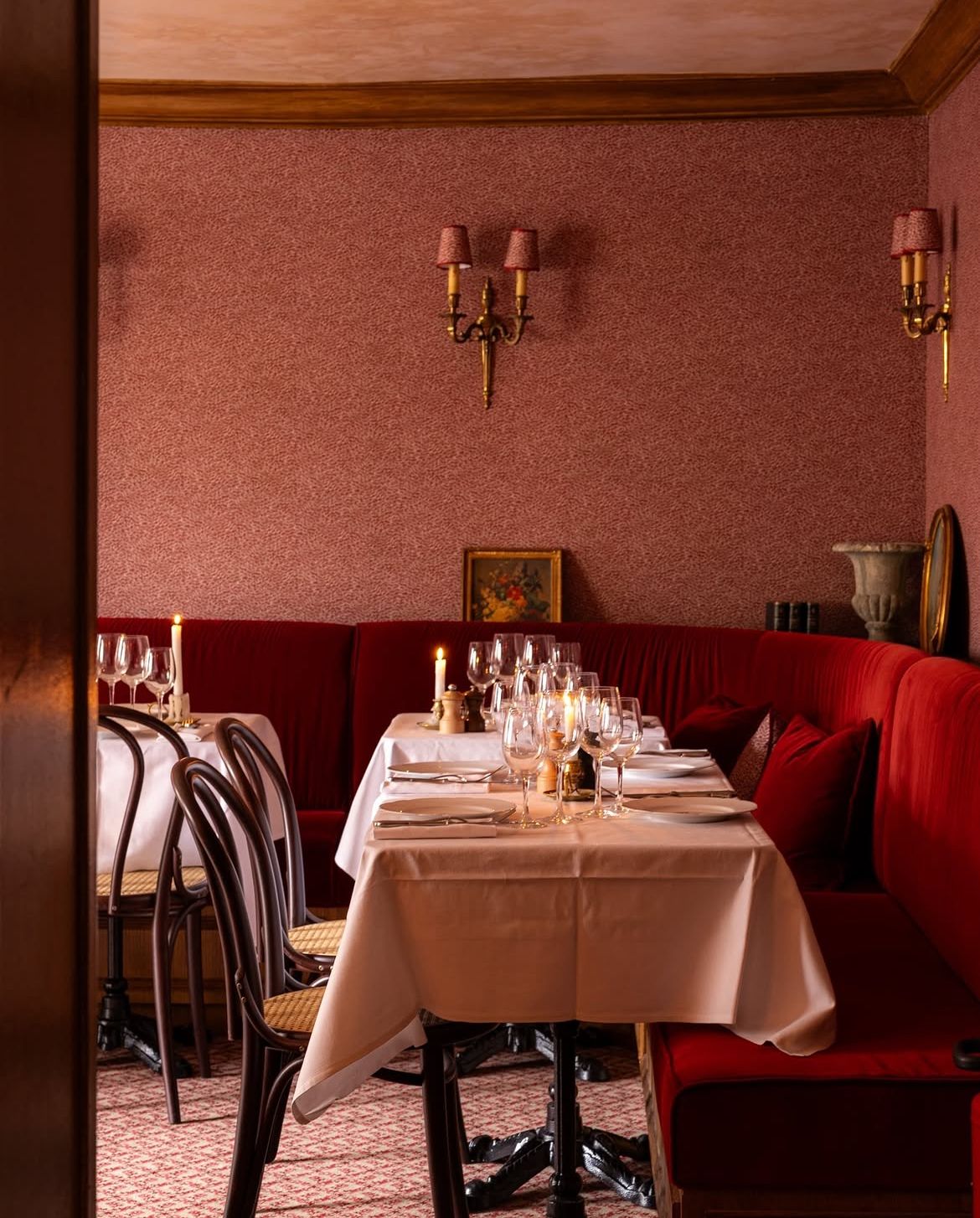
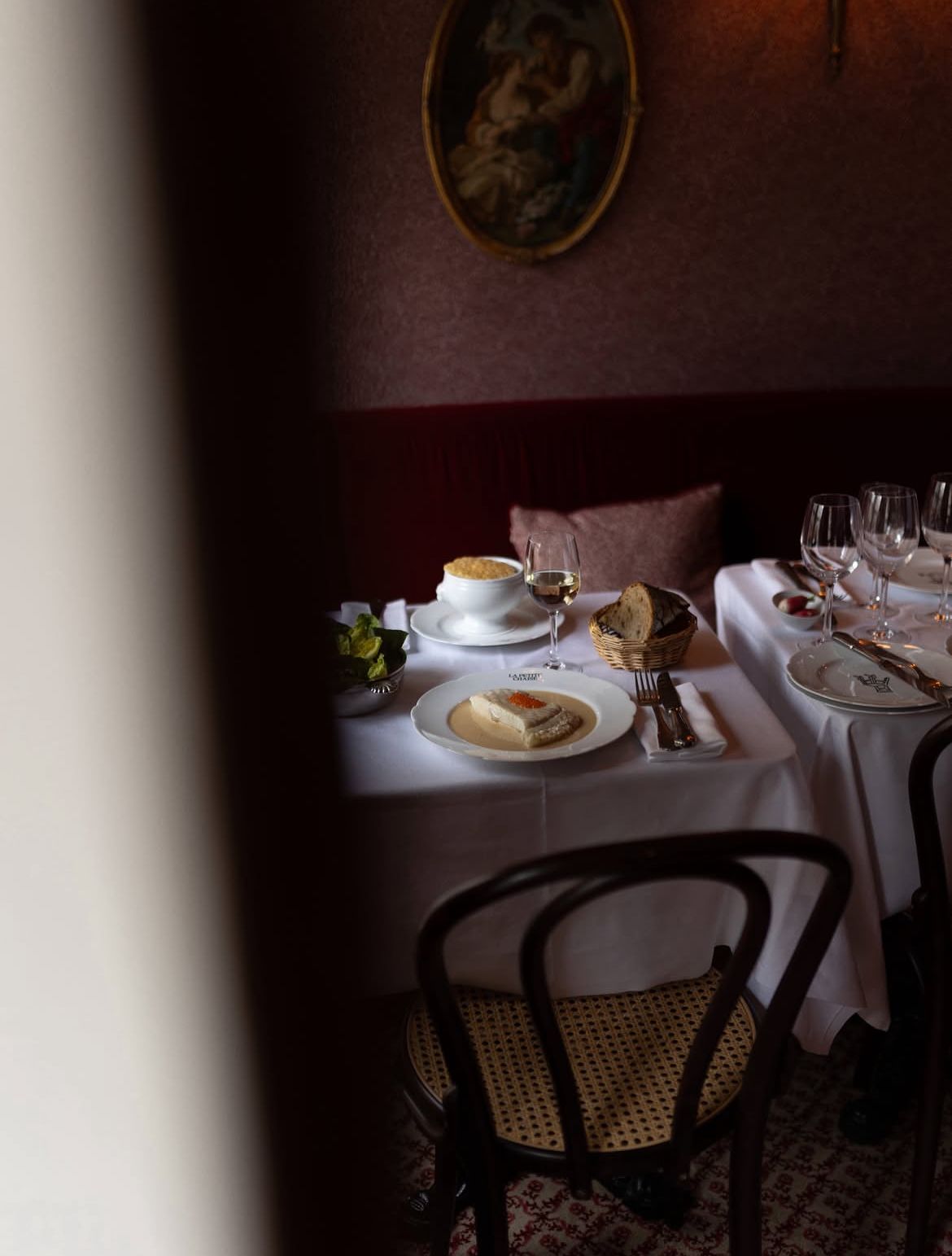
Carpeted floors, velvet seating, dark wood, old furniture and patinated surfaces create the feeling of a dining room that has accumulated rather than been decorated. There is an antique quality to it, but not the theatrical kind. Nothing seems to be shouting “historic Paris”. It simply looks as though someone has been eating here for a very long time.
That distinction matters. The restaurant’s 2024 renovation preserved elements including its century-old bar while reorganising the space into three dining rooms across the ground and first floors.
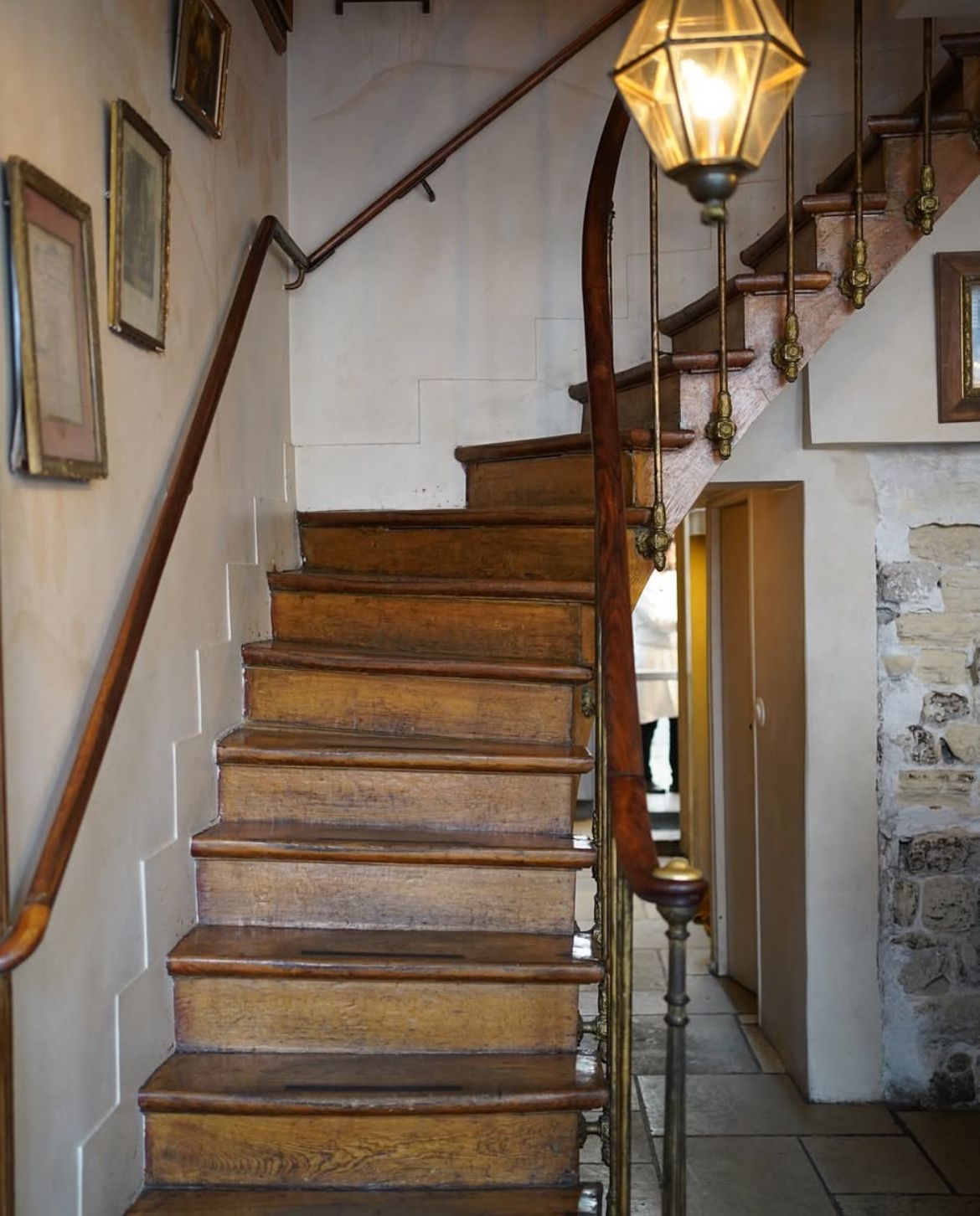
And then there is the staircase.
One of the restaurant’s most recognisable details, it gives the place a sense of theatrical progression without turning the experience into spectacle. You enter from the street, leave the noise of Rue de Grenelle behind and move upwards into another version of Paris.
It is precisely the sort of transition that makes an old restaurant feel alive rather than preserved.
Classic French, Without the Costume
The kitchen follows much the same logic.
Chef Thibaut Repéto, a Béarnais chef who trained at the hospitality school in Biarritz and has worked in both Ibiza and Paris, took over the kitchen as part of the restaurant’s new chapter. He has been credited with helping bring a younger energy to a dining room that had, according to Le Parisien, lost some of its former lustre.
His approach is not to reinvent French cooking for the sake of it. It is to make the classics feel worth ordering again.
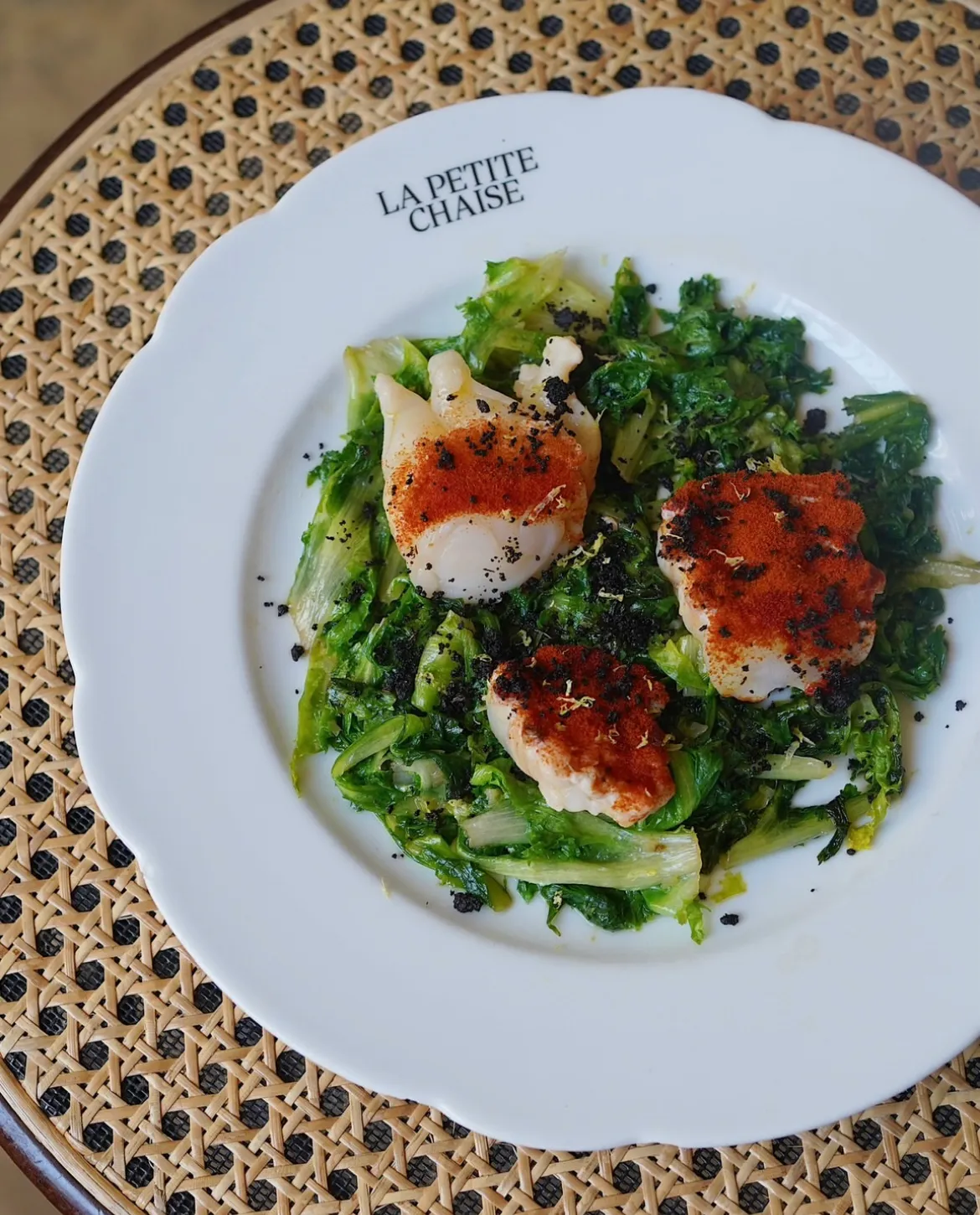
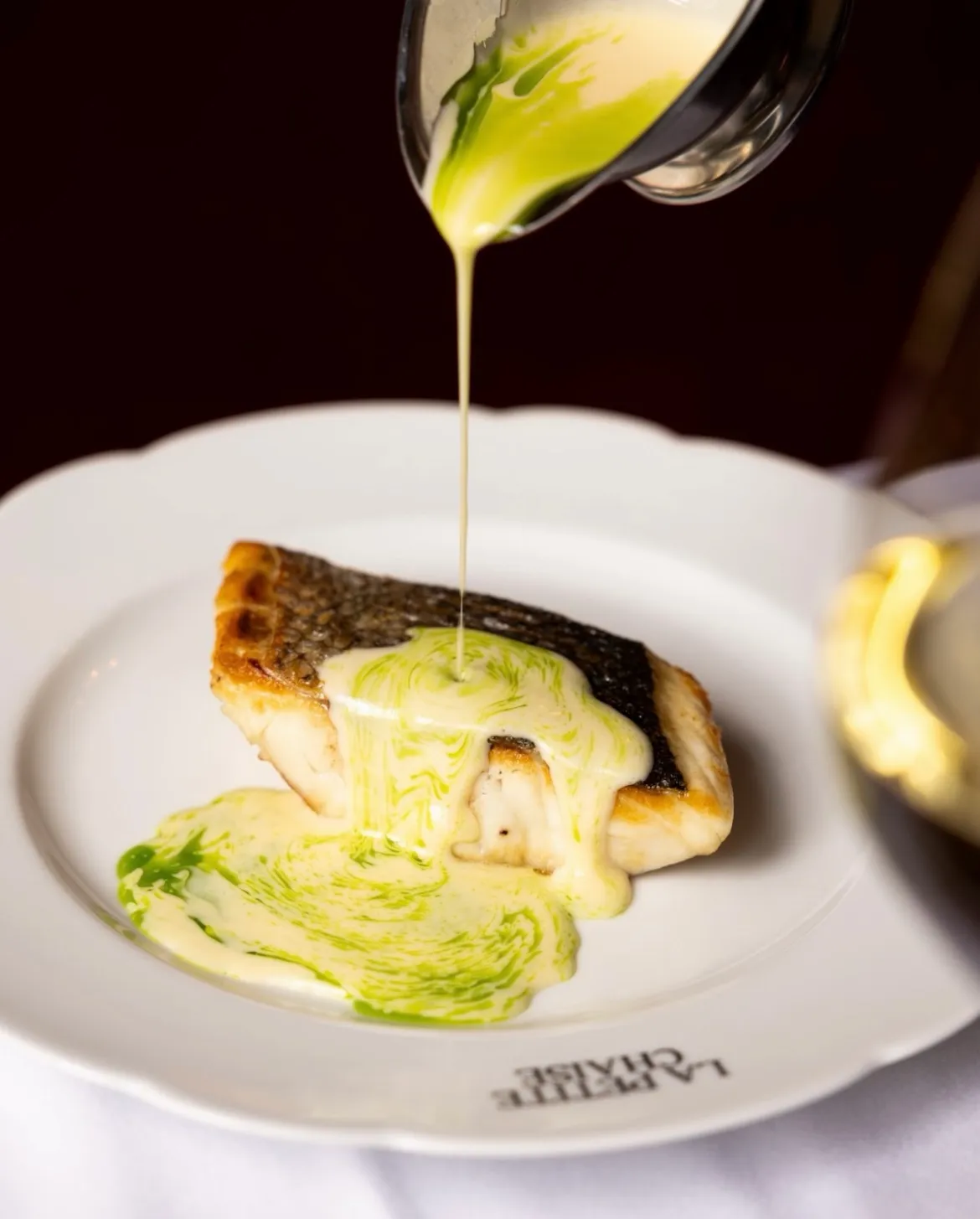
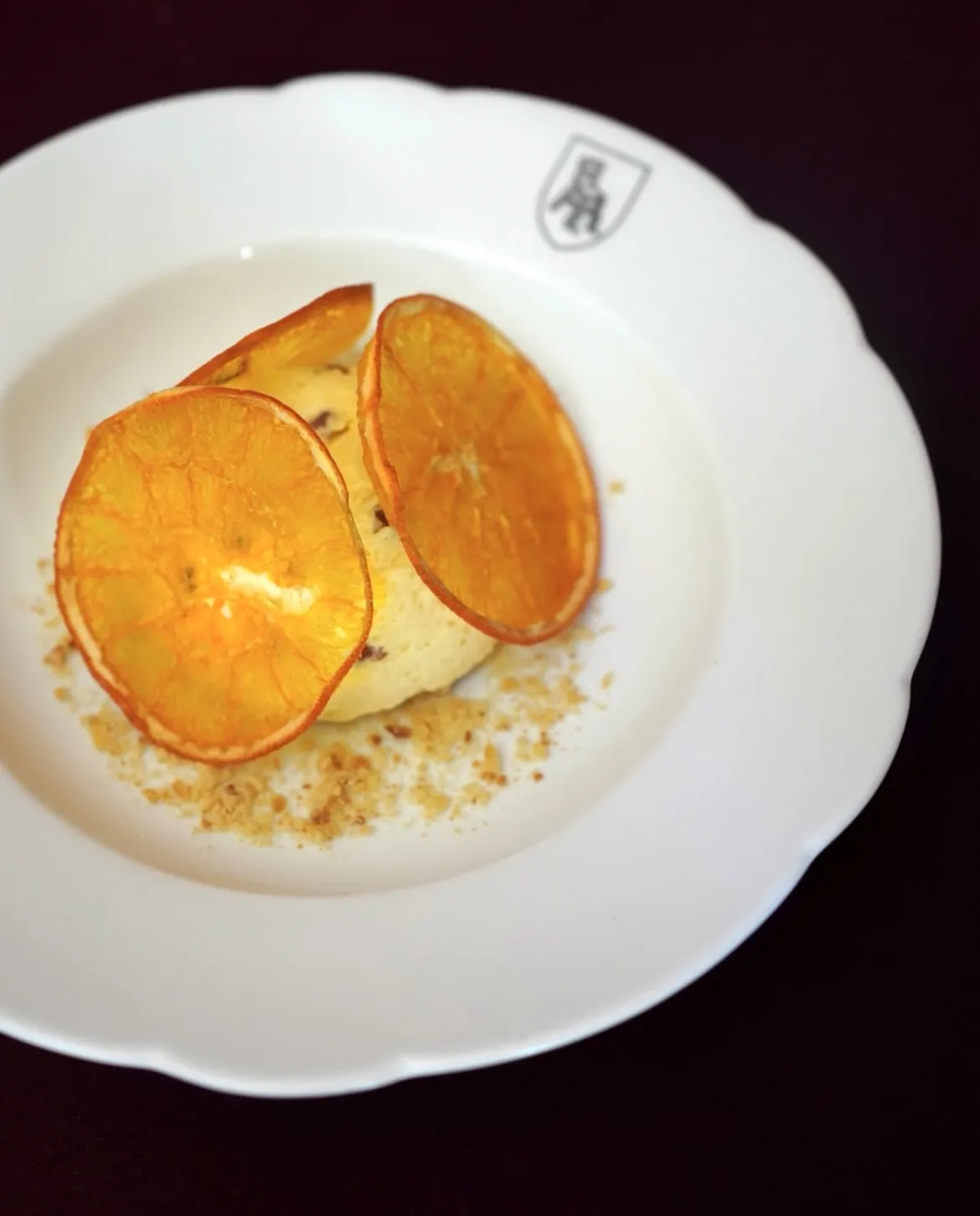
The current menu moves between the land and the sea: seasonal veal chop, beef tenderloin and a rib of beef designed for sharing sit alongside wild sea bass with beurre blanc, sole meunière and slipper lobster with shell butter. There are also unmistakably French staples such as onion soup, pâté en croûte and steak tartare, followed by desserts including tarte Tatin and the restaurant’s soufflé glacé Rothschild.
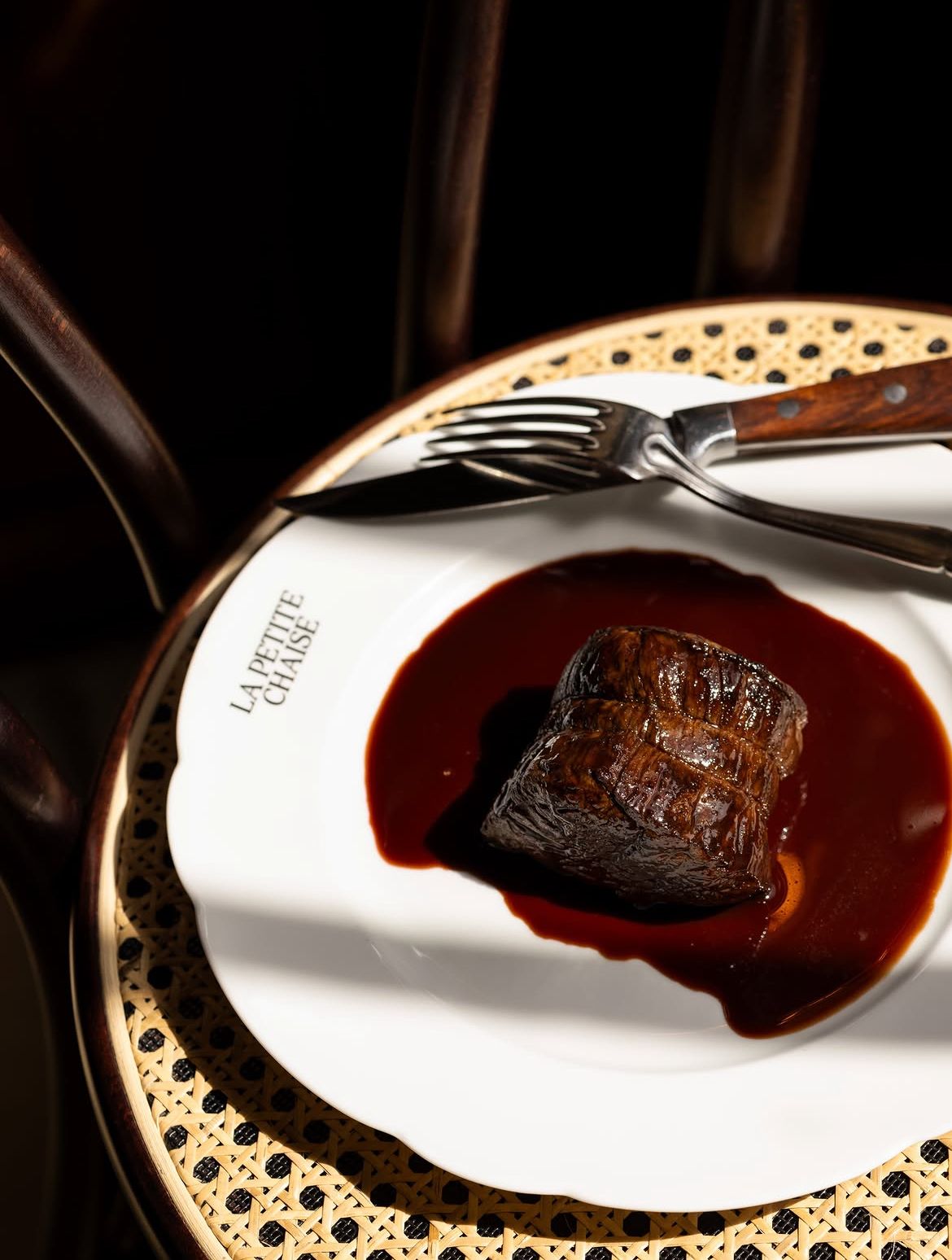
The point is not nostalgia for nostalgia’s sake. The food uses the vocabulary of the traditional French dining room while allowing the cooking to feel contemporary enough for today.
It is a difficult balance, particularly in a restaurant whose greatest selling point could so easily become its past.
The Art of Not Looking New
There is something increasingly appealing about restaurants that understand that renovation does not have to mean reinvention.
La Petite Chaise could have turned its history into a concept. Instead, its new chapter is quieter. The owners, including Raphaël Raingold, Antoine Arnault and Alexandre de Rothschild, acquired the business in 2024 and reopened it after the renovation with the ambition of restoring its lustre without losing its character.
That is perhaps why the place feels particularly relevant now.
Paris has no shortage of restaurants designed to look old. La Petite Chaise has the more difficult advantage of actually being old. The trick is making that history feel pleasurable rather than burdensome.
A meal here is not necessarily about tracing three centuries of French gastronomy. It is about sitting in a room that has already witnessed an extraordinary number of dinners, ordering something as simple as an onion soup or a côte de bœuf, and letting the city carry on outside.
Then comes the staircase again, on the way out.
For a moment, La Petite Chaise gives you the feeling that Paris has been going on without you for a few centuries. And then you step back onto Rue de Grenelle and rejoin it.
In pictures Image 1 of 9
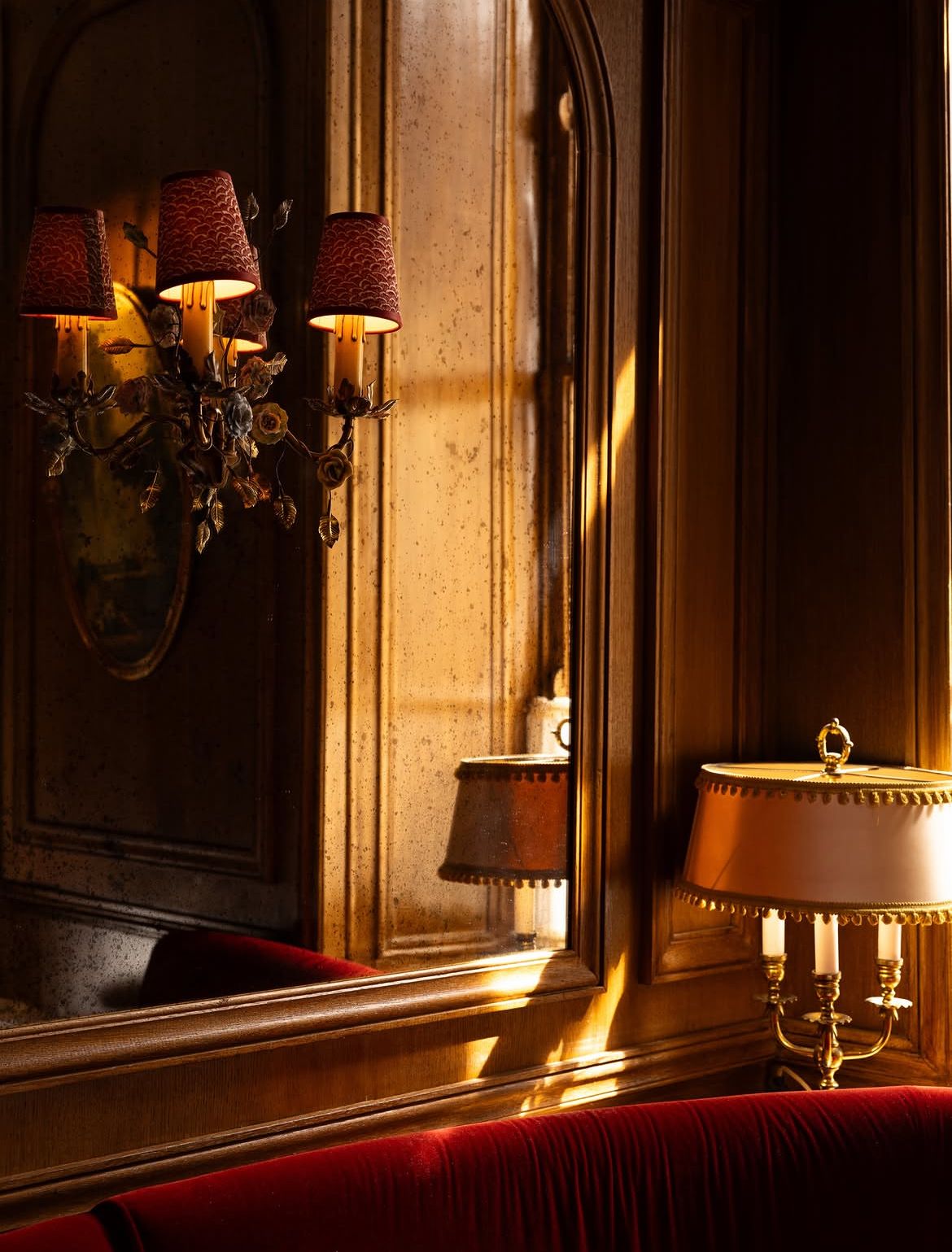
Photo: A La Petite Chaise 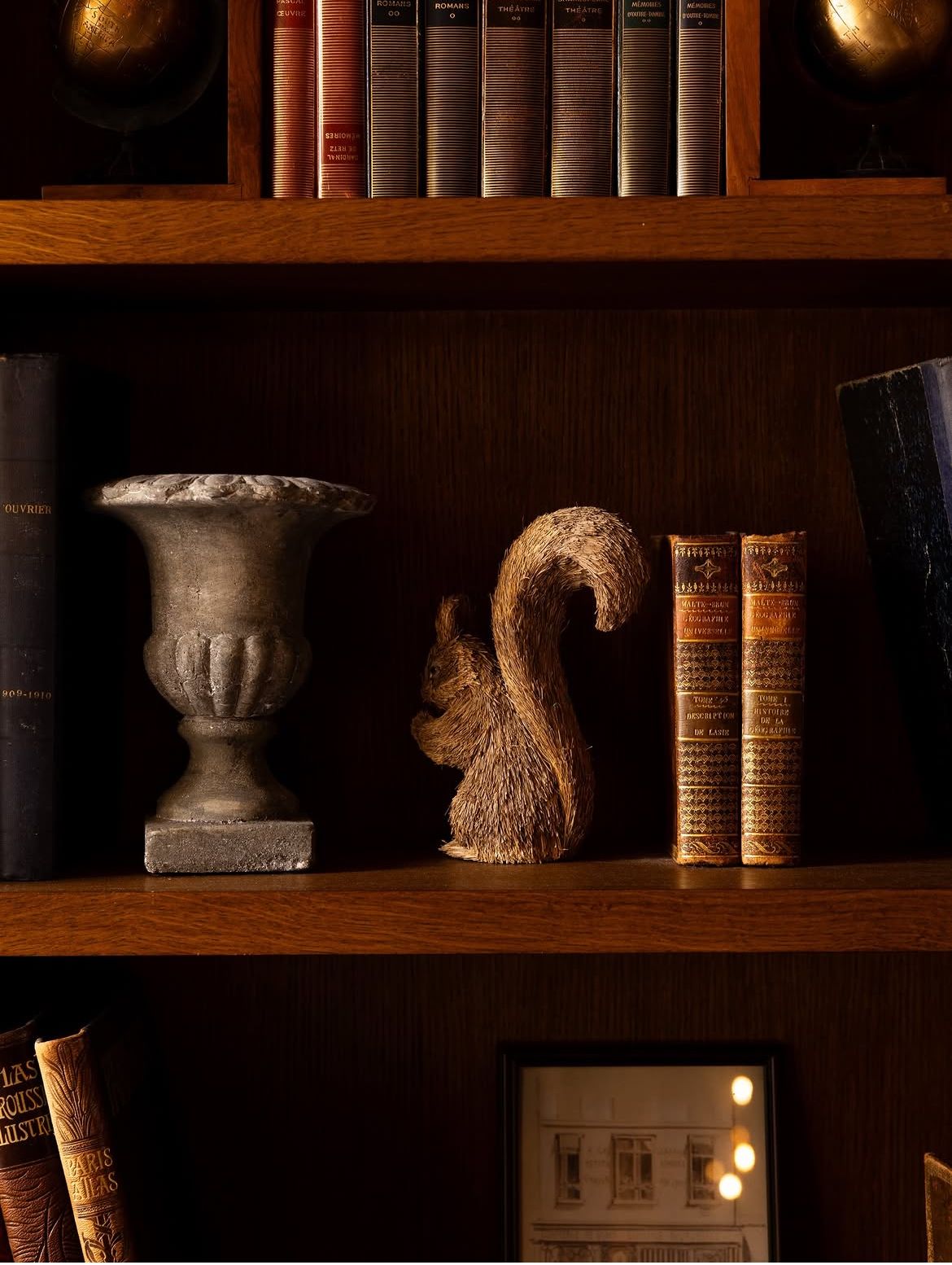
Photo: A La Petite Chaise 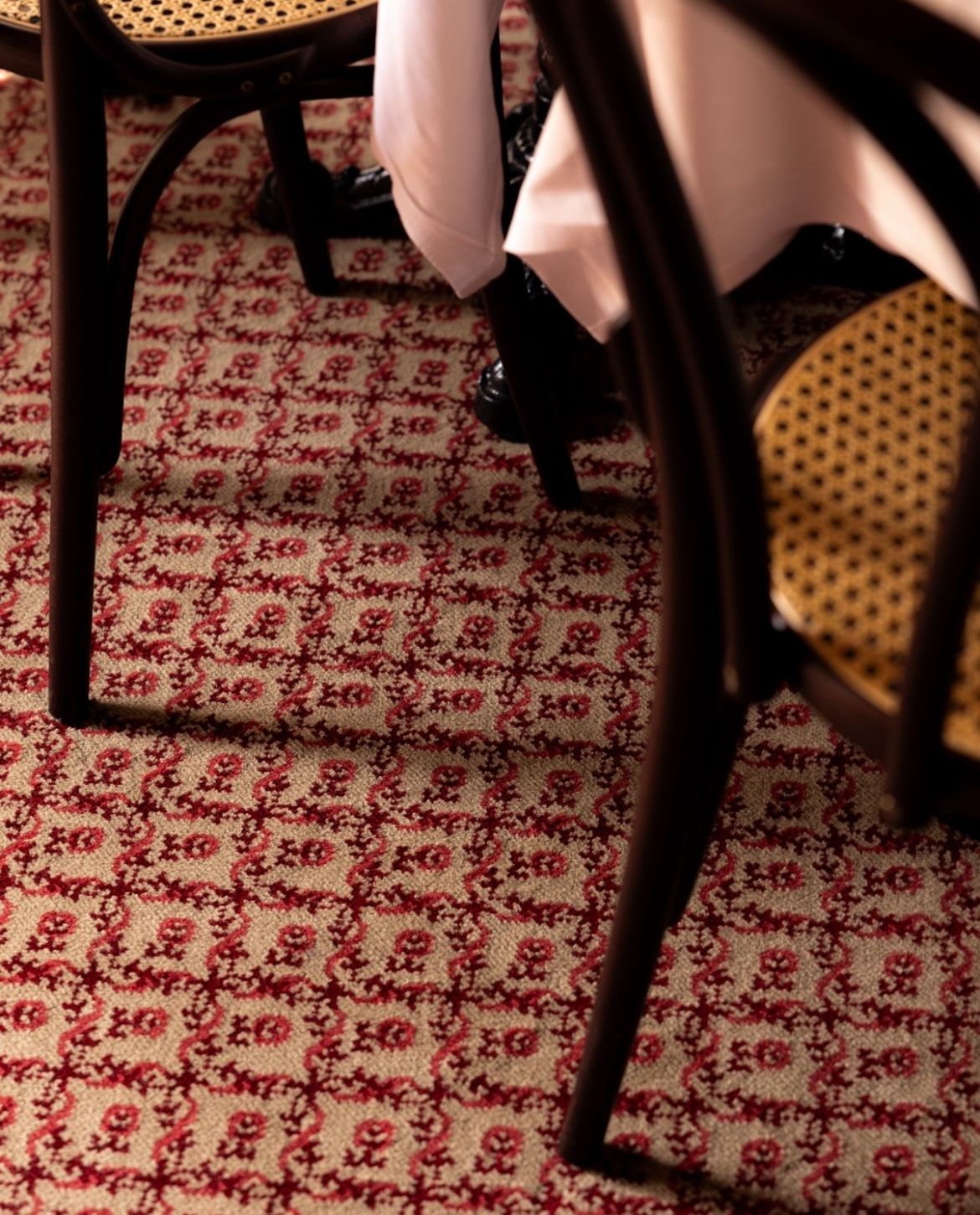
Photo: A La Petite Chaise 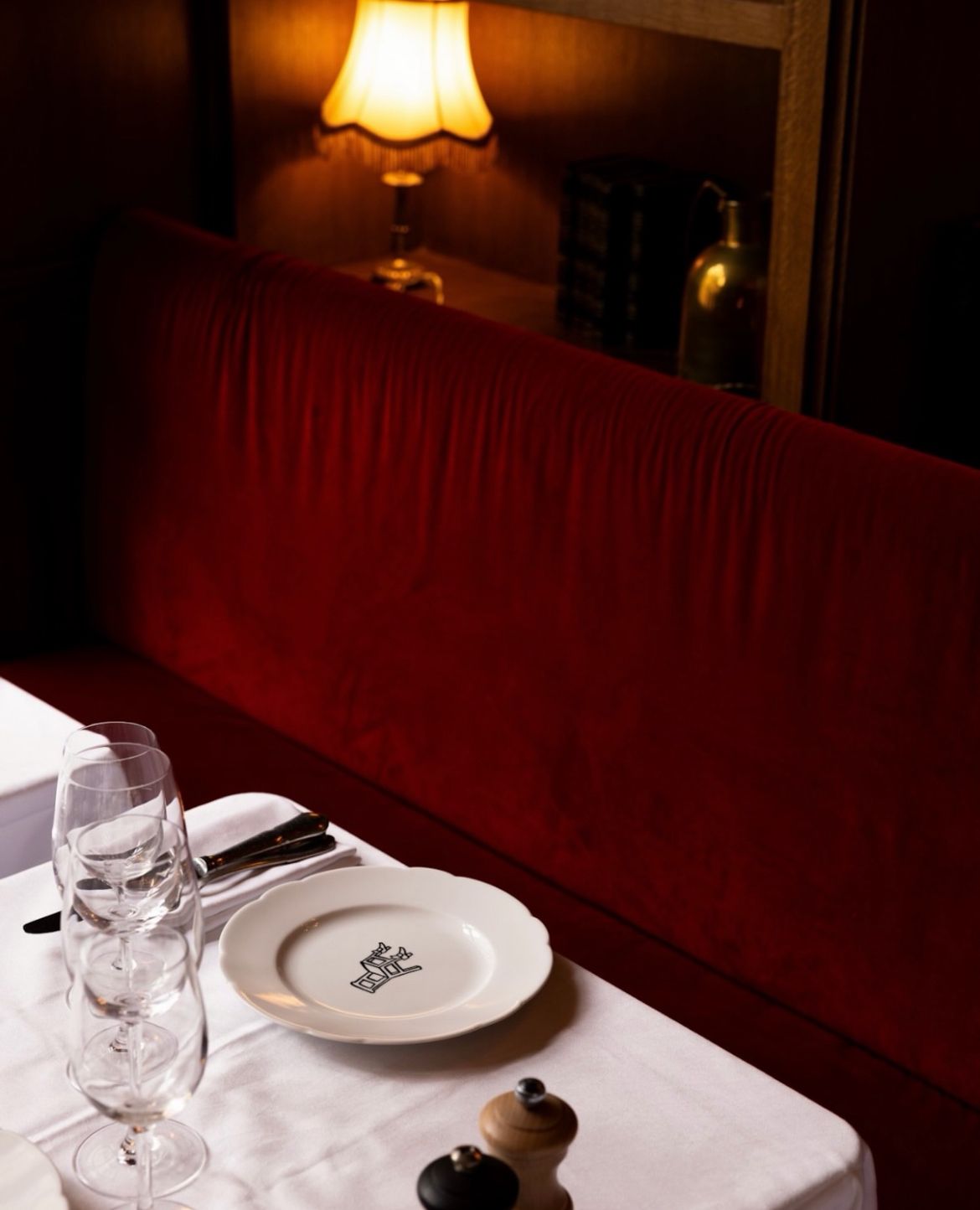
Photo: A La Petite Chaise 
Photo: A La Petite Chaise 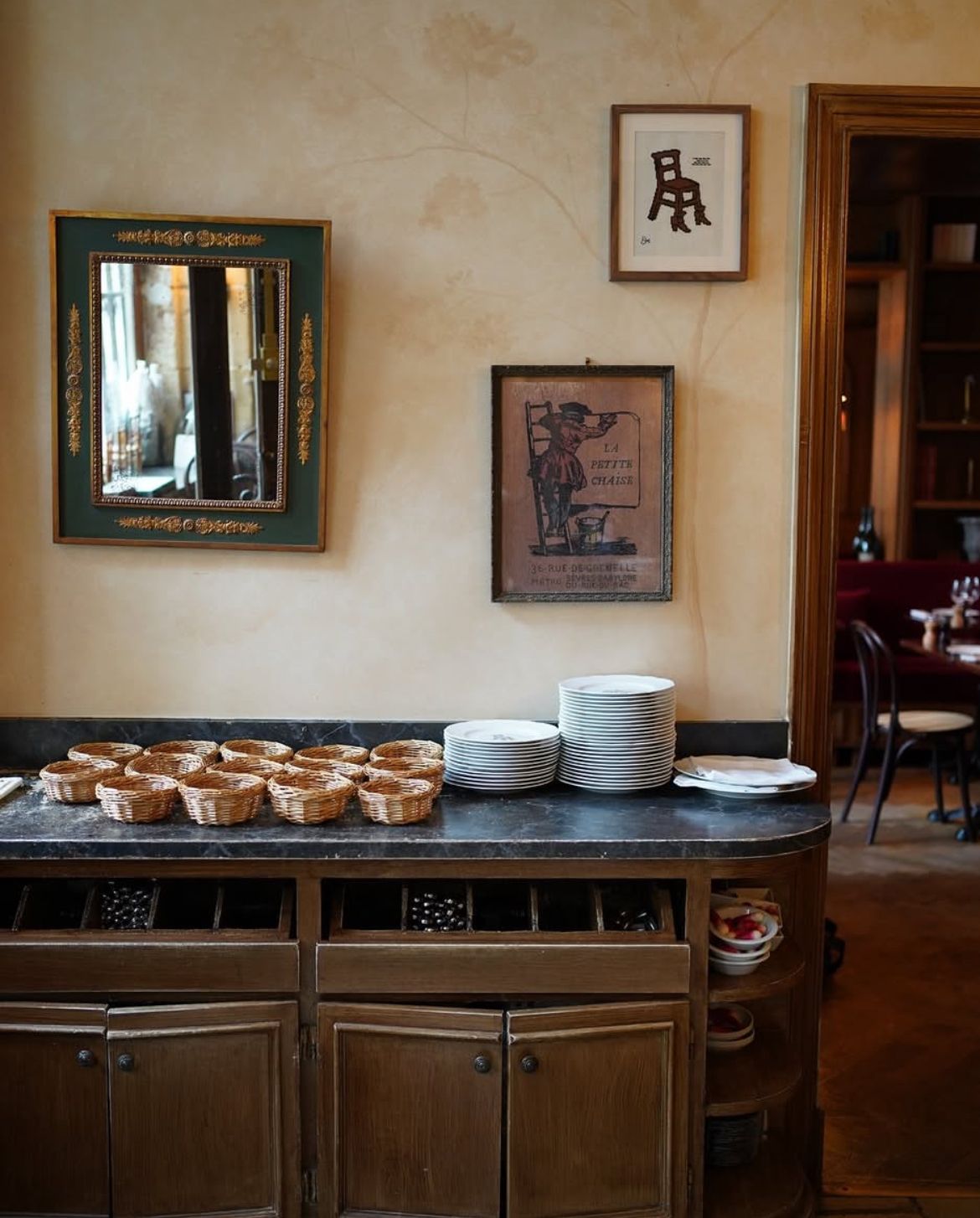
Photo: A La Petite Chaise 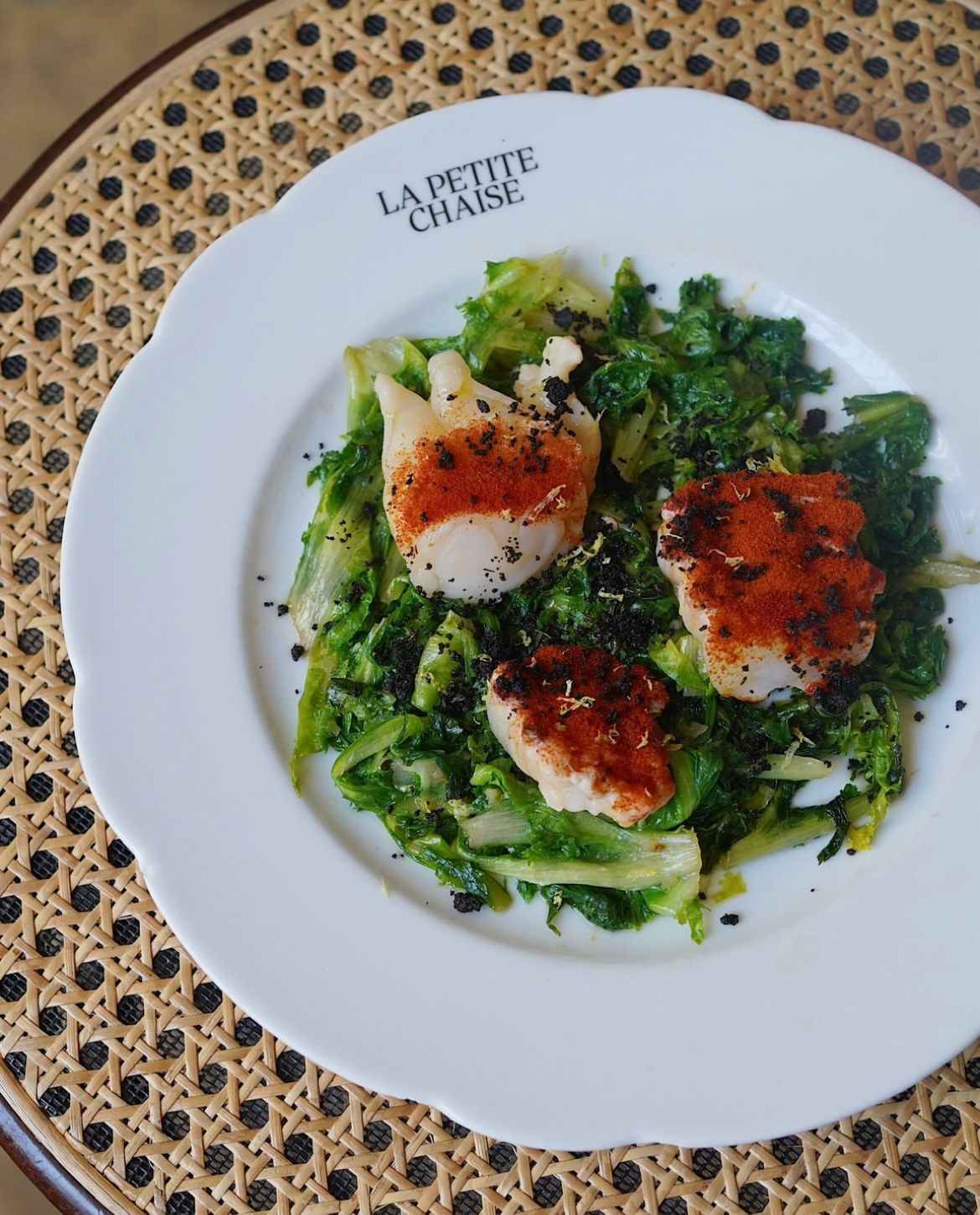
Photo: A La Petite Chaise 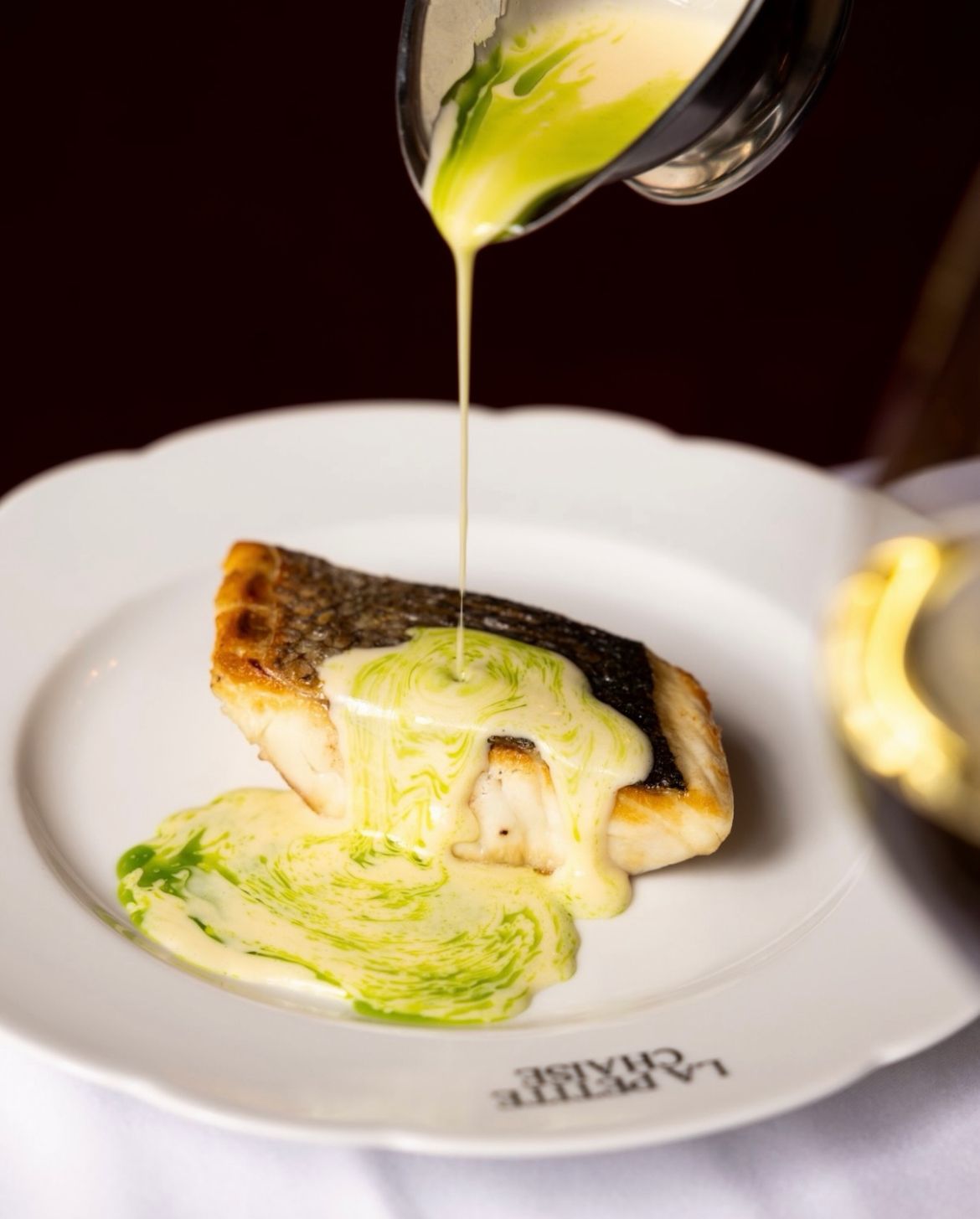
Photo: A La Petite Chaise 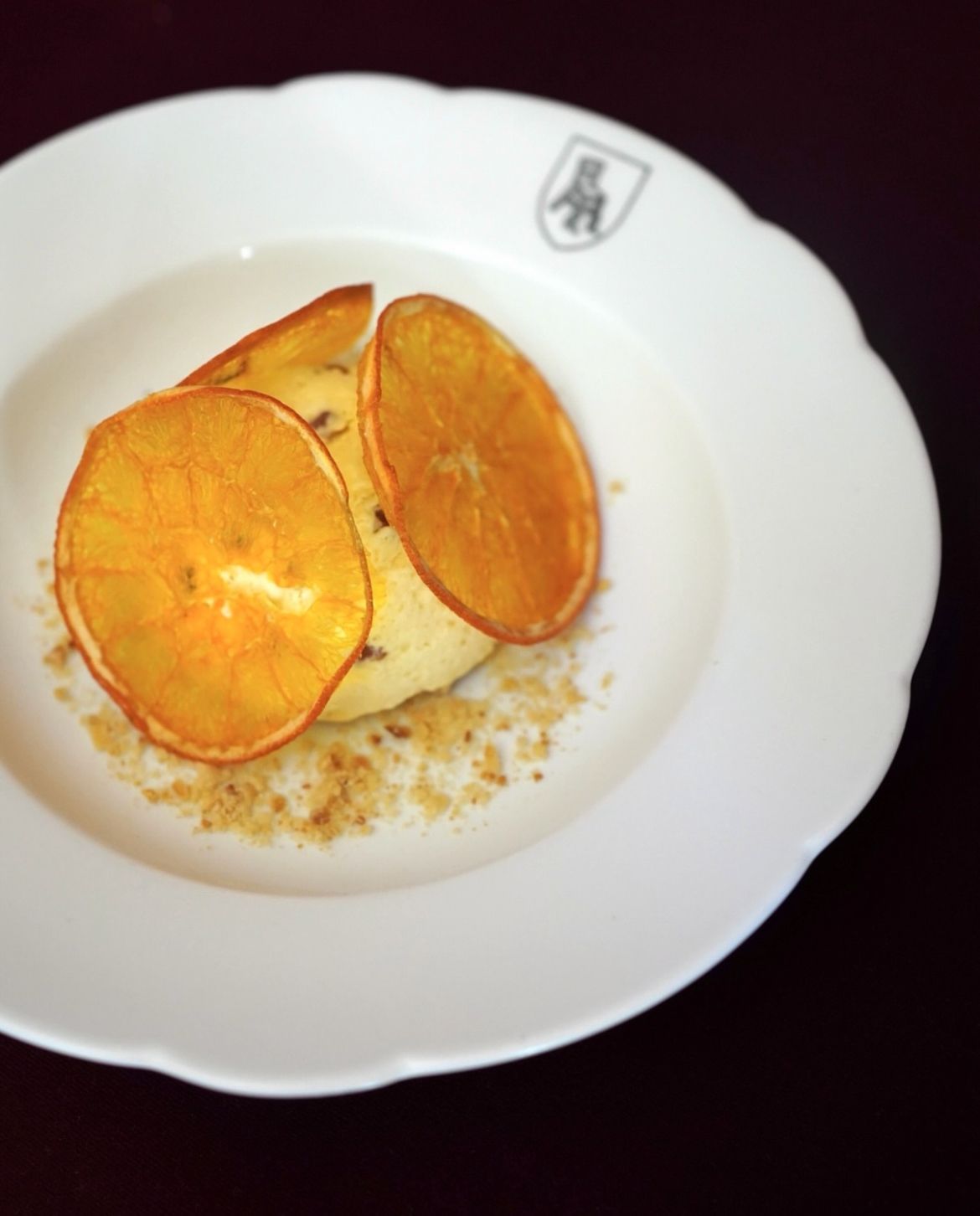
Photo: A La Petite Chaise