Butter, shaped
A Venus, a set of chess pieces, a candelabra, a cameo on toast. Food stylists and studios have started treating butter as a material for the table.
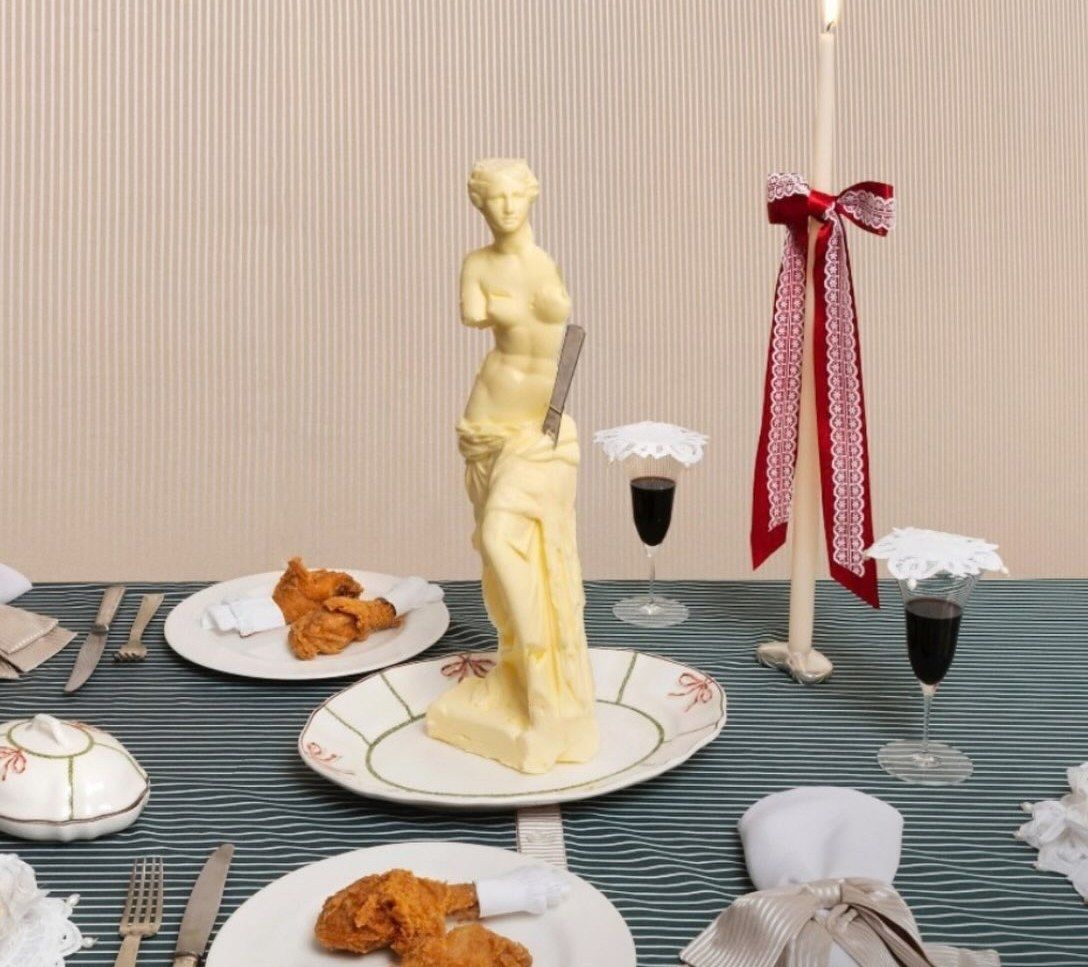
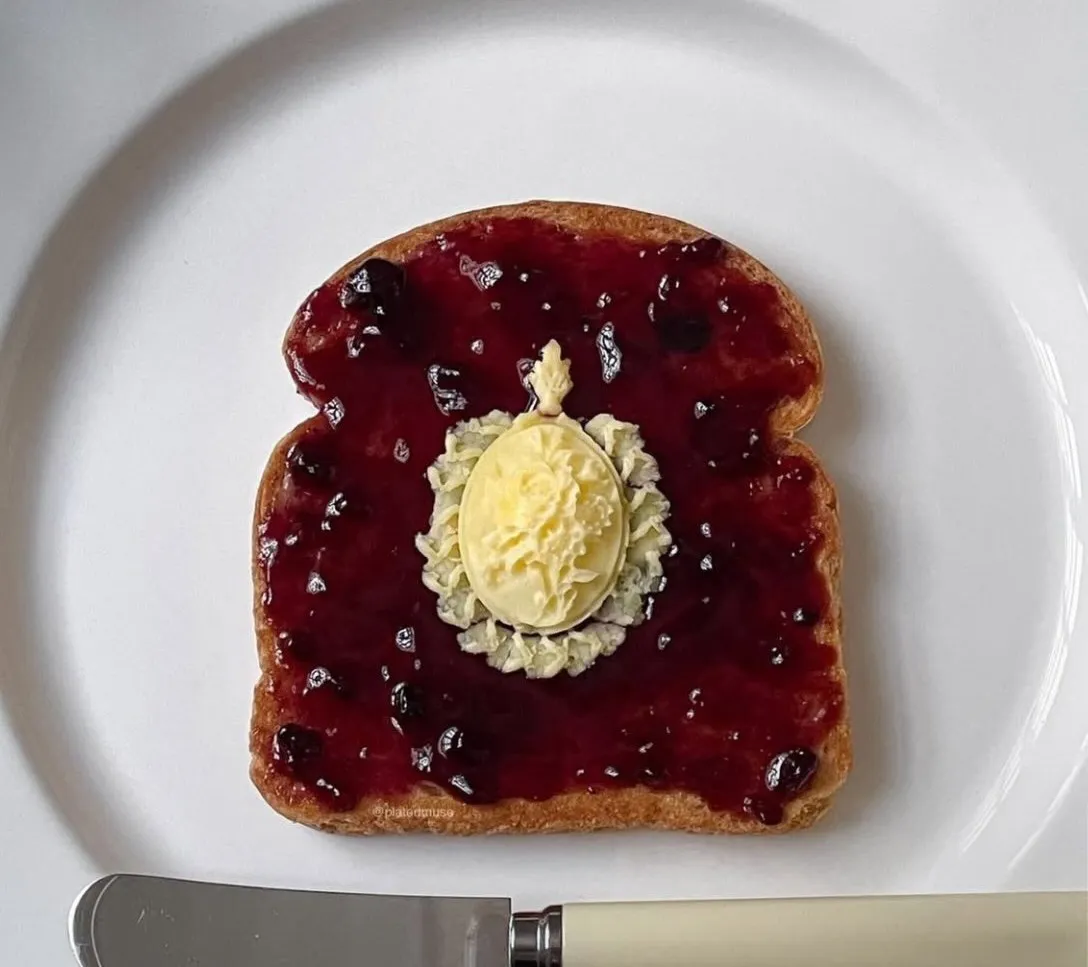
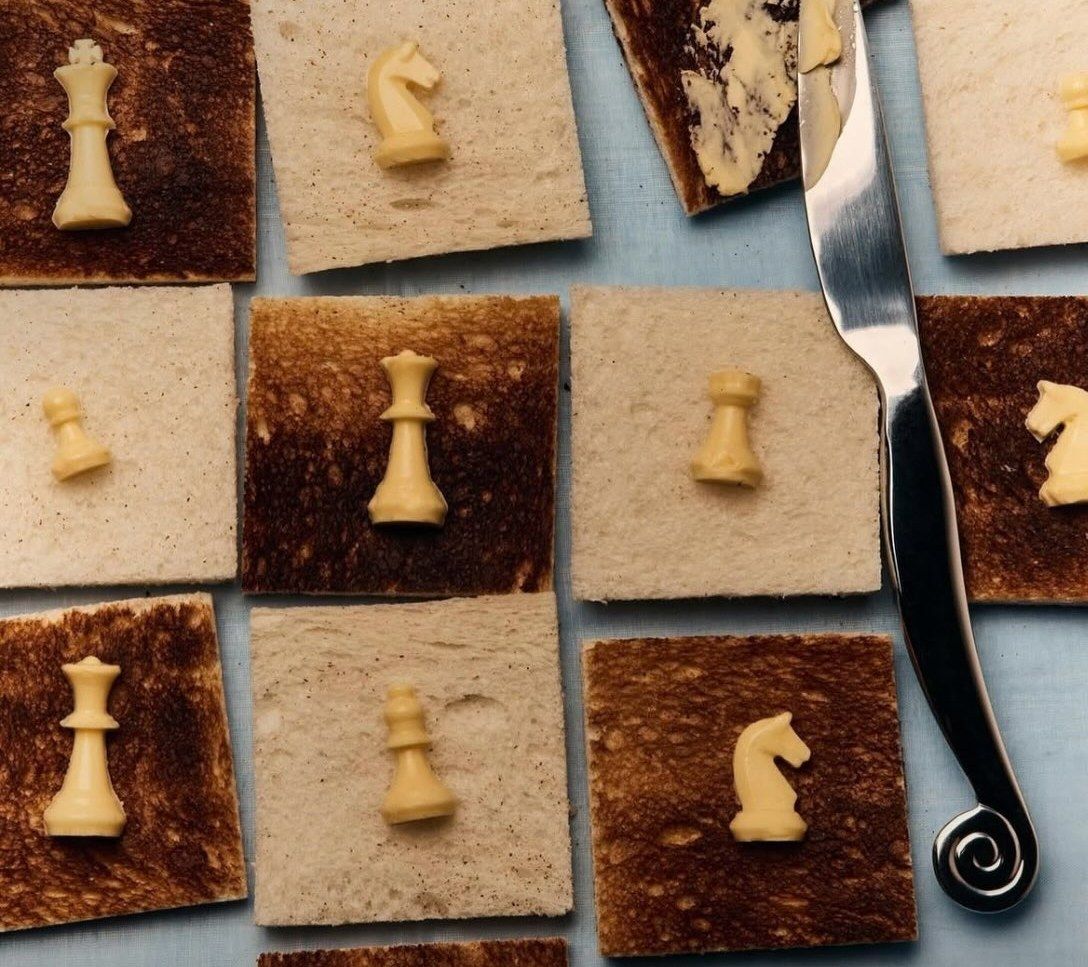
Butter usually reaches the table as a block or a curl. In the images collected here it arrives as a classical Venus, as chess pieces set on squares of toast, as a candelabra piped around three candles, and as a cameo sitting on a slice spread with jam.
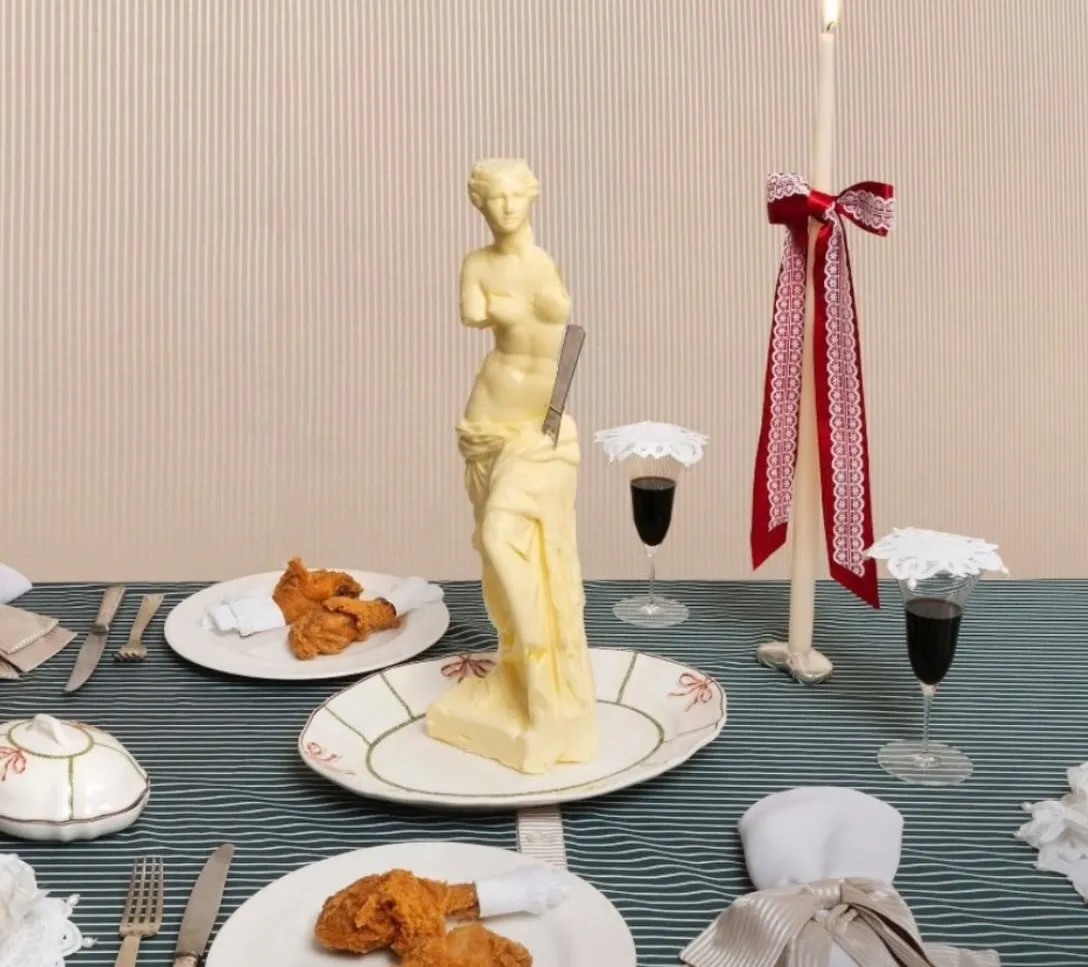
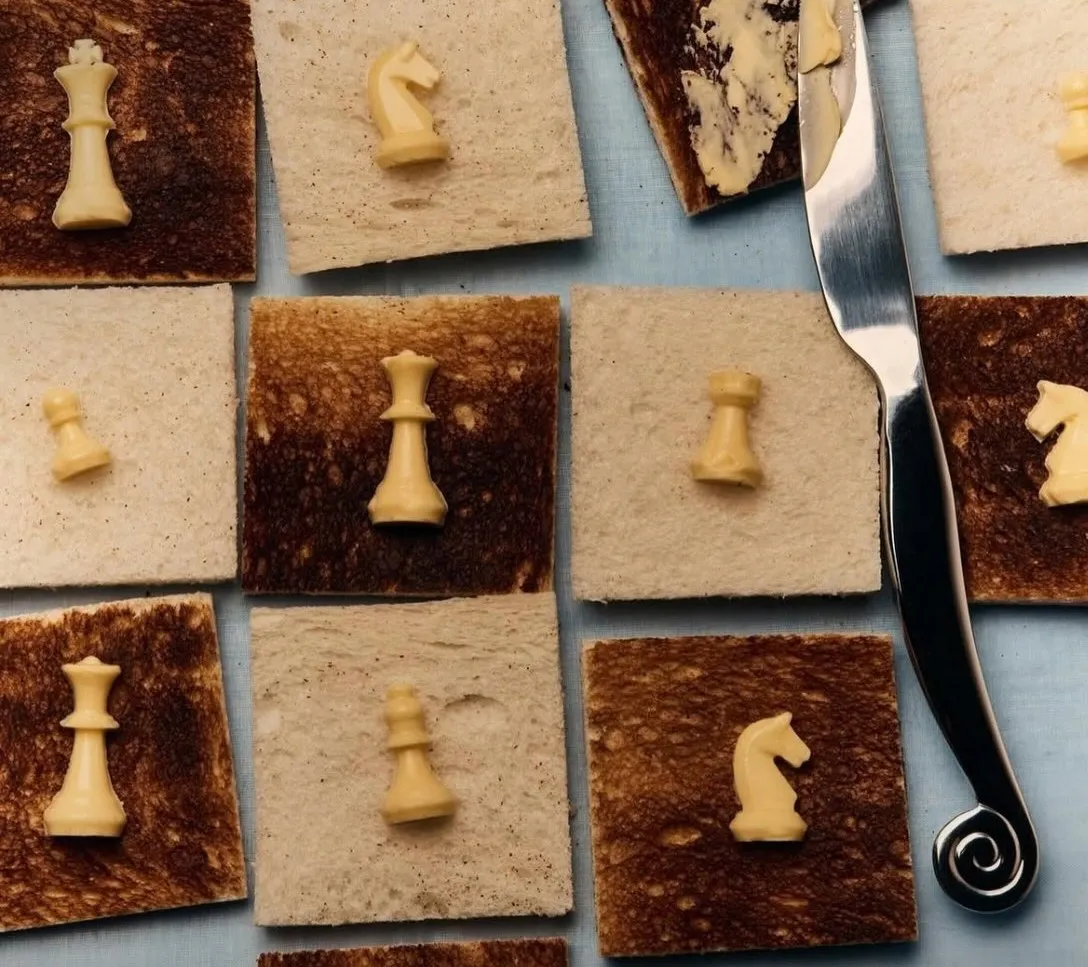
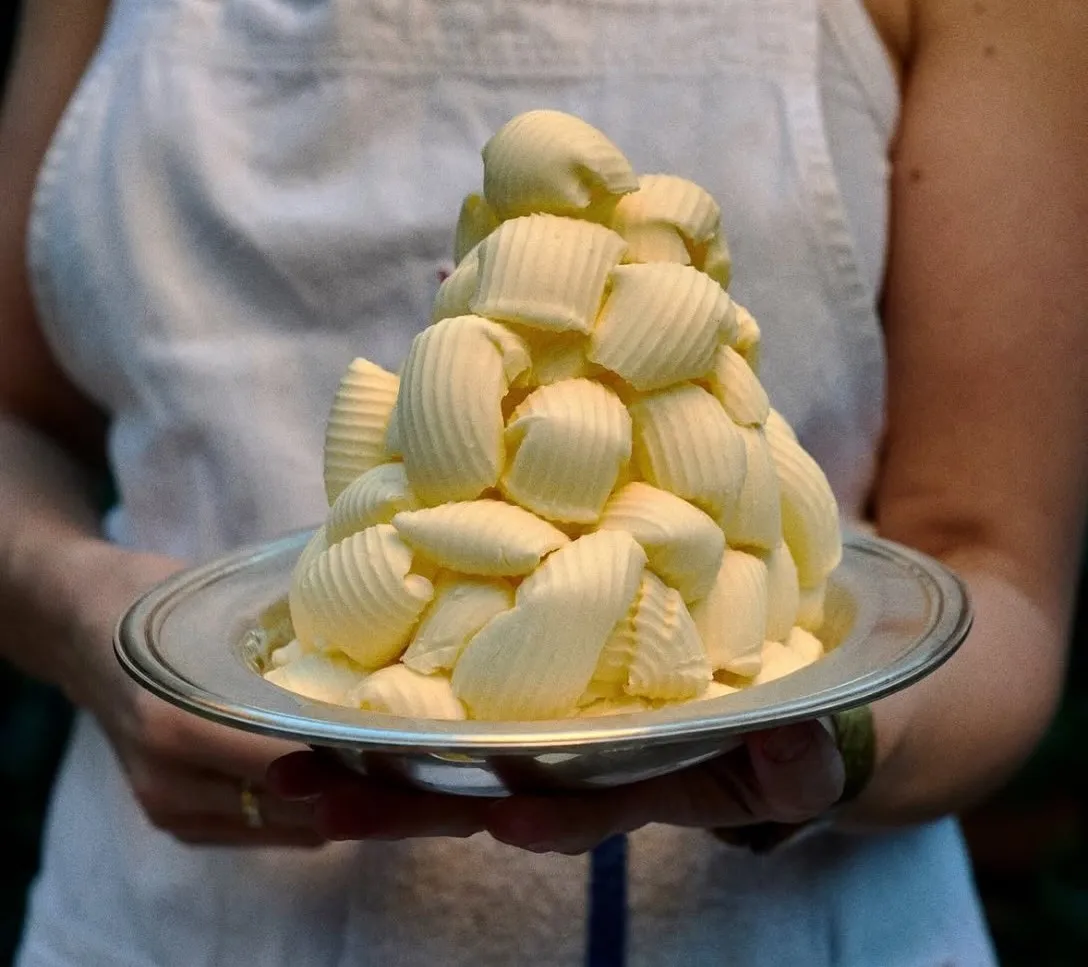
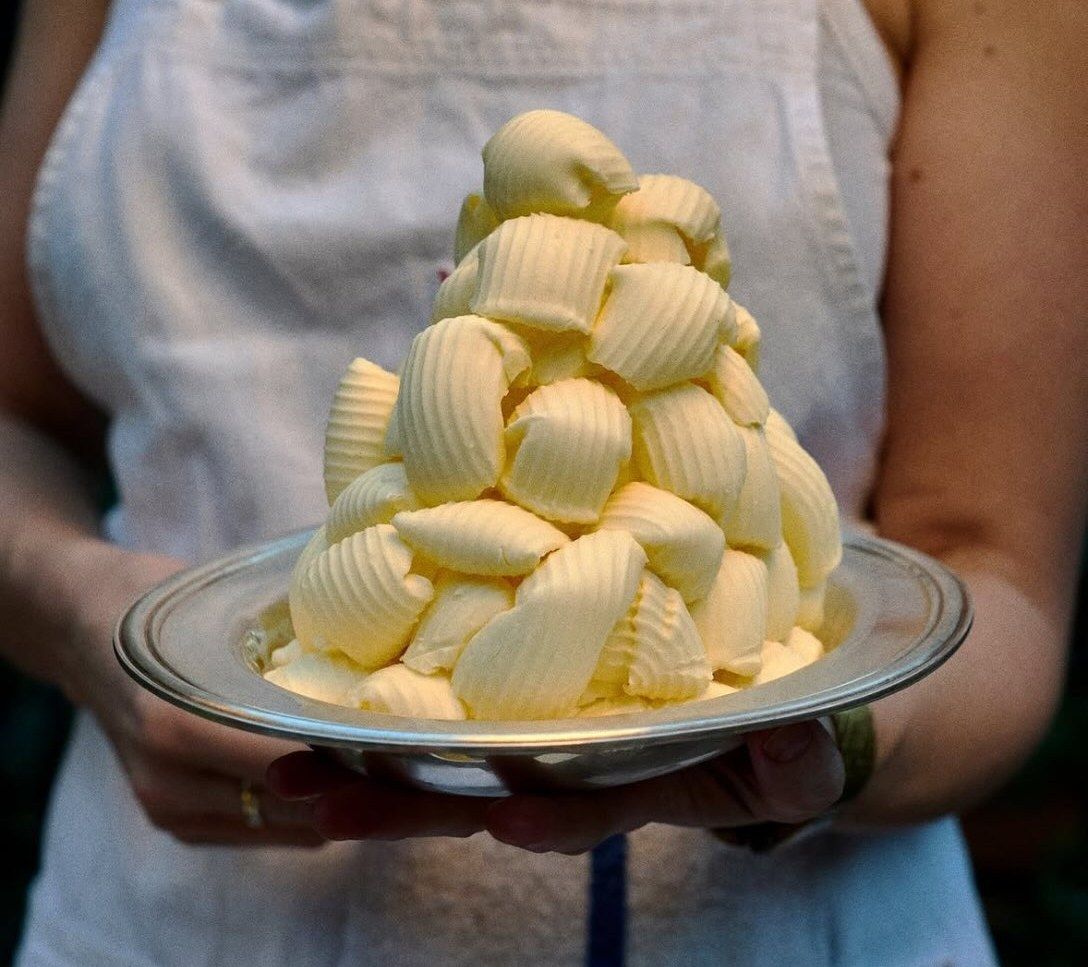
The work comes from food stylists, studios and brands. Gohar World — the tableware label Laila Gohar runs with her sister Nadia — stands a butter Venus at the centre of a laid table, with fried chicken on the plates around her. For Kinfolk, Stephanie Stamatis placed butter chess pieces on toast, some slices pale, some burnt. Carving Block, working with Madewell, piled curls high on a silver plate held at waist height.
Butter is one of the recurring materials in Laila Gohar’s own work; her site gives it a section of its own. What makes it useful is also what limits it. It holds a carved edge when it is cold and gives way at room temperature, so a sculpture lasts about as long as a meal. It is made to be spread, and most of these pieces are served with a knife beside them.
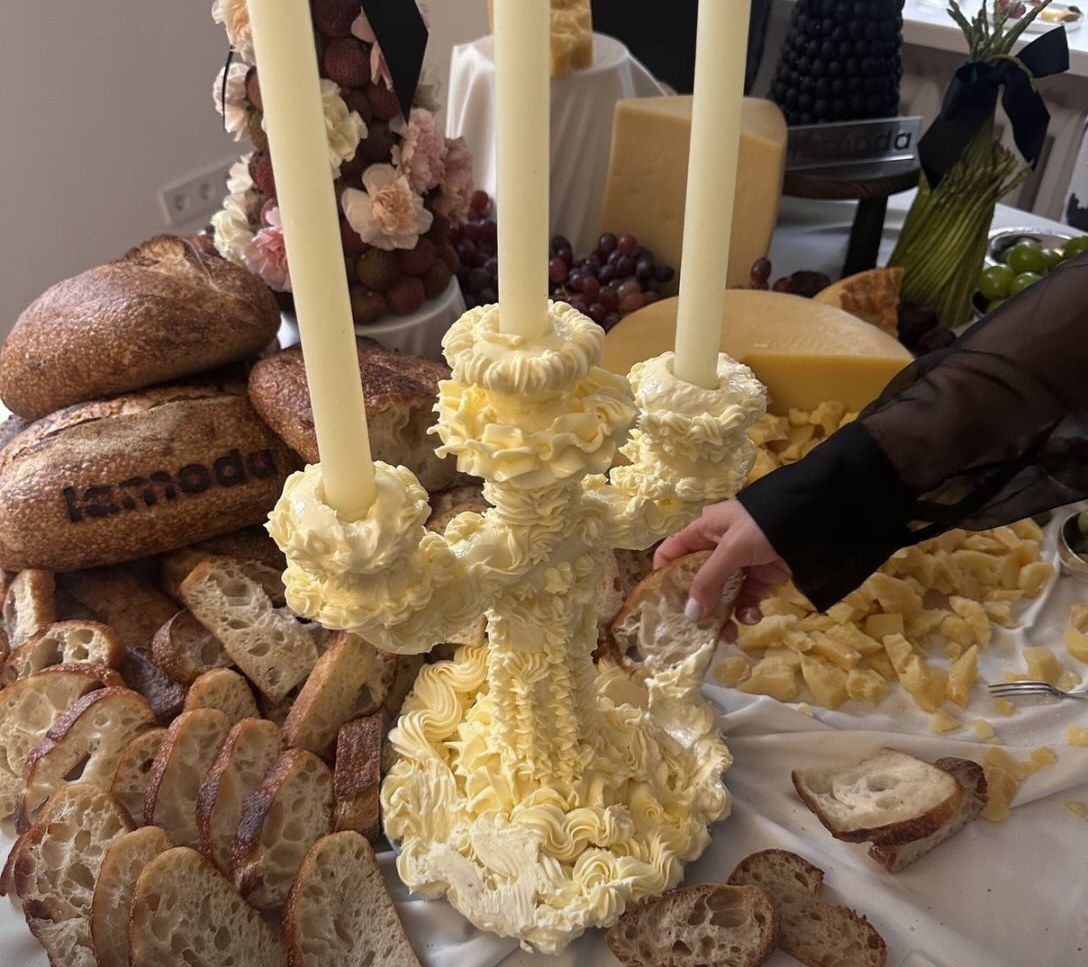
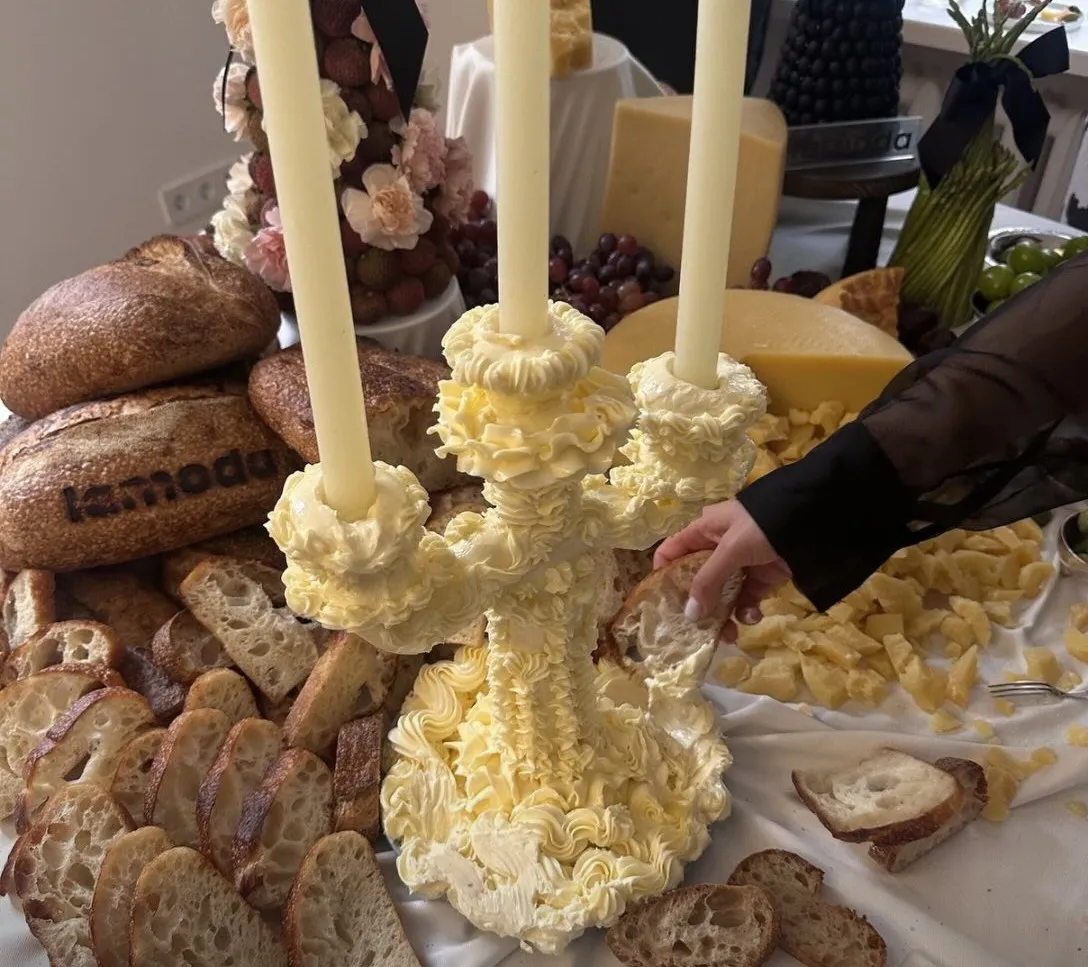
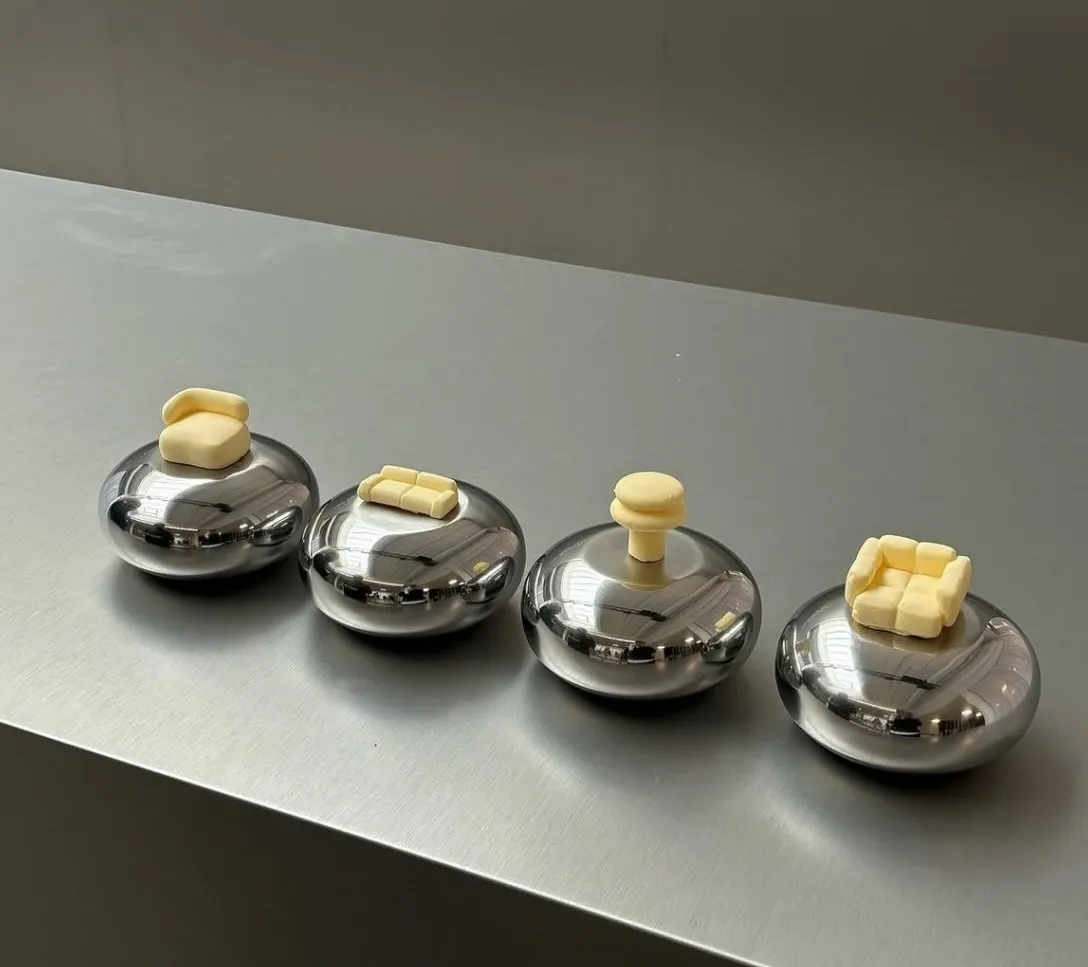
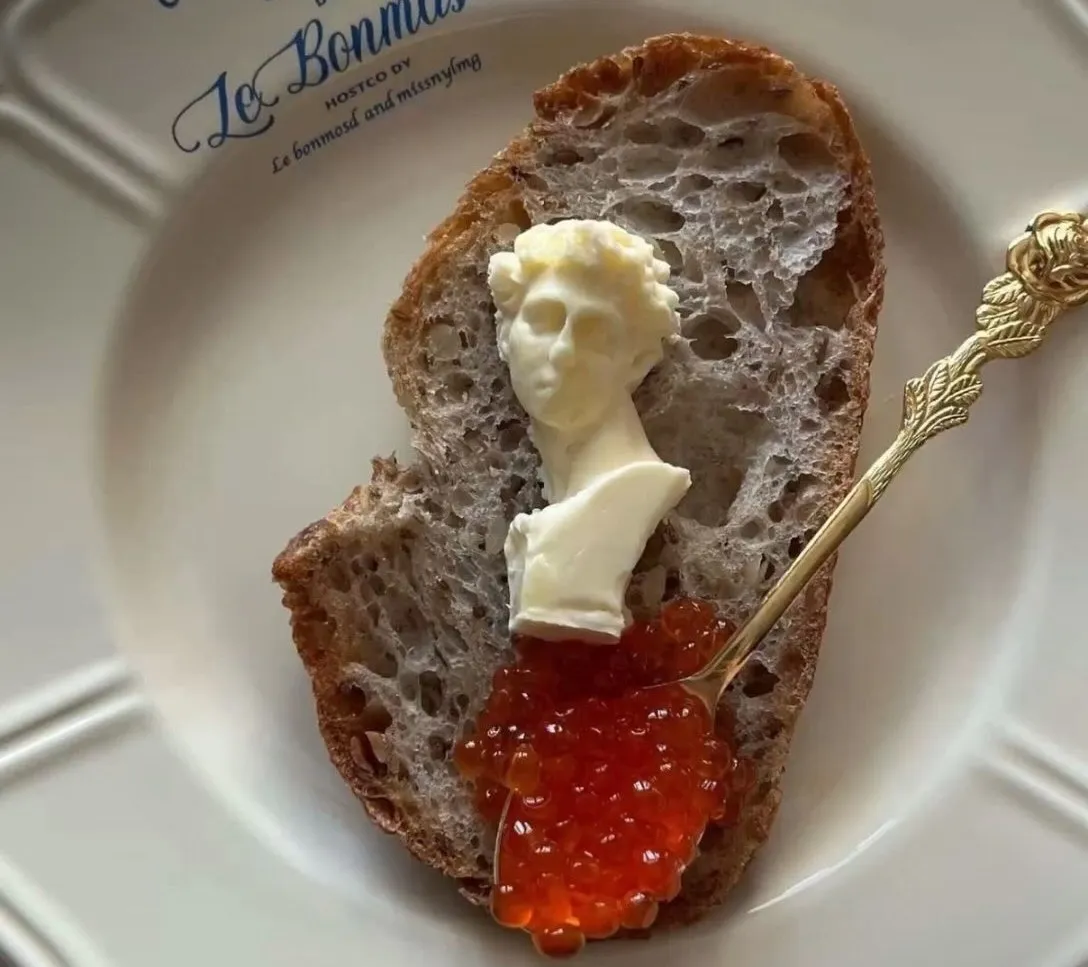
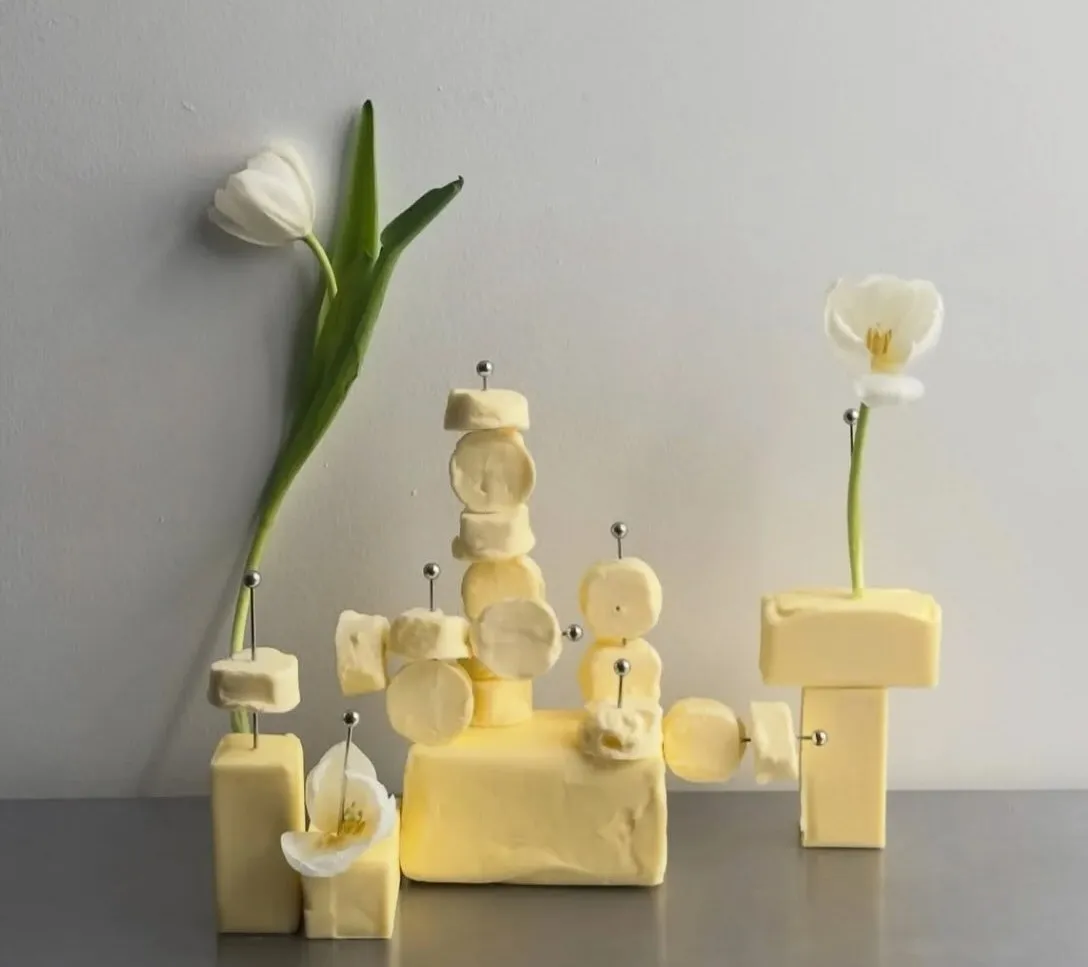
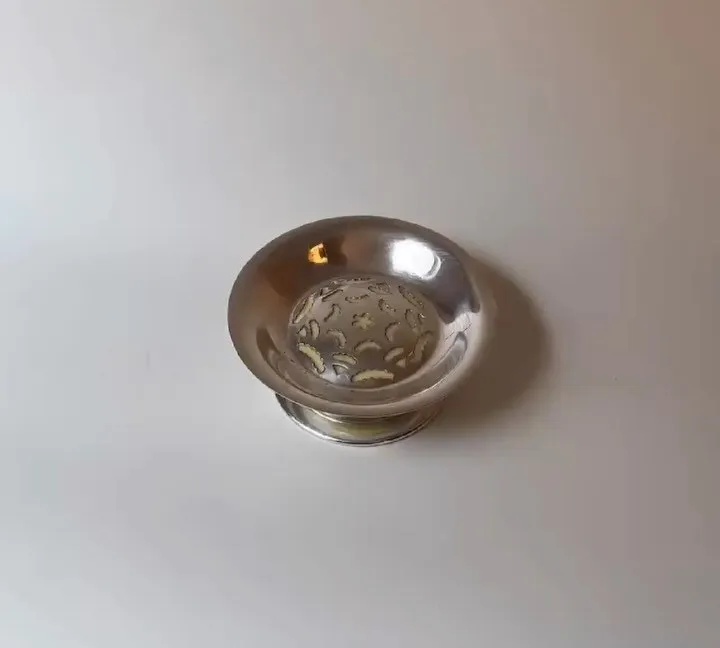
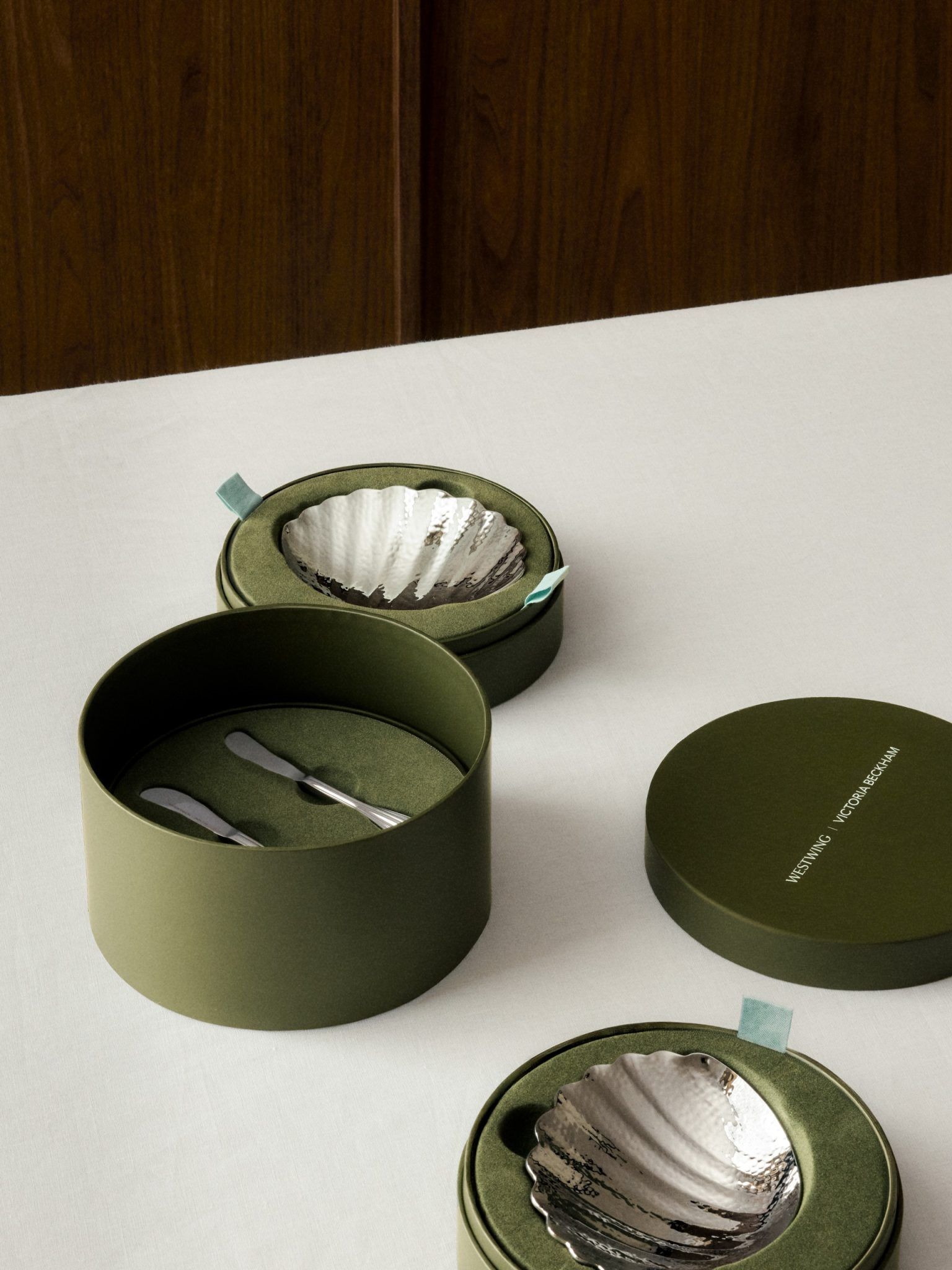
Some are small. Four pats set on steel domes by Soft Serves for Westwing. A bust of butter on bread with salmon roe, by Polina Shevchuk. Little figures of butter standing among tulips, by Woldy Kusina for Areaware. Others are built for a room, like the candelabra of piped butter at an event for Lamoda, set among loaves and cheese.
“A sculpture lasts about as long as a meal.”
The idea is not new. The New York State Fair has shown a butter sculpture every summer for more than half a century, carved from hundreds of kilos. What has changed is the setting and the scale: from the fairground to the dinner table, and from a showpiece to a single serving.
Consider this a gentle invitation. A cold block, a warm knife and a little patience are enough to begin.
In pictures Image 1 of 9
Photo: Gohar World. Photograph credited to Rhea Kern Photo: Stephanie Stamatis for Kinfolk. Photograph credited to Annika Kafcaloudis Photo: Lamoda. Photograph credited to Natali Sushko 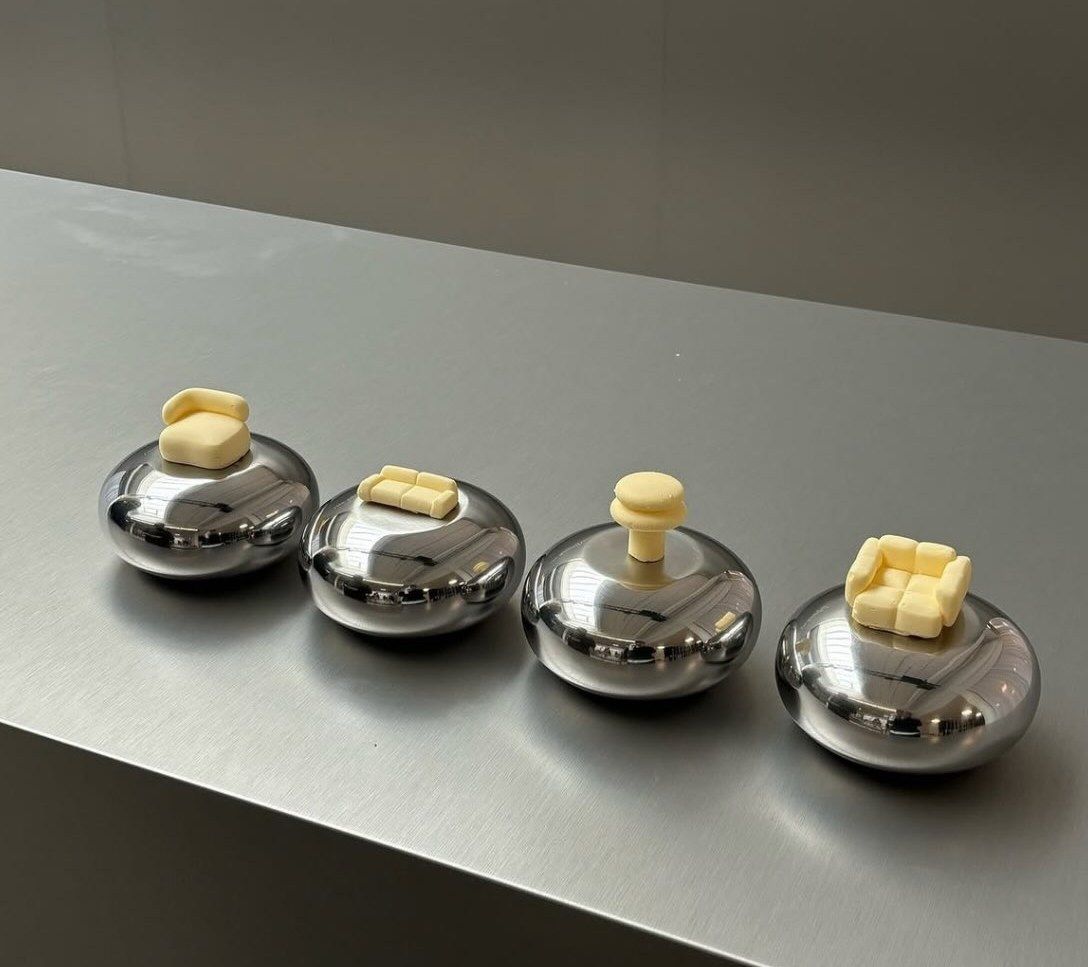
Photo: Soft Serves for Westwing 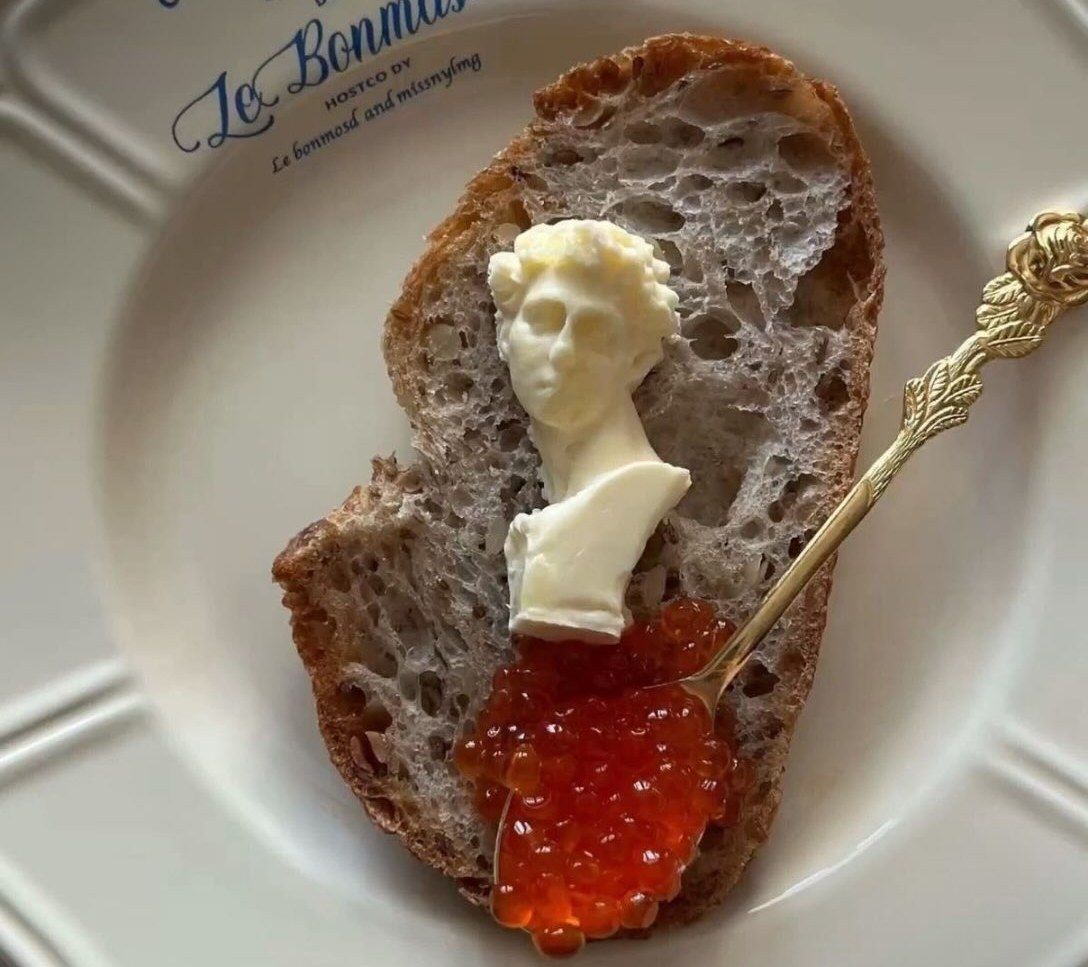
Photo: Polina Shevchuk 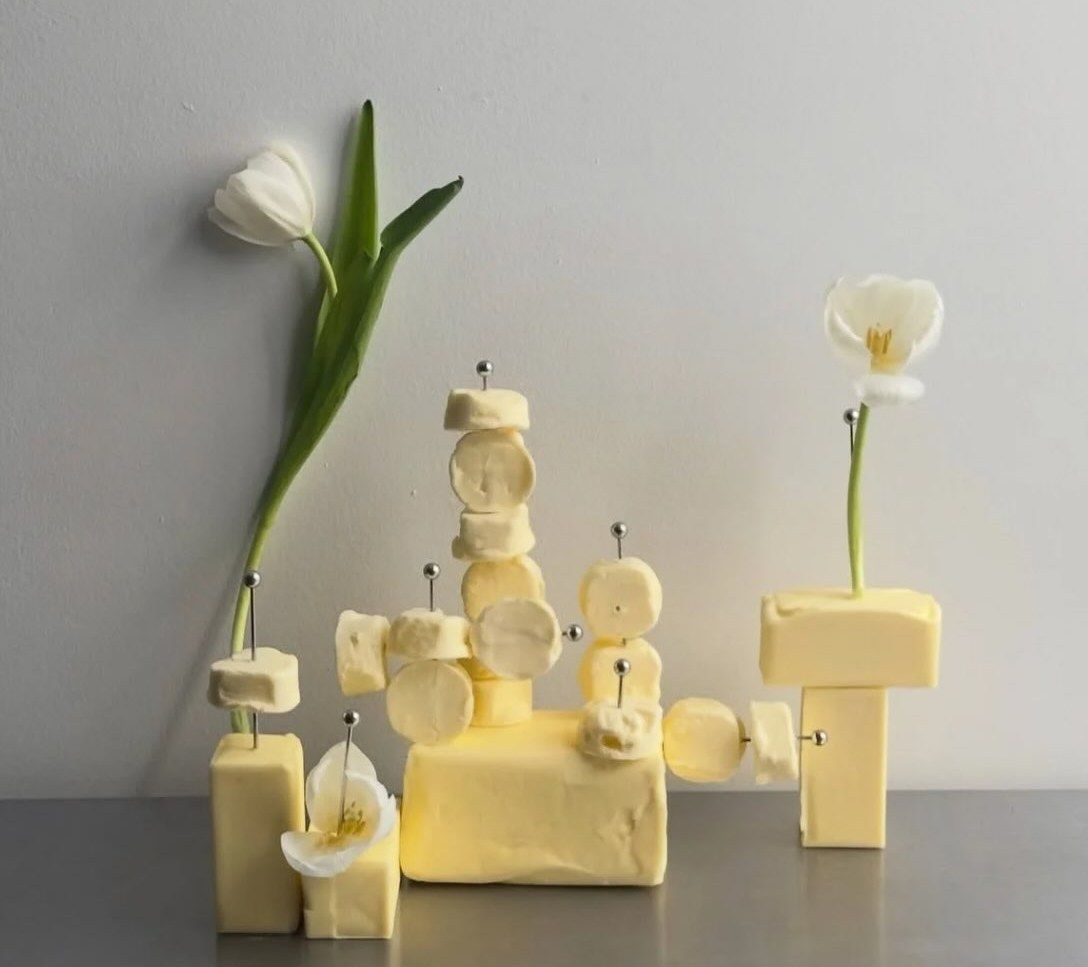
Photo: Woldy Kusina for Areaware Photo: Carving Block for Madewell. Photograph credited to Oscar Mendoza 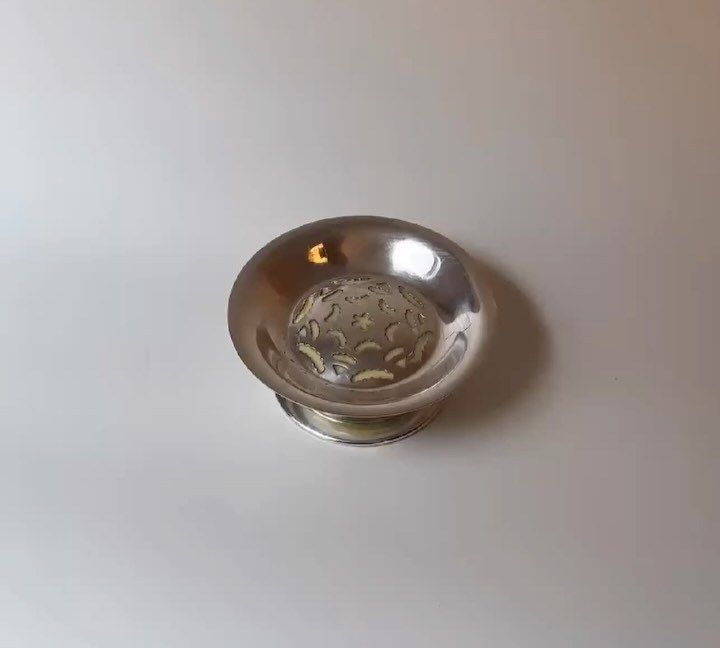
Photo: Gohar World 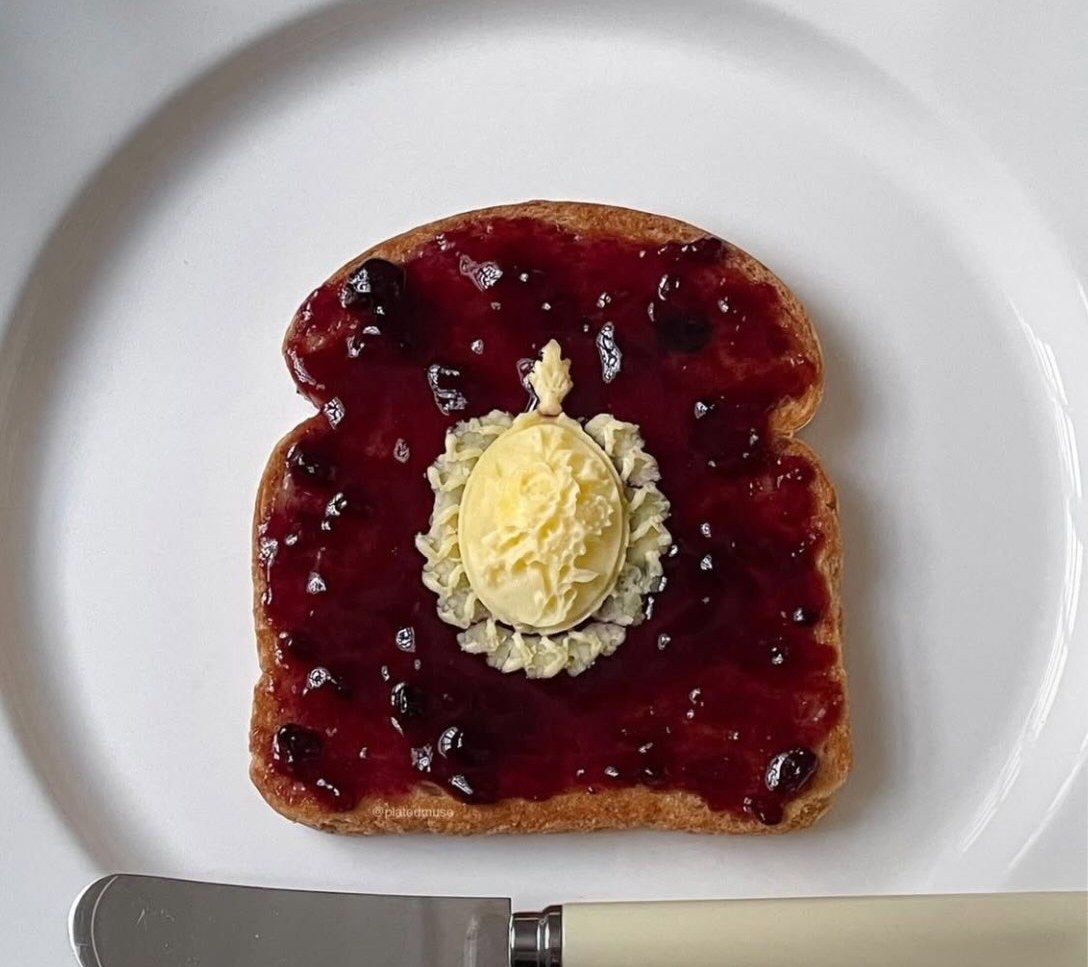
Photo: Plated Muse